ACL Rehabilitation: A Complete Guide to Recovery, Strength and Safe Return to Activity
An anterior cruciate ligament (ACL) injury can be a major setback for anyone who enjoys sports, exercise, or an active lifestyle. Whether an ACL injury happens during football, basketball, running, gym training, or an accidental twist of the knee, proper rehabilitation is essential for restoring strength, stability, confidence, and movement.
ACL rehabilitation is not simply about reducing pain. A well-planned rehabilitation programme aims to restore knee movement, rebuild muscle strength, improve balance and coordination, and gradually prepare the individual to return to everyday activities or sport.
With professional guidance, approaches such as Physiotherapy, Chiropractic, Osteopathic Manipulation, and Dry Needling may be incorporated when appropriate to support overall musculoskeletal rehabilitation.
What Is an ACL Injury?
The anterior cruciate ligament is one of the major ligaments inside the knee. It helps control forward movement of the shinbone and contributes to the stability of the knee during activities involving running, jumping, landing, and changing direction.
An ACL injury can range from a mild sprain to a complete ligament tear. Some injuries occur alongside damage to other knee structures, including the meniscus or cartilage.
Common symptoms can include:
- Sudden knee pain
- Swelling after the injury
- Difficulty putting weight on the affected leg
- Reduced knee movement
- A feeling that the knee is unstable
- Difficulty running, jumping, or changing direction
Anyone experiencing a significant knee injury should receive an appropriate clinical assessment before beginning an exercise programme.
Why Is ACL Rehabilitation Important?
Whether someone has surgery or follows a non-surgical treatment pathway, rehabilitation plays an important role in recovery.
The objective is to gradually restore the physical abilities needed for daily life and, where appropriate, sporting activities. Rehabilitation can help address muscle weakness, stiffness, poor movement patterns, balance problems, and reduced confidence in the injured knee.
Importantly, recovery should not be rushed. Progressing exercises too quickly can place unnecessary stress on the recovering knee. A structured programme allows exercise intensity and complexity to increase according to individual progress.
Stages of ACL Rehabilitation
Every person’s recovery is different, but ACL rehabilitation commonly progresses through several stages.
1. Managing Pain and Swelling
Immediately after an ACL injury or surgery, controlling symptoms and protecting the knee are important priorities.
A physiotherapist may assess swelling, pain, knee movement, walking ability, and muscle activation. Gentle exercises may be introduced to maintain mobility and encourage appropriate muscle function.
The exact approach depends on the injury, treatment pathway, and recommendations from the healthcare team.
2. Restoring Knee Movement
Reduced knee movement is common after an injury or surgery. Regaining comfortable movement is an important part of rehabilitation.
Exercises may initially focus on gradually improving knee extension and flexion. The programme should be carefully adjusted so that exercises challenge the knee without unnecessarily aggravating symptoms.
Consistent rehabilitation is often more beneficial than attempting intensive exercises occasionally.
3. Rebuilding Strength
The muscles surrounding the knee and hip play an important role in lower-limb movement and stability. Following an ACL injury, muscle weakness can develop because of pain, swelling, reduced activity, or surgery.
A rehabilitation programme may gradually introduce exercises such as:
- Quadriceps strengthening
- Hamstring exercises
- Glute strengthening
- Calf strengthening
- Squats and controlled sit-to-stand movements
- Step exercises
- Progressive resistance training
The difficulty and resistance should increase gradually as strength and movement improve.
The Role of Physiotherapy in ACL Rehabilitation
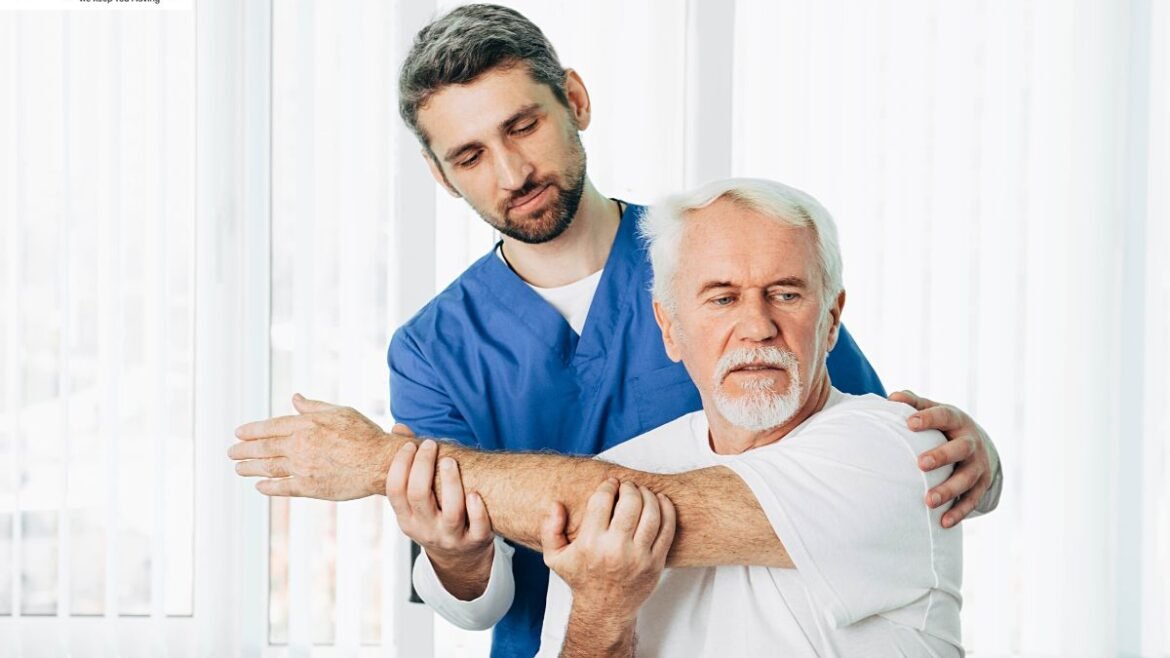
Physiotherapy is one of the key components of ACL rehabilitation. A physiotherapist can assess movement, strength, mobility, balance, and functional limitations before developing an individualised rehabilitation programme.
Rather than focusing only on the injured knee, rehabilitation may consider the entire lower-limb movement system. Hip strength, ankle mobility, trunk control, balance, and movement mechanics can all influence how an individual performs activities.
At Physio 24, a rehabilitation-focused approach can help individuals work progressively towards improved movement and physical function. The goal is not simply to get through exercises, but to build the physical capacity required for the individual’s lifestyle and goals.
Can Dry Needling Be Used During Rehabilitation?
Dry Needling may be considered as an additional treatment technique when muscular tightness or trigger points are contributing to discomfort or movement restrictions.
Dry needling involves the use of fine needles applied to selected muscles or soft tissues. It is different from the strengthening and movement exercises that form the foundation of ACL rehabilitation.
When appropriate, Dry Needling may be used alongside an exercise-based rehabilitation programme rather than replacing it. A qualified professional should determine whether the technique is suitable for the individual.
How Chiropractic Can Complement Rehabilitation
Chiropractic focuses on the assessment and management of musculoskeletal conditions and may involve hands-on techniques intended to improve movement and manage musculoskeletal discomfort.
For someone recovering from an ACL injury, chiropractic care should be considered within the wider rehabilitation picture. The injured knee itself requires appropriate assessment and progressive strengthening, while related areas such as the hip, pelvis, spine, or other joints may also influence movement.
When clinically appropriate, Chiropractic care can be considered as a complementary component of a broader rehabilitation strategy.
Osteopathic Manipulation and ACL Recovery
Osteopathic Manipulation uses hands-on approaches to address musculoskeletal movement and function. Depending on an individual’s presentation, such techniques may be considered for associated movement restrictions or musculoskeletal discomfort.
However, ACL rehabilitation should remain focused on restoring the strength, control, mobility, and functional capacity required by the individual. Manual approaches should complement—not replace—progressive rehabilitation exercises.
Balance, Coordination and Proprioception
An important part of ACL rehabilitation is retraining the body’s ability to control the knee during movement.
Proprioception refers to the body’s awareness of joint position and movement. After an ACL injury, balance and neuromuscular control may be affected.
Rehabilitation may therefore progress from simple balance exercises to more challenging activities, such as:
- Single-leg standing
- Controlled step-downs
- Balance exercises on different surfaces
- Landing technique practice
- Direction-change drills
- Sport-specific movement exercises
These exercises should only become more demanding when the individual has developed sufficient strength and control.
Returning to Sport After an ACL Injury
Returning to sport should be based on rehabilitation progress rather than simply the amount of time that has passed.
Before returning to demanding sporting activities, an individual may need to demonstrate adequate strength, movement control, balance, and confidence. A rehabilitation professional can use appropriate functional assessments to help determine readiness.
The final stage may include sport-specific drills involving running, jumping, landing, acceleration, deceleration, and changes of direction.
Returning gradually is important. Even when the knee feels better, the body may still need additional conditioning before full sporting demands are appropriate.
How Physio 24 Can Support Your Rehabilitation Journey
ACL recovery requires patience, consistency, and professional guidance. At Physio 24, rehabilitation can focus on helping individuals progressively improve movement, strength, stability, and functional ability.
Depending on individual needs and clinical suitability, rehabilitation may incorporate Physiotherapy, Chiropractic, Osteopathic Manipulation, and Dry Needling alongside an appropriate exercise programme.
The right combination of treatments varies from person to person. A professional assessment can help identify the most appropriate rehabilitation strategy based on the individual’s injury, symptoms, goals, and stage of recovery.
Conclusion
ACL rehabilitation is a gradual process that requires more than simply waiting for the knee to heal. Restoring mobility, rebuilding strength, improving balance, developing movement control, and gradually returning to functional or sporting activities are all important parts of recovery.
Physiotherapy generally provides the foundation of an exercise-based rehabilitation programme, while Chiropractic, Osteopathic Manipulation, and Dry Needling may be considered as complementary approaches when clinically appropriate.
With a structured programme and consistent effort, many people can progressively regain confidence and function following an ACL injury. If you have experienced an ACL injury or are struggling with knee stability after treatment, professional assessment can help you understand the next appropriate step in your rehabilitation journey.