What Is Osteopathic Manipulation? Benefits, Techniques, and How It Supports Better Mobility
Muscle pain, joint stiffness, back discomfort, and restricted movement can affect everyday activities and reduce quality of life. Whether someone experiences discomfort due to poor posture, a sedentary lifestyle, sports injuries, or age-related changes, finding an appropriate treatment approach is important for maintaining physical health.
One treatment approach that has gained attention in musculoskeletal healthcare is Osteopathic Manipulation. It is a hands-on treatment technique that focuses on improving the movement and function of muscles, joints, and other body structures. Rather than concentrating only on the area where pain occurs, osteopathic practitioners consider how different parts of the body work together.
But what exactly is osteopathic manipulation, how does it work, and who can benefit from it? Let’s explore its techniques, potential benefits, and role in modern physiotherapy.
What Is Osteopathic Manipulation?
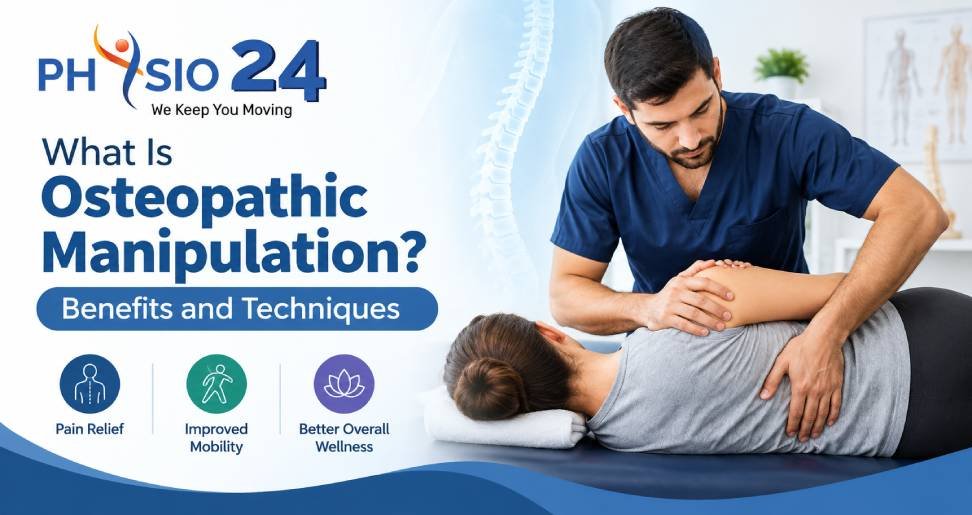
Osteopathic Manipulation, commonly referred to as Osteopathic Manipulative Treatment (OMT), is a hands-on approach used by appropriately trained healthcare professionals to assess and address problems affecting the musculoskeletal system.
It involves applying controlled physical techniques to muscles, joints, connective tissues, and other structures to improve mobility, reduce discomfort, and support normal body function.
The main principle behind osteopathic treatment is that the body’s muscles, bones, joints, and connective tissues work together. When one area becomes restricted or dysfunctional, it may influence movement patterns and place additional stress on other parts of the body.
For example, someone experiencing lower back pain may also have tight hip muscles or restricted pelvic movement. Addressing these contributing factors may help improve overall movement and comfort.
Osteopathic manipulation is often used alongside other conservative treatment approaches, including exercise therapy, rehabilitation, and physiotherapy.
How Does Osteopathic Manipulation Work?
Osteopathic manipulation works through specific hands-on techniques selected according to an individual’s physical condition, symptoms, and movement limitations.
During an assessment, the practitioner evaluates posture, joint mobility, muscle tension, movement patterns, and areas of discomfort.
Based on the findings, appropriate manual techniques may be used to address restricted movement and muscular tension.
The treatment may work by:
- Improving the mobility of restricted joints.
- Reducing excessive muscle tension.
- Supporting better movement coordination.
- Improving flexibility and functional movement.
- Helping patients perform everyday activities more comfortably.
The techniques are generally adapted to the patient’s age, physical condition, comfort level, and treatment goals.
It is important to understand that osteopathic manipulation is not a universal solution for every type of pain. Its suitability depends on the underlying condition and an appropriate clinical assessment.
Common Techniques Used in Osteopathic Manipulation
Osteopathic practitioners may use different manual techniques depending on the patient’s requirements.
Here are some commonly used approaches:
1. Soft Tissue Techniques
Soft tissue techniques involve applying gentle pressure, stretching, and controlled movements to muscles and connective tissues.
These techniques may help reduce muscular tightness, improve flexibility, and support comfortable movement.
They are commonly considered for individuals experiencing muscle stiffness, postural discomfort, and restricted movement.
2. Joint Mobilisation
Joint mobilisation involves applying controlled, gentle movements to joints to improve their range of motion.
It is particularly useful when stiffness or restricted movement affects everyday activities.
For example, individuals experiencing shoulder stiffness or limited neck movement may benefit from appropriately selected joint mobilisation techniques.
3. Myofascial Release
Myofascial release focuses on the fascia, a connective tissue network surrounding muscles and other body structures.
Practitioners use sustained pressure and gentle stretching to address areas of tissue restriction.
This approach may help improve flexibility and reduce discomfort associated with muscular tightness.
4. Muscle Energy Techniques
Muscle energy techniques involve patients gently contracting specific muscles against controlled resistance provided by the practitioner.
These techniques may help improve joint mobility, flexibility, and muscular coordination.
They also encourage active patient participation during treatment.
5. Gentle Stretching Techniques
Controlled stretching may be used to address muscle tightness and improve flexibility.
These techniques are often incorporated into broader rehabilitation programmes to support functional movement and physical comfort.
What Are the Benefits of Osteopathic Manipulation?
When appropriately selected and performed by a qualified professional, osteopathic manipulation may offer several benefits for people experiencing musculoskeletal problems.
1. Helps Manage Back and Neck Discomfort
Back and neck discomfort can develop due to prolonged sitting, poor posture, muscular tension, or repetitive movements.
Osteopathic techniques may help address associated muscle tightness and joint movement restrictions.
Combining manual treatment with strengthening exercises and posture education can support longer-term improvements.
2. Supports Joint Mobility
Joint stiffness can make simple activities such as walking, bending, reaching, and climbing stairs difficult.
Osteopathic manipulation may help improve the movement of affected joints through controlled manual techniques.
3. Improves Flexibility
Tight muscles and restricted connective tissues can limit flexibility.
Soft tissue treatment, myofascial techniques, and stretching may help improve comfortable movement and support daily physical activities.
4. Supports Posture and Movement
Poor posture can contribute to muscular strain and discomfort, particularly among individuals who spend extended periods working at desks.
Osteopathic treatment may help address related movement restrictions. Postural education and strengthening exercises can further support healthier movement habits.
5. Assists Physical Rehabilitation
Osteopathic manipulation may be incorporated into rehabilitation programmes for selected musculoskeletal conditions.
When combined with appropriate exercises, it can help patients work towards improved strength, mobility, and functional independence.
Osteopathic Manipulation vs Chiropractic: What Is the Difference?
Osteopathic Manipulation and Chiropractic are both hands-on approaches that may be used to address musculoskeletal problems. However, they have different professional traditions, training pathways, and treatment philosophies.
Osteopathic Manipulation generally includes a broader range of manual techniques, such as soft tissue treatment, muscle energy techniques, joint mobilisation, and other hands-on approaches.
Chiropractic commonly focuses on the relationship between the spine, joints, and nervous system. Chiropractic care may involve spinal adjustments and other manual techniques.
Both approaches may help selected patients with certain musculoskeletal complaints, but neither is appropriate for every condition.
The most suitable treatment depends on the patient’s symptoms, medical history, clinical assessment, and the qualifications of the treating professional.
Osteopathic Manipulation vs Dry Needling
Although both treatments may be used in musculoskeletal care, Osteopathic Manipulation and Dry Needling involve different treatment methods.
Osteopathic manipulation uses hands-on techniques to address joint restrictions, muscular tension, and movement limitations.
Dry Needling involves inserting thin, sterile needles into selected muscular trigger points or tissues to address specific musculoskeletal symptoms.
Dry Needling may be considered for people experiencing muscle tightness, trigger point discomfort, and certain movement-related problems.
Osteopathic manipulation, on the other hand, uses manual techniques without needles.
A qualified healthcare professional can determine whether either treatment, or a combination of approaches, is appropriate.
Who Can Benefit from Osteopathic Manipulation?
Osteopathic manipulation may be considered for individuals experiencing certain musculoskeletal conditions, including:
- Lower back pain and muscular stiffness.
- Neck pain and restricted neck movement.
- Shoulder discomfort and mobility limitations.
- Muscle tightness and flexibility problems.
- Postural discomfort caused by prolonged sitting.
- Selected sports-related musculoskeletal injuries.
- Joint stiffness affecting everyday activities.
However, patients with fractures, severe osteoporosis, active infections, certain inflammatory conditions, or suspected serious spinal problems may require alternative treatment approaches.
A proper assessment is essential before beginning manual therapy.
The Role of Physiotherapy Alongside Osteopathic Manipulation
Although osteopathic manipulation can help address specific movement restrictions, long-term musculoskeletal health often requires more than hands-on treatment.
Physiotherapy plays an important role in improving strength, flexibility, balance, coordination, and functional movement.
A physiotherapy programme may include:
- Therapeutic exercises to strengthen weakened muscles.
- Stretching to improve flexibility.
- Manual therapy to address joint and soft tissue restrictions.
- Postural correction and ergonomic guidance.
- Balance and coordination exercises.
- Rehabilitation programmes following injuries or surgery.
Combining appropriate manual techniques with active rehabilitation can help patients develop better movement habits and maintain improvements beyond individual treatment sessions.
At Physio 24, patients can explore physiotherapy-based care and treatment approaches designed to address different musculoskeletal and movement-related concerns.
Why Choose Professional Physiotherapy Care?
Selecting the right healthcare professional is important when dealing with persistent pain, stiffness, or movement difficulties.
A professional assessment helps identify possible contributing factors and determine an appropriate treatment plan.
When considering treatment, look for:
- Proper Assessment: Treatment should begin with an evaluation of symptoms, movement, and medical history.
- Qualified Professionals: Ensure the practitioner has appropriate training and qualifications for the techniques being provided.
- Individualised Treatment: Therapy should reflect the patient’s condition, comfort, and recovery goals.
- Exercise-Based Rehabilitation: Treatment should include suitable exercises where necessary.
- Progress Monitoring: Improvements in mobility, pain, and daily activities should be reviewed regularly.
Choosing a patient-focused physiotherapy service can help individuals receive appropriate guidance throughout their recovery journey.
Conclusion
Osteopathic Manipulation is a hands-on treatment approach that focuses on improving musculoskeletal function, joint mobility, and movement. Through techniques such as soft tissue treatment, joint mobilisation, myofascial release, and muscle energy techniques, it may help selected individuals manage discomfort and improve physical mobility.
While Chiropractic, Osteopathic Manipulation, and Dry Needling use different treatment methods, Physiotherapy provides a broader rehabilitation approach that combines manual techniques with exercise and movement education.
The right treatment depends on individual needs, medical history, and professional assessment. If you are experiencing persistent muscle pain, joint stiffness, or restricted movement, consulting a qualified physiotherapy professional can be a helpful first step towards better physical function and mobility.