Make an appointment Make an appointment

Chiropractic

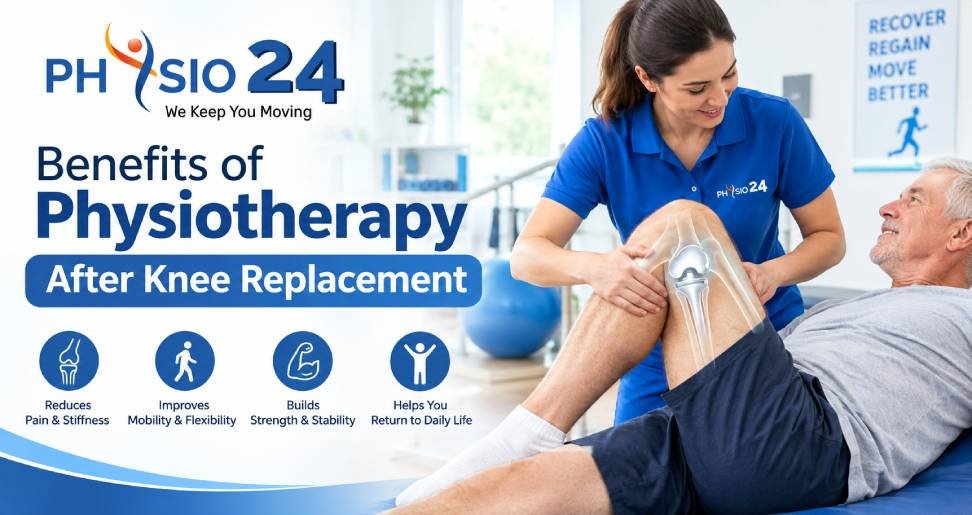
Benefits of Physiotherapy After Knee Replacement
Benefits of Physiotherapy After Knee Replacement 972 515 developer

Benefits of Physiotherapy After Knee Replacement

Knee replacement surgery can be an important step toward improving mobility and reducing long-term knee pain. However, surgery is only one part of the recovery process. What happens after the procedure can have a major impact on how comfortably and confidently a person returns to everyday activities. Physiotherapy after knee replacement plays an important role in helping patients restore movement, rebuild strength, improve balance, and gradually return to their normal routines.

Following a structured rehabilitation program can also help patients understand how to move safely while their knee heals. From simple exercises in the early stages to progressive strengthening and mobility work, physiotherapy provides a planned approach to recovery.

Why Is Physiotherapy Important After Knee Replacement?

After knee replacement surgery, the muscles surrounding the knee may become weak because of reduced activity. Swelling, stiffness, discomfort, and limited range of motion can also make everyday movements challenging.

Physiotherapy focuses on gradually addressing these limitations. A physiotherapist may assess the patient’s movement, strength, flexibility, balance, and functional abilities before developing an appropriate rehabilitation program.

Regular physiotherapy can help with:

  • Improving knee flexibility and range of motion
  • Strengthening muscles around the knee and hip
  • Improving walking ability
  • Supporting balance and coordination
  • Reducing stiffness associated with inactivity
  • Building confidence during everyday movements
  • Gradually returning to functional activities

The rehabilitation plan should always be individualized because recovery can vary depending on the person’s age, overall condition, surgical technique, activity level, and medical advice.

1. Helps Restore Knee Movement

Regaining a comfortable range of motion is one of the important goals after knee replacement. Stiffness can make activities such as sitting down, standing up, walking, and using stairs more difficult.

A physiotherapist can introduce gentle mobility exercises and gradually progress them according to recovery. Consistency is important because controlled movement can help the patient work toward functional mobility without unnecessarily overloading the recovering joint.

Patients should follow the exercise recommendations provided by their healthcare professional rather than trying advanced exercises too soon.

2. Builds Strength Around the Knee

The muscles supporting the knee can become weaker following surgery and periods of reduced activity. Strengthening these muscles is therefore an important part of rehabilitation.

A physiotherapy program may include progressive exercises for the quadriceps, hamstrings, glutes, and other supporting muscles. Stronger muscles can make activities such as walking, standing, and climbing stairs easier.

Strength training generally progresses gradually. The objective is not to exercise as hard as possible but to improve strength safely and consistently.

3. Supports Better Walking

Walking mechanics may temporarily change after knee replacement. Some patients initially rely on walking aids and may develop cautious movement patterns because of discomfort or weakness.

Physiotherapy can help patients practice appropriate walking techniques and gradually improve their confidence. Depending on individual progress, a physiotherapist may provide guidance on using a walker, cane, or other mobility aid before transitioning toward independent walking.

Improving walking ability is especially valuable because it helps patients become more independent in daily life.

4. Helps Improve Balance and Stability

Balance can be affected by muscle weakness, changes in movement patterns, and reduced activity following surgery. Rehabilitation may therefore include exercises designed to improve stability and coordination.

Better balance can make everyday activities more manageable and may help patients feel more confident when moving around the home or outdoors.

5. Encourages a Gradual Return to Daily Activities

Recovery is not simply about being able to bend the knee. The ultimate goal is often to return to meaningful everyday activities.

Physiotherapy can help patients gradually work toward tasks such as:

  • Getting in and out of a chair
  • Walking around the house
  • Using stairs
  • Getting in and out of a vehicle
  • Completing household activities
  • Returning to appropriate recreational activities

The timeline varies from person to person, so rehabilitation should be based on individual progress and the guidance of the surgical and rehabilitation team.

Can Chiropractic, Osteopathic Manipulation, or Dry Needling Be Used?

Patients may encounter different approaches to musculoskeletal care during rehabilitation, including Chiropractic, Osteopathic Manipulation, Dry Needling, and Physiotherapy. However, these approaches are not interchangeable, and not every technique is appropriate immediately after knee replacement.

Physiotherapy is commonly used to guide postoperative movement, strengthening, mobility, and functional rehabilitation.

Chiropractic care may involve hands-on approaches to musculoskeletal problems, but postoperative patients should discuss any proposed treatment with their orthopedic surgeon or rehabilitation professional before receiving treatment.

Osteopathic Manipulation involves hands-on techniques intended to address musculoskeletal function. After joint replacement, any manual technique should be considered carefully and performed only when medically appropriate.

Dry Needling is a technique involving fine needles that may be used for certain muscular problems. It should not be assumed to be appropriate around a recently operated knee. The surgical site, healing stage, medications, and individual medical circumstances must be considered first.

The safest approach is to communicate openly with the healthcare team and make sure all rehabilitation techniques are appropriate for the stage of recovery.

How Long Does Recovery Take?

There is no single recovery timeline that applies to everyone. Some people progress quickly, while others require additional time to regain strength and mobility.

Factors that can influence recovery include:

  • Pre-surgery fitness and mobility
  • Age and general health
  • Muscle strength before surgery
  • Surgical recovery
  • Consistency with rehabilitation
  • Presence of other medical conditions
  • Individual response to exercise

Following the recommended rehabilitation plan and attending scheduled appointments can help patients understand what they should work on at each stage.

Tips for a Successful Physiotherapy Recovery

Patients can support their rehabilitation by following their healthcare team’s recommendations and maintaining consistency.

Helpful habits may include:

  1. Follow your prescribed exercise program. Avoid adding difficult exercises without professional guidance.
  2. Increase activity gradually. More activity is not always better during early recovery.
  3. Use mobility aids correctly. Follow professional instructions about when and how to use them.
  4. Pay attention to symptoms. Report unusual or worsening symptoms to your healthcare provider.
  5. Keep appointments. Progress can be monitored and exercises adjusted as recovery develops.
  6. Maintain realistic expectations. Recovery takes time, and progress may not be identical every day.

Choosing Quality Rehabilitation Support

A well-structured rehabilitation plan can make the recovery process more organized and manageable. Patients should look for qualified healthcare professionals who understand postoperative rehabilitation and can tailor exercises according to individual needs.

Physiotherapy is particularly valuable because it combines assessment, movement training, strengthening, and functional rehabilitation. The right program can help patients progressively rebuild their abilities rather than rushing into demanding activities.

For people who appreciate quality products and practical lifestyle accessories during recovery, Physio 24 offers thoughtfully crafted leather products designed for everyday use. From premium leather wallets to personalized options, the brand focuses on combining practical functionality with timeless design. A well-made wallet can also make a useful gift for someone beginning a new chapter after a major health milestone.

Final Thoughts

Physiotherapy after knee replacement is an important part of the journey from surgery toward improved mobility and independence. By focusing on flexibility, strength, walking, balance, and functional movement, rehabilitation can help patients progressively rebuild confidence in their knee.

Approaches such as Chiropractic, Osteopathic Manipulation, and Dry Needling may be relevant in specific musculoskeletal situations, but their suitability after knee replacement should always be determined by qualified healthcare professionals and the patient’s surgical recovery plan.

Most importantly, recovery should be gradual and individualized. With appropriate professional guidance, consistent rehabilitation, and patience, many patients can work toward returning to their everyday activities with greater comfort and confidence.
Dry Needling vs Manual Techniques What Is the Difference
Dry Needling vs Manual Techniques: What Is the Difference? 972 515 developer

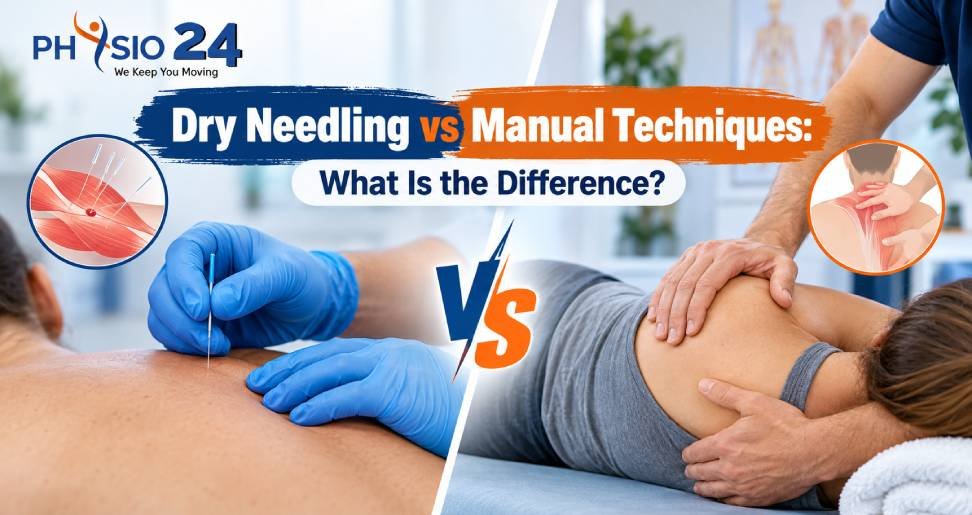
Dry Needling vs Manual Techniques: What Is the Difference?

Muscle pain, stiffness, restricted movement, and sports-related injuries can affect everyday activities and make even simple movements uncomfortable. Physiotherapy offers several approaches to help manage these problems, and two commonly discussed options are Dry Needling and manual techniques. Although both may be used to address musculoskeletal discomfort, they work in different ways and are selected according to a person’s symptoms, movement limitations, and treatment goals.

Understanding the difference between Dry Needling and manual techniques can help patients have more informed conversations with their physiotherapist. It is also useful to understand how these approaches relate to other hands-on methods, including Chiropractic and Osteopathic Manipulation.

What Is Dry Needling?

Dry Needling is a technique in which a trained healthcare professional uses a thin, sterile needle to target specific areas of muscular or soft-tissue dysfunction. Unlike acupuncture, which is traditionally based on traditional Chinese medicine concepts and acupuncture points, Dry Needling is generally used within a modern musculoskeletal assessment and treatment framework.

A physiotherapist may consider Dry Needling when muscle tightness, trigger points, or certain movement-related problems are contributing to a patient’s symptoms. The needle is inserted into selected tissues based on the individual’s assessment.

The goal may include reducing muscle tension, improving local movement, and supporting rehabilitation. Dry Needling is not appropriate for every person or every condition, so an appropriate clinical assessment should come before treatment.

What Are Manual Techniques?

Manual techniques involve hands-on treatment performed by a trained healthcare professional. Depending on the technique and the patient’s condition, treatment may involve soft-tissue work, joint mobilization, stretching, or other controlled movements.

Manual therapy can be incorporated into a broader Physiotherapy program to address stiffness, reduced mobility, muscular tension, and movement limitations. Rather than using needles, the therapist uses their hands or, in some cases, carefully controlled mechanical forces to work with muscles, joints, and surrounding tissues.

Manual techniques are often combined with therapeutic exercises. This combination can help patients work on both immediate movement limitations and longer-term strength, flexibility, coordination, and function.

Dry Needling vs Manual Techniques: The Main Difference

The clearest difference is the method used to influence the affected tissues.

Dry Needling uses a fine needle, while manual techniques use hands-on contact and controlled movement. However, the difference is not simply about needles versus hands. The assessment, clinical reasoning, treatment goals, and patient’s response are also important.

For example, a physiotherapist may use Dry Needling as one part of treatment when muscular trigger points or localized muscle tension are relevant to the patient’s presentation. In another situation, manual techniques may be selected to address joint stiffness or soft-tissue restrictions.

Neither approach should automatically be considered suitable for every type of pain. Treatment should be based on an individual’s assessment rather than simply choosing the technique that sounds more advanced or intensive.

How Physiotherapy Uses These Techniques

Modern Physiotherapy generally focuses on restoring movement and helping people participate in daily activities, work, exercise, or sport. Depending on the condition, a physiotherapist may use several components during rehabilitation.

These can include:

  • Exercise therapy
  • Movement retraining
  • Strength and conditioning
  • Education about pain and movement
  • Manual techniques
  • Mobility exercises
  • Dry Needling when clinically appropriate

This means Dry Needling and manual therapy are not necessarily competing treatment systems. They can sometimes be used alongside exercise and other rehabilitation strategies.

For example, someone experiencing muscular tightness may receive a combination of hands-on treatment, targeted exercises, movement education, and gradual strengthening. The exact combination depends on the assessment and rehabilitation goals.

Where Does Chiropractic Fit In?

Chiropractic is another healthcare approach that may include hands-on techniques, particularly those directed toward the musculoskeletal system. Chiropractic care can involve spinal or joint manipulation and other manual approaches depending on the practitioner and the patient’s presentation.

It is important to distinguish Chiropractic from Dry Needling. Dry Needling specifically involves the insertion of fine needles into selected tissues, whereas Chiropractic treatment may involve manual adjustments or other hands-on methods.

There can be some overlap in the broader goal of improving movement and managing musculoskeletal symptoms, but the techniques and professional training involved are different.

What Is Osteopathic Manipulation?

Osteopathic Manipulation refers to hands-on techniques used within osteopathic practice to assess and address certain musculoskeletal dysfunctions. Depending on the practitioner and healthcare system, techniques can include mobilization, manipulation, stretching, and other manual approaches.

Like other hands-on approaches, Osteopathic Manipulation does not use needles in the way Dry Needling does. Its focus can include relationships between body structures, movement, and function.

Patients should understand that the names of manual approaches can vary between countries and healthcare professions. Therefore, asking a practitioner which specific technique they plan to use can provide greater clarity.

Which Technique Is Better?

There is no single technique that is automatically best for everyone. Dry Needling and manual techniques have different applications, and the appropriate choice depends on factors such as the patient’s symptoms, medical history, physical findings, treatment goals, and response to previous care.

A physiotherapist may recommend manual treatment when improving mobility or addressing certain soft-tissue or joint restrictions is appropriate. Dry Needling may be considered when particular muscular findings make it a reasonable part of the rehabilitation plan.

In many cases, treatment does not depend on one technique alone. Exercise and active rehabilitation remain important components of many physiotherapy programs because patients need to develop the strength, mobility, control, and confidence required for everyday activities.

What Should You Expect During Treatment?

Before treatment begins, a qualified practitioner should assess your symptoms and movement. They may ask about your medical history, pain, previous injuries, activities, and goals.

If Dry Needling is considered, the practitioner should explain the procedure and discuss relevant precautions. Some people may experience temporary soreness or sensitivity afterward.

With manual techniques, patients may experience pressure, stretching, or movement of a joint or soft tissue. The response can vary depending on the technique used and the individual’s condition.

Patients should communicate with their practitioner throughout treatment, particularly if something feels unusually painful or uncomfortable.

Choosing the Right Approach for Your Needs

The most useful question is often not “Which technique is better?” but rather “Which approach is appropriate for my condition and rehabilitation goals?”

A qualified physiotherapist can assess your movement and determine whether manual techniques, Dry Needling, exercise therapy, or a combination of approaches may be appropriate. Other healthcare professionals, including Chiropractic or osteopathic practitioners, may also use different hands-on approaches depending on their professional scope and training.

The objective should be a treatment plan that is appropriate, clearly explained, and focused on improving function rather than relying on a single technique.

Final Thoughts

Dry Needling and manual techniques are distinct approaches that may be incorporated into musculoskeletal rehabilitation. Dry Needling uses fine needles to target selected tissues, while manual techniques use hands-on methods such as mobilization, soft-tissue techniques, and controlled movements.

Physiotherapy can combine these approaches with exercise, education, and movement rehabilitation when clinically appropriate. Chiropractic and Osteopathic Manipulation are additional hands-on approaches with their own techniques and professional frameworks.

If you are experiencing persistent pain, stiffness, or movement difficulties, an appropriate assessment can help identify potential contributing factors and determine which rehabilitation strategies may be suitable for you. Rather than choosing a treatment based solely on its name, discuss your symptoms and goals with a qualified healthcare professional so that your treatment can be tailored to your individual needs.

When should you consider physiotherapy after surgery
When should you consider physiotherapy after surgery? 972 516 developer

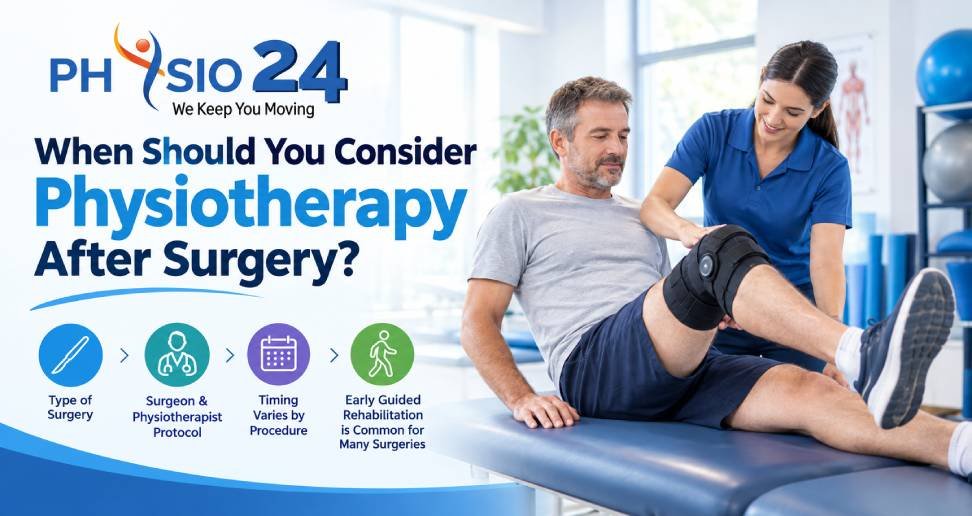
When should you consider physiotherapy after surgery?

Surgery is often an important step toward treating an injury, medical condition, or movement problem, but the operation itself is only one part of the recovery process. After surgery, the body needs time, appropriate movement, and a structured rehabilitation plan to restore strength and function. This is where physiotherapy can become an important part of recovery.

So, when should you consider physiotherapy after surgery? The answer depends on the type of surgery, your overall health, the surgeon’s instructions, and your current mobility. For some procedures, physiotherapy begins while you are still in the hospital. For others, outpatient rehabilitation may start after the wound has sufficiently healed or when your surgeon recommends it.

Why Is Physiotherapy Important After Surgery?

Following surgery, it is common to experience weakness, stiffness, reduced mobility, swelling, pain, and difficulty performing everyday activities. Spending too much time inactive can also contribute to muscle weakness and reduced physical conditioning.

Physiotherapy provides a structured way to gradually restore movement and physical function. Depending on the procedure, a physiotherapist may work on mobility, flexibility, strength, balance, coordination, walking ability, and functional activities.

Early movement is often encouraged when medically appropriate. NHS guidance notes that getting out of bed and becoming active as soon as possible after surgery can support recovery, while hospitals may use rehabilitation programmes to help patients return to normal function.

When Should You Start Physiotherapy After Surgery?

There is no universal number of days or weeks that applies to every surgical patient. Your surgeon and rehabilitation team should determine when and how exercises should begin.

In some cases, physiotherapy starts within the hospital shortly after surgery. A physiotherapist may help you get out of bed, transfer safely to a chair, walk with appropriate support, perform breathing exercises, or learn movements that are safe for your particular procedure.

For other surgeries, formal outpatient physiotherapy may begin after discharge. The rehabilitation programme will usually follow a protocol developed around the type of operation and may be adjusted according to your individual progress.

Therefore, rather than waiting for pain to disappear completely, discuss rehabilitation with your surgeon or physiotherapist early in the recovery process.

Signs That You May Benefit From Physiotherapy

You may want to consider professional physiotherapy assessment if you experience:

  • Persistent stiffness around the operated area
  • Difficulty walking or moving normally
  • Muscle weakness following a period of reduced activity
  • Difficulty climbing stairs or performing everyday tasks
  • Reduced flexibility or range of motion
  • Problems with balance or coordination
  • Ongoing difficulty returning to work or exercise
  • Reduced confidence when using the affected body part
  • Difficulty returning to sports or other physical activities

A physiotherapist can assess your current functional abilities and create a progressive rehabilitation programme rather than expecting you to resume normal activity immediately.

Physiotherapy Can Begin With Simple Movement

Post-surgical physiotherapy does not necessarily mean intensive exercise. In the early stages, treatment may involve relatively simple activities appropriate to your condition.

These can include gentle range-of-motion exercises, circulation exercises, breathing exercises, bed mobility, supported walking, transfers, and basic muscle activation. As recovery progresses, the programme can gradually include strengthening, balance work, functional training, and activity-specific exercises.

For example, hospital physiotherapy services may help patients begin sitting, transferring, walking, and using appropriate walking aids depending on their medical condition.

The objective is to progress safely rather than push through pain or healing restrictions.

What Happens During Post-Surgical Rehabilitation?

Your physiotherapist will typically consider several factors before designing your programme. These may include the type of surgery, surgical precautions, pain levels, swelling, strength, mobility, balance, previous activity levels, and your personal recovery goals.

Early rehabilitation may focus on protecting the surgical area while maintaining safe movement. Later stages can focus on rebuilding strength and restoring functional capacity.

For orthopaedic procedures, rehabilitation may be particularly important because joints, muscles, tendons, or ligaments can become weak or restricted after surgery. Structured rehabilitation protocols are commonly used following procedures such as joint replacements, ligament reconstruction, arthroscopy, and certain tendon repairs.

Physiotherapy After Knee or Orthopaedic Surgery

Knee, hip, shoulder, and other orthopaedic surgeries often require a progressive rehabilitation programme.

For example, following knee surgery, treatment may involve restoring knee movement, improving quadriceps strength, improving walking mechanics, and gradually returning to normal functional activities. The exact exercises and progression depend on the specific operation.

If you have undergone knee replacement surgery, a dedicated Knee Replacement Physiotherapy programme can help address movement, strength, walking, and functional limitations according to your recovery stage.

Similarly, patients recovering from ligament procedures may require structured rehabilitation before returning to demanding physical activities. Physio 24 provides ACL Reconstruction Rehabilitation alongside other rehabilitation services.

Can Manual Therapy Be Used After Surgery?

Depending on the procedure and healing stage, Manual Therapy may sometimes be incorporated into rehabilitation to address appropriate mobility or soft-tissue restrictions.

However, hands-on treatment should never replace the overall rehabilitation plan. The operated area must be protected according to the surgeon’s instructions, and the physiotherapist should determine which techniques are appropriate.

Physio 24 combines rehabilitation with treatment approaches selected according to individual clinical requirements. Its listed services include Manual Therapy, rehabilitation, Dry Needling, therapeutic tapping, and other physiotherapy services.

What About Chiropractic and Osteopathic Manipulation?

Patients sometimes ask whether Chiropractic or Osteopathic Manipulation can be used during recovery after surgery.

These approaches are different from conventional physiotherapy and should not automatically be used simply because someone has pain or stiffness. Following surgery, treatment must take into account the surgical site, healing stage, medical history, and restrictions provided by the surgical team.

When clinically appropriate, Chiropractic and Osteopathic Manipulation may be considered for certain musculoskeletal concerns. Physio 24 lists osteopathic and chiropractic adjustment among its treatment approaches.

The priority after surgery should remain safe healing and progressive restoration of function.

Can Dry Needling Help During Rehabilitation?

Dry Needling may be considered in selected situations when muscular tightness or myofascial symptoms contribute to a patient’s problems. It uses fine needles applied to selected tissues and is different from manual therapy.

It should not be treated as a replacement for active rehabilitation, particularly after surgery. Whether it is suitable depends on the procedure, healing stage, symptoms, and professional assessment.

Physio 24 offers Dry Needling with Electro Therapy as one of its listed treatment options, alongside physiotherapy and rehabilitation services.

Why Choose Physio 24 for Post-Surgical Rehabilitation?

Recovering from surgery requires more than simply waiting for the wound to heal. Restoring movement, strength, balance, and functional ability can be an important part of returning to everyday life.

Physio 24 provides Pre and Post Surgical Rehabilitation as part of its clinical services. The clinic also provides Physiotherapy, Manual Therapy, Dry Needling, Chiropractic and Osteopathic approaches, therapeutic tapping, laser therapy, neurological rehabilitation, and other rehabilitation services.

Its approach allows treatment to be adapted according to the patient’s condition, recovery stage, and functional goals.

When Should You Contact a Professional?

If you are unsure about when to begin physiotherapy after surgery, speak with your surgeon or a qualified physiotherapist. Do not start exercises that conflict with your post-operative restrictions.

You should also seek medical advice if you develop symptoms that are unexpected or worsening, such as significant swelling, increasing pain, wound problems, new weakness, loss of sensation, breathing difficulties, or other concerning symptoms.

Your rehabilitation programme should progress gradually. Some people recover quickly, while others require more time depending on the procedure and their overall health.

Conclusion

So, when should you consider physiotherapy after surgery? In many cases, rehabilitation can begin very early, sometimes while you are still in hospital. However, the exact timing and type of treatment depend on your surgery, healing progress, medical condition, and surgeon’s recommendations.

Physiotherapy can help you gradually restore movement, strength, balance, independence, and confidence. Treatments such as Manual Therapy, Chiropractic, Osteopathic Manipulation, and Dry Needling may have a role for selected patients, but they should complement an appropriately planned rehabilitation programme rather than replace it.

If you are recovering from surgery in Kolkata and need professional rehabilitation support, Physio 24 offers post-surgical physiotherapy and a range of rehabilitation services designed around individual patient needs.

What Is Osteopathic Manipulation
What Is Osteopathic Manipulation? A Complete Guide to Its Benefits and Uses 972 515 developer

What Is Osteopathic Manipulation? A Complete Guide to Its Benefits and Uses

Osteopathic manipulation is a hands-on approach used to assess and manage problems involving the muscles, joints, connective tissues, and movement of the body. It uses carefully applied manual techniques to improve mobility, reduce discomfort, and support the body’s natural ability to function efficiently.

People experiencing back pain, neck stiffness, joint restrictions, muscle tension, or movement difficulties may benefit from an appropriately selected manual therapy approach. At Physio 24, osteopathic manipulation can be considered as part of an individualized physiotherapy and rehabilitation plan, depending on a person’s condition, goals, and clinical assessment.

Understanding what osteopathic manipulation involves—and how it differs from other hands-on approaches such as chiropractic care—can help people make more informed decisions about musculoskeletal treatment.

What Does Osteopathic Manipulation Mean?

Osteopathic manipulation refers to hands-on techniques designed to evaluate and influence the body’s musculoskeletal structures. A practitioner may use controlled movements, stretching, pressure, mobilization, or other manual techniques depending on the individual’s needs.

The underlying concept is that the body’s muscles, joints, connective tissues, and movement patterns work together. When movement becomes restricted or certain tissues become overloaded, it can affect everyday activities and contribute to discomfort.

Treatment is therefore generally tailored to the individual rather than based solely on the location of symptoms.

For example, someone with lower back discomfort may have contributing factors involving hip mobility, muscle tension, posture, or movement habits. A practitioner may assess these areas before deciding which treatment techniques are appropriate.

How Does Osteopathic Manipulation Work?

During an assessment, a qualified practitioner typically considers movement, flexibility, strength, joint function, and the person’s symptoms. Based on these findings, appropriate manual techniques may be incorporated into the treatment plan.

These techniques can include:

  • Gentle joint mobilization
  • Soft-tissue techniques
  • Stretching
  • Controlled joint movements
  • Muscle and connective-tissue techniques
  • Movement-based manual therapy

The objective is not simply to manipulate a particular joint. Instead, treatment may form part of a broader strategy that combines hands-on care with therapeutic exercise, education, posture advice, and functional rehabilitation.

The exact techniques used should depend on the individual’s health status and clinical requirements.

What Conditions May Be Addressed?

Osteopathic manipulation and other forms of manual therapy may be used as part of care for a range of musculoskeletal problems. Depending on the assessment, these approaches may be considered for:

  • Back and neck discomfort
  • Joint stiffness
  • Muscle tightness
  • Reduced range of movement
  • Certain sports-related musculoskeletal problems
  • Movement-related pain
  • Postural and mobility concerns
  • Some rehabilitation programs

However, manual therapy is not appropriate for every condition or every person. A proper assessment is important before treatment begins.

At Physio 24, the focus is on understanding the individual’s symptoms and functional limitations before developing a suitable rehabilitation approach.

Osteopathic Manipulation vs. Chiropractic

Osteopathic manipulation and Chiropractic are both associated with hands-on approaches to musculoskeletal care, but they are not identical.

Chiropractic care traditionally places significant emphasis on the relationship between the spine, joints, nervous system, and musculoskeletal function. Chiropractors may use spinal or joint manipulation alongside other approaches.

Osteopathic manipulation, meanwhile, is a broader term describing manual techniques used within osteopathic practice. Depending on the practitioner and healthcare system, osteopathic approaches can include assessment and treatment of muscles, joints, fascia, and other body structures.

There can be considerable overlap between different manual therapy professions. The techniques and scope of practice can also vary by practitioner, training, and country.

For someone considering treatment, the most important factors include appropriate assessment, professional qualifications, communication, and an individualized treatment plan.

Osteopathic Manipulation and Physiotherapy

Osteopathic manipulation does not necessarily need to be viewed as an alternative to Physiotherapy. Manual techniques can be incorporated into a wider physiotherapy rehabilitation program when clinically appropriate.

Physiotherapy can address several aspects of recovery, including:

  • Mobility
  • Muscle strength
  • Balance
  • Flexibility
  • Coordination
  • Functional movement
  • Exercise capacity
  • Injury prevention

For example, a person recovering from a musculoskeletal injury may receive hands-on treatment to help address mobility restrictions while also performing targeted exercises to rebuild strength and movement control.

This combination can make rehabilitation more functional because the individual learns how to actively participate in their recovery rather than relying exclusively on passive treatment.

How Is Dry Needling Different?

Dry Needling is another treatment approach that may be used by appropriately trained healthcare professionals for selected musculoskeletal problems.

Unlike osteopathic manipulation, which primarily involves hands-on manual techniques, dry needling uses very fine needles inserted into specific tissues. It is commonly discussed in relation to muscular pain and trigger points, although its appropriate applications depend on clinical assessment and practitioner training.

Dry needling and manual therapy may sometimes be included within the same rehabilitation program. However, they are different techniques and should not be treated as interchangeable.

A qualified professional can determine whether either approach is appropriate based on the individual’s symptoms, medical history, examination findings, and treatment objectives.

What Happens During an Osteopathic Manipulation Session?

A session generally begins with an assessment. The practitioner may ask about symptoms, previous injuries, daily activities, and relevant medical history.

Movement and physical function may then be examined. Depending on the findings, the practitioner may use selected manual techniques.

A session may involve:

1. Assessment: Understanding symptoms and identifying movement or functional limitations.

2. Treatment planning: Selecting techniques that are appropriate for the individual’s condition.

3. Manual therapy: Applying controlled hands-on techniques where indicated.

4. Exercise or movement advice: Introducing exercises or activities that support recovery.

5. Progress review: Monitoring changes and adjusting the rehabilitation plan when necessary.

This individualized approach helps ensure that treatment addresses more than just a person’s immediate symptoms.

Is Osteopathic Manipulation Suitable for Everyone?

No single treatment is suitable for everyone. Certain medical conditions, recent injuries, fractures, infections, severe neurological symptoms, or other circumstances may require different management or medical assessment.

People should provide their practitioner with relevant information about existing conditions, medications, previous injuries, surgeries, and current symptoms.

If symptoms include serious or unexplained signs—such as significant weakness, loss of sensation, severe trauma, or other concerning changes—medical evaluation may be more appropriate than simply seeking manual therapy.

Choosing the Right Rehabilitation Approach

The goal of musculoskeletal rehabilitation should be to improve function while addressing the factors contributing to a person’s problem.

At Physio 24, treatment can be tailored around the individual’s presentation rather than applying the same technique to everyone. Depending on clinical requirements, a rehabilitation program may incorporate physiotherapy, Chiropractic approaches, Osteopathic Manipulation, Dry Needling, therapeutic exercises, and other appropriate interventions.

The choice of treatment should always follow a professional assessment.

Why Choose Physio 24?

Finding an appropriate rehabilitation provider is an important step when dealing with persistent pain, restricted movement, or an injury. Physio 24 takes an individualized approach to musculoskeletal care, focusing on assessment, treatment, movement, and rehabilitation.

Rather than relying on one technique, an integrated approach can help address different aspects of physical function. Whether someone needs support following an injury or is experiencing ongoing movement limitations, the treatment plan can be adapted according to their specific requirements.

Final Thoughts

Osteopathic manipulation is a hands-on approach that can be used to address certain musculoskeletal and movement-related problems. It may involve joint mobilization, soft-tissue techniques, stretching, and other manual methods.

It is important to understand that manual therapy works best as part of an appropriate overall care plan when it is clinically indicated. Combining hands-on treatment with exercise, education, and active rehabilitation can provide a more comprehensive approach to improving movement and function.

If you are considering osteopathic manipulation, Physio 24 can help you understand your available physiotherapy and rehabilitation options through an individualized assessment and treatment approach.

Ligament Injury Physiotherapy
Ligament Injury Physiotherapy: Treatment, Recovery and Rehabilitation 972 515 developer

Ligament Injury Physiotherapy: Treatment, Recovery and Rehabilitation

Ligament injuries are common among athletes, active individuals, and even people who experience sudden falls or awkward movements during everyday activities. From a mild sprain to a serious tear, ligament damage can cause pain, swelling, instability, and difficulty moving the affected joint. Without proper rehabilitation, an untreated ligament injury may continue to affect strength and mobility.

Ligament injury physiotherapy can play an important role in reducing symptoms, restoring joint function, improving muscle strength, and helping individuals safely return to their normal activities. A personalised rehabilitation programme can also reduce the risk of future injury.

For people seeking professional rehabilitation support in Kolkata, Physio 24 provides physiotherapy and rehabilitation services designed around individual needs and functional goals.

What Is a Ligament Injury?

Ligaments are strong bands of connective tissue that connect bones and help stabilise joints. They are found throughout the body, including the knee, ankle, shoulder, wrist, and elbow.

A ligament injury occurs when the ligament is stretched beyond its normal range or partially or completely torn. Ligament injuries are commonly classified as:

  • Grade 1: Mild stretching with minimal tissue damage.
  • Grade 2: Partial ligament tearing, often associated with pain, swelling, and reduced stability.
  • Grade 3: Complete ligament rupture, which may cause significant joint instability.

The severity and location of the injury determine the appropriate treatment and rehabilitation approach.

Common Causes of Ligament Injuries

Ligament injuries can occur during sports, exercise, work, or everyday activities. Common causes include:

  • Sudden twisting of a joint
  • Falls or awkward landings
  • Direct impact or collision
  • Rapid changes in direction
  • Sports-related accidents
  • Overstretching of a joint
  • Poor balance or muscle control

Knee ligament injuries, particularly ACL injuries, are frequently associated with sports involving jumping, pivoting, running, and sudden directional changes.

Symptoms of a Ligament Injury

Symptoms vary depending on the ligament involved and the severity of the injury. Common signs include:

  • Pain around the affected joint
  • Swelling or inflammation
  • Bruising
  • Joint stiffness
  • Reduced range of motion
  • Difficulty walking or bearing weight
  • A feeling of instability
  • Weakness around the joint
  • A popping sensation at the time of injury

A significant injury should be professionally assessed rather than diagnosed solely based on symptoms.

How Can Ligament Injury Physiotherapy Help?

The primary goal of physiotherapy is to restore safe and effective movement while gradually rebuilding strength and joint stability. Treatment is generally adjusted according to the injury’s severity, stage of healing, and individual goals.

1. Initial Assessment

A physiotherapist may assess pain, swelling, range of motion, muscle strength, joint stability, movement patterns, and functional limitations.

This assessment helps determine an appropriate rehabilitation plan and whether further medical evaluation or imaging may be necessary.

2. Pain and Swelling Management

During the early stage, treatment may focus on managing pain and swelling while protecting the injured ligament. Depending on the condition, physiotherapy may incorporate appropriate modalities, movement strategies, and education about activity modification.

The aim is to allow healing while avoiding unnecessary stress on the injured tissue.

3. Restoring Joint Mobility

Injury can make a joint stiff and difficult to move. Once appropriate for the stage of healing, carefully selected mobility exercises can help restore the joint’s available range of motion.

Exercises should be progressed gradually rather than forcing painful movement.

4. Strengthening the Supporting Muscles

Muscle weakness is common after ligament injuries because pain and reduced activity can limit normal movement.

A rehabilitation programme may progressively strengthen muscles surrounding the injured joint. For knee ligament injuries, this can include exercises targeting the quadriceps, hamstrings, glutes, and calf muscles.

Improving muscular strength can contribute to better joint control and functional movement.

5. Balance and Proprioception Training

Ligaments contribute to joint stability and proprioception—the body’s awareness of joint position. After an injury, balance and coordination may be affected.

Physiotherapy can introduce progressive balance and proprioceptive exercises to help the individual regain control of the affected joint.

6. Functional and Sport-Specific Rehabilitation

Returning to normal activity should be gradual. For athletes, rehabilitation may eventually include running drills, jumping, landing mechanics, agility exercises, and sport-specific movements.

The objective is not simply to make the joint feel better but to improve strength, control, confidence, and functional capacity before returning to demanding activities.

ACL Injury and Rehabilitation

The anterior cruciate ligament (ACL) is one of the major stabilising ligaments of the knee. ACL injuries can occur during sudden stops, changes in direction, awkward landings, or contact sports.

Some ACL injuries may be managed conservatively, while complete tears in certain active individuals may require surgical reconstruction. Rehabilitation is important in both situations.

For people recovering after surgery, ACL Reconstruction Rehabilitation can help restore mobility, strength, balance, and functional movement through appropriately progressed exercises.

The rehabilitation timeline varies considerably depending on the injury, treatment approach, surgical procedure where applicable, individual recovery, and functional goals.

Manual Therapy, Dry Needling and Other Approaches

A comprehensive rehabilitation programme may sometimes incorporate additional physiotherapy techniques depending on the individual’s presentation.

Manual Therapy may be used where appropriate to address joint or soft-tissue mobility and support movement during rehabilitation.

Dry Needling can sometimes be incorporated to address muscular tightness or related pain as part of a broader treatment programme.

Some patients may also explore Chiropractic or Osteopathic Manipulation for musculoskeletal concerns. These approaches are not substitutes for a structured ligament rehabilitation programme, and their suitability depends on the individual’s condition and clinical assessment.

At Physio 24, these treatment approaches can form part of a broader evidence-informed physiotherapy strategy when clinically appropriate. The clinic provides physiotherapy, manual therapy, osteopathic and chiropractic adjustment, dry needling, therapeutic tapping, and pre- and post-surgical rehabilitation.

When Should You See a Physiotherapist?

Professional assessment is advisable if pain, swelling, instability, or restricted movement persists after an injury.

You should particularly consider assessment if:

  • You cannot put weight on the affected limb.
  • The joint repeatedly gives way.
  • Swelling is significant or persistent.
  • You heard or felt a pop during the injury.
  • Normal movement remains restricted.
  • You are unable to return to everyday activities.
  • You are recovering from ligament surgery.

Severe injuries may require evaluation by a doctor or orthopaedic specialist before or alongside physiotherapy.

Why Choose Physio 24 for Ligament Rehabilitation?

Effective rehabilitation requires more than simply performing exercises. The programme should match the person’s injury, current physical capacity, lifestyle, and recovery objectives.

Physio 24 provides physiotherapy care in Kolkata, including orthopaedic and sports injury rehabilitation. Its clinical services include manual therapy, ACL reconstruction rehabilitation, dry needling, therapeutic tapping, and pre- and post-surgical rehabilitation.

The clinic is located at Bangur Avenue, VIP Road, Kolkata, and also provides home-care services.

Conclusion

Ligament injuries can affect movement, strength, stability, and confidence, but appropriate rehabilitation can support a safe return to everyday activities and sport. Ligament injury physiotherapy focuses on progressive recovery—from managing pain and restoring mobility to rebuilding strength, balance, joint control, and functional capacity.

Whether you are recovering from an ankle sprain, knee ligament injury, or ACL reconstruction, an individualised rehabilitation programme can make an important difference. With professional assessment and consistent rehabilitation, patients can work towards stronger movement and improved confidence in the injured joint.

For individuals looking for physiotherapy and rehabilitation support in Kolkata, Physio 24 offers a range of treatment and rehabilitation services tailored to different musculoskeletal and sports-related conditions.

ACL Rehabilitation
ACL Rehabilitation: A Complete Guide to Recovery, Strength and Safe Return to Activity 972 515 developer

ACL Rehabilitation: A Complete Guide to Recovery, Strength and Safe Return to Activity

An anterior cruciate ligament (ACL) injury can be a major setback for anyone who enjoys sports, exercise, or an active lifestyle. Whether an ACL injury happens during football, basketball, running, gym training, or an accidental twist of the knee, proper rehabilitation is essential for restoring strength, stability, confidence, and movement.

ACL rehabilitation is not simply about reducing pain. A well-planned rehabilitation programme aims to restore knee movement, rebuild muscle strength, improve balance and coordination, and gradually prepare the individual to return to everyday activities or sport.

With professional guidance, approaches such as Physiotherapy, Chiropractic, Osteopathic Manipulation, and Dry Needling may be incorporated when appropriate to support overall musculoskeletal rehabilitation.

What Is an ACL Injury?

The anterior cruciate ligament is one of the major ligaments inside the knee. It helps control forward movement of the shinbone and contributes to the stability of the knee during activities involving running, jumping, landing, and changing direction.

An ACL injury can range from a mild sprain to a complete ligament tear. Some injuries occur alongside damage to other knee structures, including the meniscus or cartilage.

Common symptoms can include:

  • Sudden knee pain
  • Swelling after the injury
  • Difficulty putting weight on the affected leg
  • Reduced knee movement
  • A feeling that the knee is unstable
  • Difficulty running, jumping, or changing direction

Anyone experiencing a significant knee injury should receive an appropriate clinical assessment before beginning an exercise programme.

Why Is ACL Rehabilitation Important?

Whether someone has surgery or follows a non-surgical treatment pathway, rehabilitation plays an important role in recovery.

The objective is to gradually restore the physical abilities needed for daily life and, where appropriate, sporting activities. Rehabilitation can help address muscle weakness, stiffness, poor movement patterns, balance problems, and reduced confidence in the injured knee.

Importantly, recovery should not be rushed. Progressing exercises too quickly can place unnecessary stress on the recovering knee. A structured programme allows exercise intensity and complexity to increase according to individual progress.

Stages of ACL Rehabilitation

Every person’s recovery is different, but ACL rehabilitation commonly progresses through several stages.

1. Managing Pain and Swelling

Immediately after an ACL injury or surgery, controlling symptoms and protecting the knee are important priorities.

A physiotherapist may assess swelling, pain, knee movement, walking ability, and muscle activation. Gentle exercises may be introduced to maintain mobility and encourage appropriate muscle function.

The exact approach depends on the injury, treatment pathway, and recommendations from the healthcare team.

2. Restoring Knee Movement

Reduced knee movement is common after an injury or surgery. Regaining comfortable movement is an important part of rehabilitation.

Exercises may initially focus on gradually improving knee extension and flexion. The programme should be carefully adjusted so that exercises challenge the knee without unnecessarily aggravating symptoms.

Consistent rehabilitation is often more beneficial than attempting intensive exercises occasionally.

3. Rebuilding Strength

The muscles surrounding the knee and hip play an important role in lower-limb movement and stability. Following an ACL injury, muscle weakness can develop because of pain, swelling, reduced activity, or surgery.

A rehabilitation programme may gradually introduce exercises such as:

  • Quadriceps strengthening
  • Hamstring exercises
  • Glute strengthening
  • Calf strengthening
  • Squats and controlled sit-to-stand movements
  • Step exercises
  • Progressive resistance training

The difficulty and resistance should increase gradually as strength and movement improve.

The Role of Physiotherapy in ACL Rehabilitation

Physiotherapy is one of the key components of ACL rehabilitation. A physiotherapist can assess movement, strength, mobility, balance, and functional limitations before developing an individualised rehabilitation programme.

Rather than focusing only on the injured knee, rehabilitation may consider the entire lower-limb movement system. Hip strength, ankle mobility, trunk control, balance, and movement mechanics can all influence how an individual performs activities.

At Physio 24, a rehabilitation-focused approach can help individuals work progressively towards improved movement and physical function. The goal is not simply to get through exercises, but to build the physical capacity required for the individual’s lifestyle and goals.

Can Dry Needling Be Used During Rehabilitation?

Dry Needling may be considered as an additional treatment technique when muscular tightness or trigger points are contributing to discomfort or movement restrictions.

Dry needling involves the use of fine needles applied to selected muscles or soft tissues. It is different from the strengthening and movement exercises that form the foundation of ACL rehabilitation.

When appropriate, Dry Needling may be used alongside an exercise-based rehabilitation programme rather than replacing it. A qualified professional should determine whether the technique is suitable for the individual.

How Chiropractic Can Complement Rehabilitation

Chiropractic focuses on the assessment and management of musculoskeletal conditions and may involve hands-on techniques intended to improve movement and manage musculoskeletal discomfort.

For someone recovering from an ACL injury, chiropractic care should be considered within the wider rehabilitation picture. The injured knee itself requires appropriate assessment and progressive strengthening, while related areas such as the hip, pelvis, spine, or other joints may also influence movement.

When clinically appropriate, Chiropractic care can be considered as a complementary component of a broader rehabilitation strategy.

Osteopathic Manipulation and ACL Recovery

Osteopathic Manipulation uses hands-on approaches to address musculoskeletal movement and function. Depending on an individual’s presentation, such techniques may be considered for associated movement restrictions or musculoskeletal discomfort.

However, ACL rehabilitation should remain focused on restoring the strength, control, mobility, and functional capacity required by the individual. Manual approaches should complement—not replace—progressive rehabilitation exercises.

Balance, Coordination and Proprioception

An important part of ACL rehabilitation is retraining the body’s ability to control the knee during movement.

Proprioception refers to the body’s awareness of joint position and movement. After an ACL injury, balance and neuromuscular control may be affected.

Rehabilitation may therefore progress from simple balance exercises to more challenging activities, such as:

  • Single-leg standing
  • Controlled step-downs
  • Balance exercises on different surfaces
  • Landing technique practice
  • Direction-change drills
  • Sport-specific movement exercises

These exercises should only become more demanding when the individual has developed sufficient strength and control.

Returning to Sport After an ACL Injury

Returning to sport should be based on rehabilitation progress rather than simply the amount of time that has passed.

Before returning to demanding sporting activities, an individual may need to demonstrate adequate strength, movement control, balance, and confidence. A rehabilitation professional can use appropriate functional assessments to help determine readiness.

The final stage may include sport-specific drills involving running, jumping, landing, acceleration, deceleration, and changes of direction.

Returning gradually is important. Even when the knee feels better, the body may still need additional conditioning before full sporting demands are appropriate.

How Physio 24 Can Support Your Rehabilitation Journey

ACL recovery requires patience, consistency, and professional guidance. At Physio 24, rehabilitation can focus on helping individuals progressively improve movement, strength, stability, and functional ability.

Depending on individual needs and clinical suitability, rehabilitation may incorporate Physiotherapy, Chiropractic, Osteopathic Manipulation, and Dry Needling alongside an appropriate exercise programme.

The right combination of treatments varies from person to person. A professional assessment can help identify the most appropriate rehabilitation strategy based on the individual’s injury, symptoms, goals, and stage of recovery.

Conclusion

ACL rehabilitation is a gradual process that requires more than simply waiting for the knee to heal. Restoring mobility, rebuilding strength, improving balance, developing movement control, and gradually returning to functional or sporting activities are all important parts of recovery.

Physiotherapy generally provides the foundation of an exercise-based rehabilitation programme, while Chiropractic, Osteopathic Manipulation, and Dry Needling may be considered as complementary approaches when clinically appropriate.

With a structured programme and consistent effort, many people can progressively regain confidence and function following an ACL injury. If you have experienced an ACL injury or are struggling with knee stability after treatment, professional assessment can help you understand the next appropriate step in your rehabilitation journey.

Arthritis Physiotherapy
Arthritis Physiotherapy: Effective Ways to Manage Pain, Stiffness, and Mobility 972 515 developer

Arthritis Physiotherapy: Effective Ways to Manage Pain, Stiffness, and Mobility

Arthritis can make everyday activities such as walking, climbing stairs, getting out of bed, or even holding objects uncomfortable. While arthritis is often associated with ageing, it can affect people at different stages of life and may significantly impact mobility and quality of life. The good news is that appropriate treatment and regular physical activity can help manage many arthritis-related symptoms.

Arthritis physiotherapy is an important part of conservative care because it focuses on reducing pain, improving joint movement, strengthening supporting muscles, and helping people remain active. At Physio 24, personalised physiotherapy and rehabilitation approaches can help individuals manage musculoskeletal problems while working toward better movement and function.

What Is Arthritis?

Arthritis is a general term used to describe conditions that affect the joints. Osteoarthritis and rheumatoid arthritis are two common forms, although there are many different types.

Osteoarthritis commonly develops when the tissues within a joint gradually change over time. It can affect areas such as the knees, hips, hands, and spine. Rheumatoid arthritis, on the other hand, is an autoimmune condition that can cause inflammation, pain, stiffness, and swelling in multiple joints.

Common symptoms may include:

  • Joint pain
  • Morning stiffness
  • Swelling or tenderness
  • Reduced range of motion
  • Muscle weakness
  • Difficulty walking or performing everyday activities
  • Joint stiffness after periods of inactivity

The severity and symptoms can vary considerably from person to person, which is why an individual assessment is important before starting a treatment programme.

How Can Arthritis Physiotherapy Help?

The primary goal of arthritis physiotherapy is not simply to reduce pain temporarily. A well-designed rehabilitation programme aims to improve physical function and help individuals manage their condition over the long term.

A physiotherapist may assess joint movement, muscle strength, posture, walking patterns, flexibility, balance, and functional limitations before developing a suitable treatment plan.

1. Therapeutic Exercise

Exercise is one of the key components of arthritis rehabilitation. Depending on the affected joints and the individual’s physical ability, a physiotherapist may recommend strengthening, flexibility, mobility, balance, and low-impact cardiovascular exercises.

Strengthening the muscles surrounding an affected joint can provide better support and improve functional movement. Exercises may also help maintain joint mobility and reduce the effects of prolonged inactivity.

At Physio 24, physiotherapy programmes are designed around the individual’s condition, functional requirements, and rehabilitation goals rather than relying on a one-size-fits-all approach.

2. Manual Therapy

Manual therapy may be incorporated into arthritis rehabilitation when appropriate. Techniques can include soft-tissue work, joint mobilisation, and other hands-on approaches designed to improve movement and reduce musculoskeletal discomfort.

Manual therapy is generally used alongside exercise and education rather than as the only component of treatment.

If you are looking for structured Physiotherapy for joint pain, rehabilitation, or mobility problems, Physio 24 provides physiotherapy and rehabilitation services designed to address pain and movement limitations.

Chiropractic Care for Joint and Musculoskeletal Problems

Chiropractic care is another approach that may be considered as part of a broader musculoskeletal management plan. Chiropractic treatment generally focuses on the relationship between the musculoskeletal system and movement, particularly the spine and joints.

For some patients, appropriately selected manual techniques may complement physiotherapy by addressing movement restrictions or associated musculoskeletal discomfort.

However, treatment should always be based on an individual’s condition and clinical assessment. Chiropractic care should not be viewed as a replacement for medical diagnosis or comprehensive arthritis management.

Physio 24 lists osteopathic and chiropractic adjustment among its treatment approaches, allowing appropriate patients to receive a broader range of musculoskeletal care.

Osteopathic Manipulation and Arthritis Management

Osteopathic Manipulation involves hands-on techniques intended to address restrictions in movement and the function of the musculoskeletal system.

For someone experiencing arthritis, treatment may focus on improving mobility around affected or compensating areas. For example, restricted movement in one region can sometimes influence how a person moves other parts of the body.

Osteopathic techniques should be selected according to the patient’s individual presentation. They are most useful when incorporated into an overall rehabilitation strategy that may include exercise, movement education, and lifestyle guidance.

At Physio 24, osteopathic and chiropractic adjustment is included among the clinic’s listed treatment approaches.

Can Dry Needling Help With Arthritis-Related Pain?

Dry Needling is a technique used by appropriately trained practitioners to target specific muscles and trigger points. It may be considered when muscle tightness or myofascial pain contributes to a person’s symptoms.

Arthritis itself is a joint-related condition, so dry needling does not treat the underlying cause of arthritis. Instead, it may be used as part of a broader pain-management and rehabilitation programme when clinically appropriate.

For example, a person with chronic knee discomfort may develop tight or overactive muscles around the joint because of altered movement patterns. Addressing associated muscular problems may help support more comfortable movement and participation in exercise.

Physio 24 identifies Dry Needling as one of its available treatment approaches, alongside physiotherapy and manual therapy.

Why Exercise Matters for Arthritis

People experiencing joint pain sometimes reduce their physical activity because they are worried that movement will make their symptoms worse. However, avoiding movement completely can contribute to muscle weakness, reduced flexibility, and loss of functional capacity.

A physiotherapist can help identify appropriate activities and modify exercises according to pain, mobility, age, fitness level, and medical considerations.

Low-impact activities such as walking, cycling, swimming, mobility exercises, and controlled strengthening may be appropriate for many people, although the right programme depends on the individual’s circumstances.

Consistency is often more important than intensity. Small amounts of appropriate movement performed regularly can be easier to maintain than occasional strenuous exercise.

Lifestyle Tips Alongside Arthritis Physiotherapy

Physiotherapy works best when supported by healthy everyday habits. Depending on individual needs, useful strategies may include:

  • Staying physically active within comfortable limits
  • Following prescribed home exercises
  • Maintaining a healthy body weight where appropriate
  • Taking regular movement breaks during prolonged sitting
  • Using good posture and body mechanics
  • Getting adequate rest and recovery
  • Following medical advice for diagnosed inflammatory arthritis
  • Avoiding activities that consistently aggravate symptoms

If joint pain is persistent, worsening, associated with significant swelling, or accompanied by unexplained symptoms, it is important to seek appropriate medical evaluation.

When Should You Consider Arthritis Physiotherapy?

Consider consulting a physiotherapist if arthritis symptoms are interfering with your normal activities or making movement increasingly difficult.

Professional assessment can be particularly useful when you experience:

  • Persistent joint stiffness
  • Difficulty walking or climbing stairs
  • Reduced joint mobility
  • Weakness around an affected joint
  • Recurring pain during daily activities
  • Difficulty exercising because of joint discomfort
  • Reduced independence due to mobility problems

Early professional guidance can help you understand your movement limitations and establish realistic rehabilitation goals.

Choose a Personalised Approach With Physio 24

Managing arthritis is usually about finding sustainable ways to move better rather than searching for a single treatment that works for everyone. Physio 24 takes a rehabilitation-focused approach that includes physiotherapy and a range of complementary treatment options.

Its listed services include Physiotherapy, Dry Needling, Manual Therapy, Osteopathic and Chiropractic Adjustment, therapeutic tapping, rehabilitation, ergonomic advice, and other specialised care options.

Whether your primary concern is joint stiffness, reduced mobility, muscular weakness, or difficulty performing everyday activities, an appropriate assessment can help determine which combination of treatments and exercises may be suitable for you.

Conclusion

Arthritis physiotherapy can play an important role in helping people manage joint pain, stiffness, weakness, and reduced mobility. Through personalised exercise programmes, manual therapy, movement education, and appropriate complementary techniques, physiotherapy can support better function and help people remain active.

Treatments such as Chiropractic, Osteopathic Manipulation, and Dry Needling may also have a role for selected patients when incorporated into an appropriate rehabilitation plan.

If arthritis is affecting your movement or everyday life, consider speaking with the team at Physio 24 about an individual assessment and rehabilitation programme designed around your needs.