


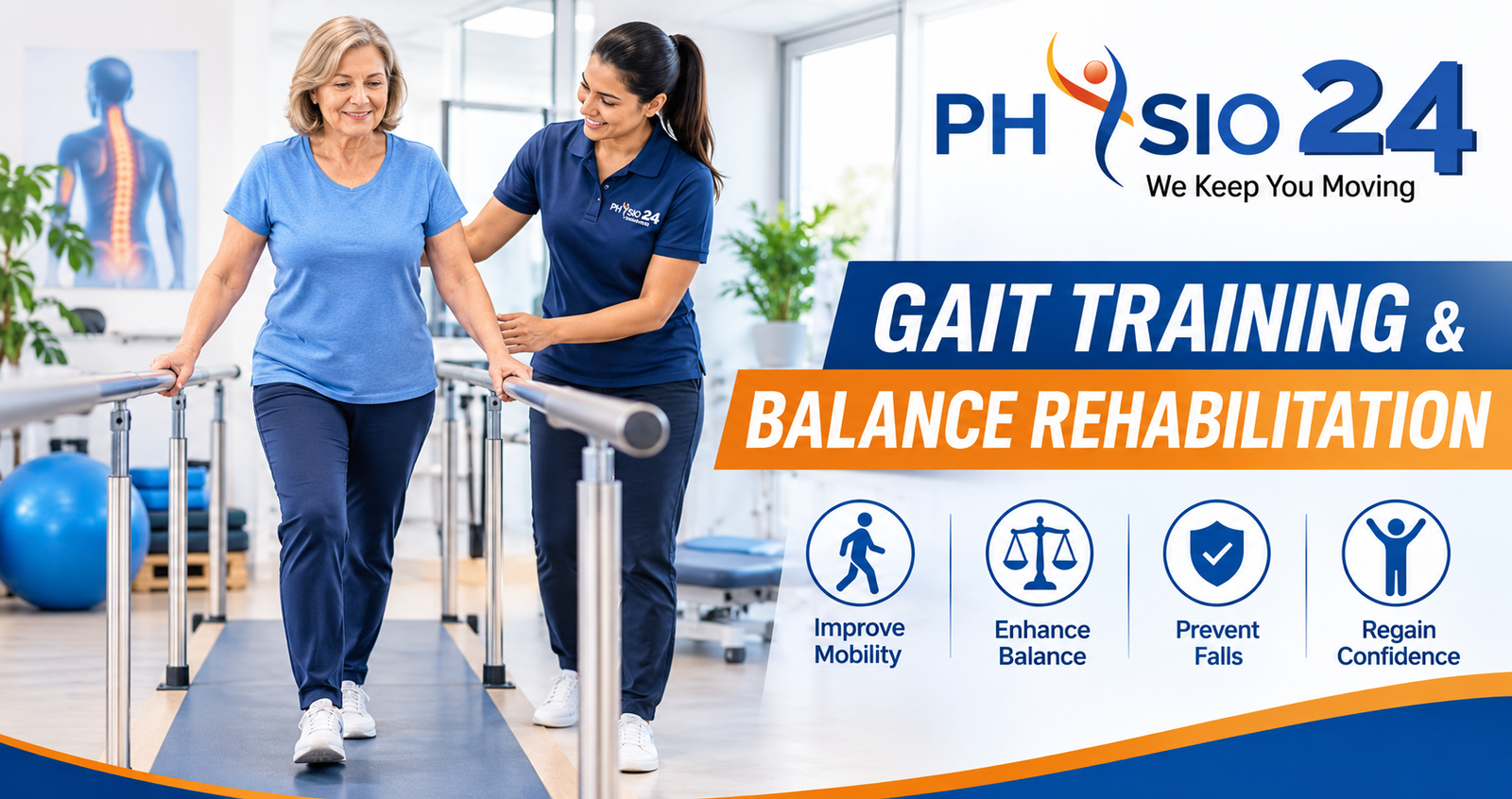
Walking and maintaining balance are essential parts of everyday life. From getting out of bed and climbing stairs to walking outdoors and performing daily activities, good mobility allows people to remain independent and active. However, injuries, neurological conditions, ageing, muscle weakness, and joint problems can affect walking patterns and balance, making even simple movements challenging.
Gait training and balance rehabilitation are important components of physiotherapy that help individuals improve their walking ability, coordination, posture, and stability. These rehabilitation approaches focus on restoring functional movement, strengthening muscles, and reducing the risk of falls.
With the right rehabilitation programme, individuals can gradually regain confidence in their movements and improve their overall quality of life. In this blog, we will explore how gait training and balance rehabilitation work, their benefits, and the role of different physiotherapy techniques in improving mobility.
What Is Gait Training in Physiotherapy?
Gait refers to the pattern of movement used when walking. A healthy walking pattern involves coordination between the muscles, joints, nervous system, and balance mechanisms. When any of these systems are affected, walking can become difficult or uncomfortable.
Gait training is a specialised rehabilitation approach designed to help individuals develop or restore proper walking patterns. It involves guided exercises and movement techniques that improve coordination, muscle strength, posture, and walking efficiency.
Physiotherapists assess an individual’s walking pattern to identify problems such as:
- Uneven steps or walking speed.
- Difficulty lifting one or both feet.
- Poor coordination between the legs.
- Reduced muscle strength.
- Walking with an unstable posture.
- Difficulty turning or changing direction.
- Dependence on walking aids.
Based on the assessment, physiotherapists create an individualised programme that addresses specific mobility challenges.
What Is Balance Rehabilitation?
Balance rehabilitation focuses on improving the body’s ability to maintain stability while standing, walking, sitting, or changing positions.
Balance depends on three major systems: vision, the inner ear (vestibular system), and sensory information from muscles and joints. These systems work together to help the brain understand body position and coordinate movement.
When these systems do not function effectively, individuals may experience dizziness, instability, difficulty standing, or frequent falls.
Balance rehabilitation uses controlled exercises to improve postural control, body awareness, coordination, and stability. It is particularly helpful for older adults and individuals recovering from neurological conditions or injuries.
Who Can Benefit from Gait Training and Balance Rehabilitation?
Gait and balance problems can affect people of different ages. Rehabilitation may be recommended for individuals experiencing mobility difficulties due to several conditions.
1. Stroke Recovery
A stroke can affect muscle strength, coordination, and movement control. Some individuals experience weakness on one side of the body, making walking difficult. Gait training helps improve weight distribution, stepping patterns, and functional mobility.
2. Parkinson’s Disease
People with Parkinson’s disease may experience shuffling steps, reduced arm movement, freezing episodes, and difficulty turning. Physiotherapy exercises can help improve walking rhythm, posture, and movement confidence.
3. Age-Related Mobility Problems
As people grow older, muscle strength, joint flexibility, and reaction time may decrease. Balance rehabilitation helps older adults improve stability and maintain independence during everyday activities.
4. Sports Injuries
Ankle sprains, knee injuries, ligament damage, and muscle injuries can affect walking mechanics. Gait training helps individuals gradually restore proper movement patterns during recovery.
5. Post-Surgical Rehabilitation
After procedures such as knee or hip replacement, individuals may need assistance rebuilding strength, improving joint movement, and developing a safe walking pattern.
6. Neurological Conditions
Conditions affecting the brain, spinal cord, or peripheral nerves can interfere with coordination and balance. Structured rehabilitation can help improve functional movement and independence.
Important Gait Training Exercises
A physiotherapist selects exercises according to the individual’s physical condition, strength, and mobility level. Some commonly used gait training activities include:
1. Walking Practice
Guided walking exercises help individuals practise proper step length, foot placement, posture, and coordination. The physiotherapist may provide support when required.
2. Weight-Shifting Exercises
These exercises involve gradually transferring body weight from one leg to another. They improve balance control and prepare individuals for safer walking.
3. Sit-to-Stand Training
Moving from a sitting position to standing strengthens the legs and improves functional mobility. It also helps individuals perform everyday activities more independently.
4. Step-Up Exercises
Stepping onto a low platform helps improve lower-body strength, coordination, and the ability to manage stairs.
5. Walking with Direction Changes
Practising controlled turns and changes in direction helps improve coordination and prepares individuals for navigating real-world environments.
Effective Balance Rehabilitation Exercises
Balance exercises are designed to challenge stability safely while improving postural control.
- Single-Leg Standing: Practising standing on one leg with appropriate support helps strengthen stabilising muscles and improve balance.
- Heel-to-Toe Walking: Walking in a straight line with one foot placed directly in front of the other improves coordination.
- Tandem Standing: Placing one foot directly in front of the other challenges the body’s ability to maintain stability.
- Supported Squats: Controlled squatting strengthens the legs and supports better movement during daily activities.
- Standing Weight Shifts: Moving body weight forward, backward, and sideways improves postural awareness.
These exercises should be performed according to professional guidance, particularly by individuals with a history of falls or significant balance difficulties.
Role of Different Physiotherapy Techniques in Mobility Rehabilitation
Gait training and balance rehabilitation can be combined with several therapeutic approaches to support recovery and improve movement.
Physiotherapy
Physiotherapy plays a central role in restoring strength, flexibility, coordination, and functional mobility. Treatment may include therapeutic exercises, walking practice, posture correction, mobility training, and patient education.
Chiropractic
Chiropractic care focuses on musculoskeletal health, particularly the relationship between the spine, joints, and movement. When clinically appropriate, chiropractic techniques may complement a broader rehabilitation programme by addressing certain joint and movement-related concerns.
Osteopathic Manipulation
Osteopathic manipulation involves hands-on techniques intended to address musculoskeletal restrictions and improve movement. It may be considered as a complementary treatment when suitable for the individual’s condition and rehabilitation goals.
Dry Needling
Dry needling is a technique that uses fine needles to target specific muscular trigger points. It may help manage muscle-related pain and tension in selected patients, potentially making therapeutic movement more comfortable.
These approaches are not interchangeable, and each has different applications. A qualified healthcare professional should determine which techniques are appropriate following an individual assessment.
Benefits of Gait Training and Balance Rehabilitation
A structured rehabilitation programme offers several physical and functional benefits.
1. Improved Walking Ability
Gait training helps individuals develop better walking patterns, improve step coordination, and move more efficiently.
2. Better Balance and Stability
Balance exercises improve postural control and help individuals manage movements such as standing, turning, and walking.
3. Reduced Risk of Falls
Improving muscle strength, coordination, and balance reactions can reduce certain fall risks, particularly among older adults.
4. Increased Muscle Strength
Targeted exercises strengthen the muscles responsible for supporting the body during standing and walking.
5. Greater Independence
Improved mobility makes everyday activities such as shopping, climbing stairs, and moving around the home easier.
6. Increased Confidence
As individuals become more comfortable with movement, they may feel more confident participating in social activities and maintaining an active lifestyle.
Why Professional Physiotherapy Assessment Matters
Every individual experiences mobility problems differently. Therefore, using the same exercise programme for everyone may not produce the best results.
A professional physiotherapy assessment helps identify muscle weakness, joint restrictions, coordination difficulties, posture problems, and balance limitations.
A personalised treatment programme can then be developed based on the individual’s health condition, rehabilitation goals, and physical capabilities.
At Physio 24, individuals can explore physiotherapy services designed to address different movement and musculoskeletal concerns. A suitable rehabilitation approach may include therapeutic exercises, mobility training, pain management, and other clinically appropriate techniques.
Working with qualified physiotherapy professionals can help individuals follow a structured recovery programme and progress towards improved mobility safely.
Tips for Maintaining Better Balance and Mobility at Home
Along with professional rehabilitation, healthy daily habits can support better movement and stability.
- Practise prescribed physiotherapy exercises regularly.
- Wear comfortable footwear with good grip and support.
- Keep walking areas free from loose rugs and obstacles.
- Use handrails when climbing stairs.
- Maintain an active lifestyle within your physical limitations.
- Avoid rushing when standing up or changing direction.
- Follow professional recommendations when using walking aids.
- Schedule regular assessments if mobility problems persist.
Consistency is important, but exercises should never cause significant pain, dizziness, or excessive discomfort. Stop an activity if concerning symptoms develop and seek professional advice.
Conclusion
Gait training and balance rehabilitation are valuable parts of physiotherapy that help individuals improve walking ability, coordination, stability, and physical independence. Whether someone is recovering from a stroke, managing an age-related mobility problem, or rebuilding strength after an injury, an appropriately designed rehabilitation programme can support meaningful improvements in everyday movement.
Combining gait exercises, balance training, muscle strengthening, and suitable therapeutic techniques can help individuals work towards safer and more confident mobility.
With professional guidance, consistent practice, and personalised treatment, individuals can take positive steps towards better physical function and an improved quality of life.


Leave a Reply
You must belogged in to post a comment.