


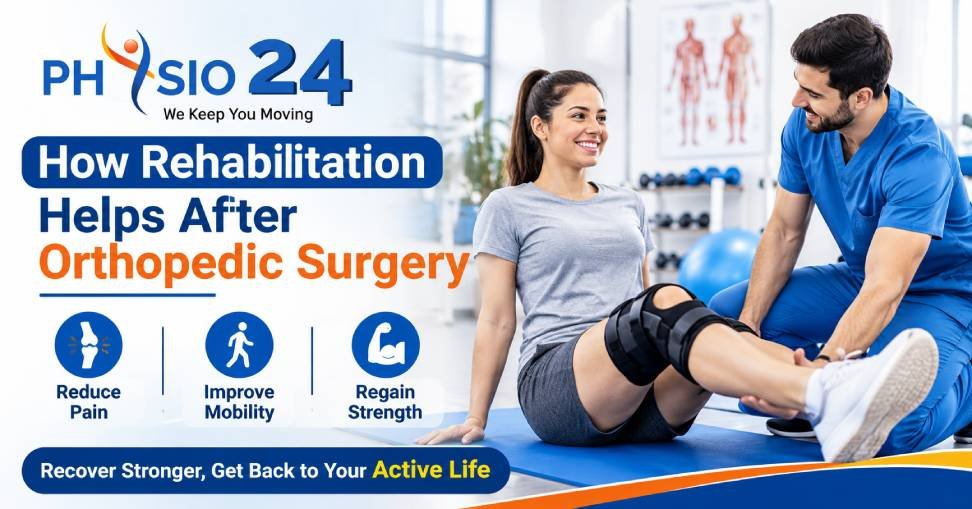
Orthopedic surgery plays an important role in treating injuries, correcting bone and joint problems, and improving mobility. Procedures such as knee replacement, hip replacement, ligament reconstruction, fracture repair, and spinal surgery can help patients regain comfort and function. However, surgery is only one part of the recovery process. Proper rehabilitation is equally important for achieving long-term results and returning to everyday activities.
Rehabilitation after orthopedic surgery focuses on restoring strength, flexibility, balance, coordination, and joint movement. With the right combination of Physiotherapy, Chiropractic care, Osteopathic Manipulation, and Dry Needling, patients can gradually rebuild their physical abilities under professional supervision.
In this blog, we explore how rehabilitation supports post-surgical recovery, why it is important, and how different treatment approaches can help patients return to a healthier and more active lifestyle.
1. Why Is Rehabilitation Important After Orthopedic Surgery?
After orthopedic surgery, patients may experience pain, swelling, stiffness, muscle weakness, and limited movement. These symptoms can make simple activities such as walking, climbing stairs, sitting, standing, and lifting objects difficult.
During surgery and the recovery period, surrounding muscles and soft tissues may become weak or less active. Reduced physical activity can also affect joint flexibility, circulation, and overall body strength.
Rehabilitation helps address these challenges through a structured recovery programme.
Some major benefits include:
- Restoring mobility: Helps improve joint movement and flexibility after surgery.
- Reducing stiffness: Gentle exercises and appropriate manual techniques help improve comfortable movement.
- Building muscle strength: Strengthening exercises support the operated joint and surrounding muscles.
- Improving balance: Helps patients regain stability and coordination.
- Supporting daily activities: Makes it easier to walk, sit, stand, and perform routine tasks.
- Preventing complications: Appropriate movement and prescribed exercises can reduce the risk of problems associated with prolonged inactivity.
A personalised rehabilitation plan ensures that recovery progresses safely according to the patient’s surgical procedure, medical condition, and physical abilities.
2. The Role of Physiotherapy in Post-Surgical Recovery
Physiotherapy is one of the most important components of rehabilitation after orthopedic surgery. It focuses on improving movement, restoring muscle function, reducing physical limitations, and helping patients return to their normal routines.
A physiotherapist evaluates the patient’s condition and develops an individual treatment programme based on the type of surgery and recovery stage.
Common physiotherapy treatments include:
Gentle Mobility Exercises
After surgery, joints may become stiff due to swelling and reduced movement. Controlled mobility exercises help gradually restore the range of motion without placing unnecessary stress on healing tissues.
Strengthening Exercises
Muscles surrounding the operated area often become weak. Targeted exercises help rebuild muscle strength, improve joint stability, and support better movement.
Gait Training
Patients recovering from knee, hip, or lower-limb surgery may experience difficulty walking. Gait training helps improve walking patterns, balance, posture, and coordination.
Functional Training
Functional exercises prepare patients for everyday activities such as climbing stairs, getting out of a chair, bending, and walking independently.
Pain and Swelling Management
Depending on the patient’s condition, physiotherapists may use appropriate therapeutic techniques to help manage discomfort and swelling.
Physiotherapy progresses gradually, ensuring that patients do not place excessive pressure on healing joints, bones, or soft tissues.
3. How Chiropractic Care Can Support Recovery
Chiropractic care primarily focuses on the relationship between the spine, joints, muscles, and nervous system. It may support certain aspects of musculoskeletal rehabilitation by addressing movement restrictions, posture-related discomfort, and mechanical problems in appropriate areas.
After orthopedic surgery, patients sometimes develop compensatory movement patterns. For example, someone recovering from knee surgery may place additional pressure on the opposite leg, hips, or lower back. Over time, these changes can contribute to muscular tension and discomfort.
A qualified chiropractor may assess these movement patterns and recommend suitable supportive treatments.
Potential benefits of appropriate chiropractic care include:
- Improving movement in unaffected joints.
- Addressing posture-related discomfort.
- Supporting spinal mobility.
- Identifying muscular imbalances.
- Improving overall musculoskeletal function.
Important: Chiropractic treatment after surgery must be carefully adapted to the patient’s condition. Spinal or joint manipulation should not be performed near healing surgical areas or without appropriate medical clearance. High-velocity techniques may be unsuitable during certain stages of recovery.
4. Understanding Osteopathic Manipulation in Rehabilitation
Osteopathic Manipulation is a hands-on treatment approach that focuses on the relationship between muscles, joints, connective tissues, and overall body movement.
After orthopedic surgery, patients may experience stiffness and reduced mobility in surrounding body regions. Changes in movement can also create additional stress on nearby muscles and joints.
Osteopathic Manipulation may help address these issues through carefully selected manual techniques.
Some commonly used approaches include:
- Soft Tissue Techniques: Gentle hands-on methods to address muscle tension and soft tissue restrictions.
- Joint Mobilisation: Controlled movements designed to improve mobility in suitable joints.
- Myofascial Techniques: Approaches that target restrictions in the connective tissues surrounding muscles.
- Movement Assessment: Identifying areas where restricted movement may affect overall physical function.
For example, a patient recovering from hip replacement surgery may develop stiffness in the surrounding muscles or altered movement patterns. Appropriate osteopathic techniques may help improve comfort and mobility in unaffected or medically cleared areas.
The treatment must always consider the surgical procedure, healing stage, and surgeon’s recommendations. Manual therapy should never compromise the stability of a healing joint or surgical repair.
5. The Role of Dry Needling in Muscle Recovery
Muscle tightness and discomfort are common during rehabilitation. Changes in movement, reduced activity, and compensatory muscle use can contribute to tension in different parts of the body.
Dry Needling is a treatment technique in which a trained healthcare professional inserts thin, sterile needles into selected muscles or trigger points to address muscular pain and tension.
When clinically appropriate, dry needling may support rehabilitation by:
- Helping reduce muscular tension.
- Managing certain types of muscle-related discomfort.
- Supporting improved muscle movement.
- Addressing myofascial trigger points.
- Complementing an exercise-based physiotherapy programme.
For instance, a patient recovering from knee surgery may experience tension in the surrounding thigh muscles due to altered movement patterns. Dry needling may be considered as an additional treatment to address muscular discomfort.
However, dry needling is not suitable for every patient. It should only be considered after reviewing the patient’s surgical history, medications, wound condition, and healing progress. It must not be performed through or near healing surgical wounds or implanted surgical sites without appropriate specialist guidance.
6. Different Stages of Rehabilitation After Orthopedic Surgery
Recovery is a gradual process, and rehabilitation requirements change depending on the healing stage.
Stage 1: Early Recovery
The initial stage focuses on protecting the surgical area, managing pain and swelling, and maintaining safe movement. Patients may be advised to perform gentle exercises, breathing techniques, and prescribed mobility activities.
Stage 2: Regaining Mobility
Once the surgeon confirms adequate healing, rehabilitation may progress towards improving joint flexibility and movement. Gentle stretching, controlled exercises, and appropriate manual techniques may be introduced.
Stage 3: Strength and Stability Development
At this stage, patients work on rebuilding muscle strength, improving balance, and developing better joint stability. Resistance exercises and functional movements are gradually introduced.
Stage 4: Returning to Everyday Activities
The final stage focuses on helping patients return to work, household activities, recreational activities, and other daily responsibilities. Advanced strengthening and movement training may be included depending on individual goals.
The duration of each stage varies according to the surgery, individual healing response, and medical recommendations.
7. Why a Personalised Rehabilitation Plan Matters
Every orthopedic surgery is different, and every patient has unique recovery requirements. A person recovering from a knee replacement may need a different rehabilitation programme from someone recovering from shoulder surgery or a spinal procedure.
A personalised rehabilitation plan considers:
- Type and complexity of surgery.
- Patient’s age and physical condition.
- Muscle strength and joint mobility.
- Pain levels and swelling.
- Medical history and other health conditions.
- Surgeon-prescribed movement restrictions.
- Personal recovery goals.
Combining physiotherapy with carefully selected supportive approaches such as Chiropractic care, Osteopathic Manipulation, and Dry Needling may provide a more comprehensive approach to managing musculoskeletal problems.
However, these treatments should complement—not replace—medically prescribed post-operative rehabilitation.
8. Tips for a Successful Recovery After Orthopedic Surgery
Patients can support their recovery by following a few important practices:
- Follow Medical Advice: Always follow your surgeon’s instructions and rehabilitation guidelines.
- Attend Rehabilitation Sessions: Consistent participation helps maintain progress.
- Perform Prescribed Exercises: Complete home exercises according to your physiotherapist’s recommendations.
- Avoid Overexertion: Do not rush into strenuous activities before receiving medical clearance.
- Maintain Proper Nutrition: A balanced diet with sufficient protein and essential nutrients supports tissue healing.
- Allow Adequate Rest: Give your body sufficient time to recover between rehabilitation sessions.
- Monitor Your Progress: Report unusual pain, increasing swelling, redness, fever, or other concerning symptoms to your healthcare provider promptly.
Conclusion
Orthopedic surgery can help restore damaged bones, joints, and other musculoskeletal structures, but rehabilitation plays a major role in helping patients regain their physical abilities. A structured recovery programme can improve mobility, rebuild strength, reduce stiffness, and support a safe return to everyday activities.
Physiotherapy, Chiropractic care, Osteopathic Manipulation, and Dry Needling may each contribute to selected aspects of musculoskeletal recovery when appropriately prescribed and performed by qualified professionals.
The most important factor is choosing a personalised rehabilitation approach that respects the healing process and follows medical guidance. With professional support, consistency, and patience, patients can work towards improved movement, greater independence, and a better quality of life.


Leave a Reply
You must belogged in to post a comment.