


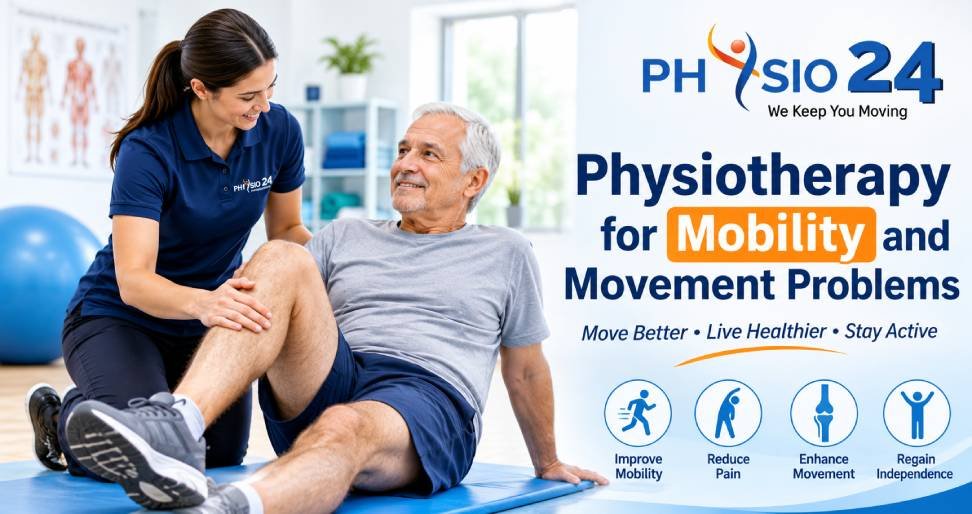
Movement is an essential part of everyday life. From walking and climbing stairs to bending, lifting objects and performing routine household activities, our bodies depend on healthy muscles, joints, bones and nerves to function properly. However, pain, stiffness, injuries, ageing and certain medical conditions can make even simple movements challenging.
Physiotherapy for mobility and movement problems plays an important role in helping individuals regain physical function, improve flexibility, manage discomfort and restore independence. Through personalised exercises, hands-on treatment and rehabilitation techniques, physiotherapy can help people move more comfortably and confidently.
Whether someone is experiencing back pain, joint stiffness, muscle weakness or difficulty walking, an appropriate physiotherapy programme can support their recovery and improve their overall quality of life.
What Are Mobility and Movement Problems?
Mobility problems refer to difficulties performing physical movements or moving different parts of the body comfortably. These difficulties may develop gradually due to ageing or chronic health conditions, or suddenly following an accident, injury or surgery.
Movement problems can affect people of all ages and may involve different parts of the body.
Some common examples include:
- Joint stiffness: Difficulty bending or straightening the knees, elbows, shoulders or hips.
- Muscle weakness: Reduced strength that makes walking, standing or lifting objects difficult.
- Balance problems: Difficulty maintaining stability while standing, walking or changing positions.
- Back and neck pain: Discomfort that restricts normal movement and flexibility.
- Walking difficulties: Problems with coordination, leg strength or maintaining a normal walking pattern.
- Reduced flexibility: Limited movement caused by tight muscles, joint restrictions or soft tissue problems.
According to the World Health Organization, musculoskeletal conditions affect approximately 1.71 billion people worldwide and are a major contributor to disability and reduced mobility. World Health Organization
Common Causes of Mobility and Movement Difficulties
Several physical and medical conditions can affect a person’s ability to move comfortably. Identifying the underlying cause is essential for selecting the right treatment approach.
1. Arthritis and Joint Problems
Conditions such as osteoarthritis and rheumatoid arthritis can cause joint pain, inflammation, stiffness and reduced flexibility. These symptoms may make everyday activities such as walking, sitting and climbing stairs increasingly difficult.
2. Muscle Injuries and Weakness
Muscle strains, ligament injuries and prolonged inactivity can reduce strength and flexibility. Without appropriate rehabilitation, these problems may interfere with normal physical activities.
3. Age-Related Physical Changes
As people grow older, muscle strength, joint flexibility and balance may gradually decline. These changes can increase the difficulty of maintaining independence and performing daily activities.
4. Neurological Conditions
Conditions such as stroke, Parkinson’s disease and multiple sclerosis can affect muscle coordination, balance and movement control. Physiotherapy may help individuals develop better movement patterns and improve functional abilities.
5. Injuries and Surgical Recovery
Accidents, fractures, sports injuries and orthopaedic surgeries can temporarily restrict movement. Rehabilitation helps restore strength, flexibility and functional mobility during recovery.
How Does Physiotherapy Improve Mobility and Movement?
Physiotherapy focuses on improving the body’s ability to move safely and efficiently. Rather than addressing discomfort alone, a physiotherapist evaluates the underlying physical limitations and develops a treatment programme based on individual needs.
Here are some important ways physiotherapy supports better movement.
1. Improves Joint Flexibility and Range of Motion
Joint stiffness can restrict movement and make everyday activities uncomfortable. Physiotherapists use carefully selected stretching exercises and joint mobilisation techniques to improve flexibility and maintain healthy joint movement.
For example, individuals experiencing shoulder stiffness may benefit from specific shoulder mobility exercises, while people with knee restrictions may require controlled knee-bending and straightening exercises.
Improved joint mobility can make routine movements more comfortable and manageable.
2. Strengthens Weak Muscles
Muscle weakness is one of the common reasons behind mobility difficulties. Physiotherapy includes strengthening exercises that target specific muscle groups responsible for supporting body movement.
Depending on the individual’s condition, treatment may involve:
- Resistance band exercises.
- Controlled squats and sit-to-stand movements.
- Leg strengthening exercises.
- Core stability training.
- Shoulder and arm strengthening activities.
Stronger muscles provide better support to joints, improve physical stability and help individuals perform everyday activities more efficiently.
3. Enhances Balance and Coordination
Balance problems can increase the risk of falls, particularly among older adults and people recovering from neurological conditions.
Physiotherapists may recommend balance training, posture correction and coordination exercises to improve body control.
Activities such as supported standing, controlled weight shifting and supervised walking exercises can help individuals develop greater confidence while moving.
4. Reduces Pain and Physical Discomfort
Persistent pain can discourage people from remaining physically active. Physiotherapy uses appropriate treatment techniques to help manage discomfort while gradually restoring movement.
Depending on the condition, treatment may include therapeutic exercises, manual therapy, soft tissue techniques and patient education.
The objective is to improve functional movement while helping individuals understand how to manage their symptoms safely. NHS+1
5. Supports Walking and Functional Movement
Walking difficulties can develop following injuries, surgery, muscle weakness or neurological conditions.
Gait training is a specialised physiotherapy approach that focuses on improving walking patterns, posture, coordination and lower-limb strength.
Physiotherapists may also recommend appropriate walking aids when necessary to support safe movement and independence.
Common Physiotherapy Techniques for Mobility Improvement
A physiotherapist may combine different treatment approaches depending on the patient’s physical condition, medical history and rehabilitation goals.
Some commonly used techniques include:
Exercise Therapy: Individualised exercises designed to improve muscle strength, flexibility, endurance and joint movement.
Manual Therapy: Hands-on techniques, including soft tissue treatment and joint mobilisation, to address movement restrictions and discomfort.
Stretching Exercises: Controlled stretches that help improve muscle flexibility and maintain the functional range of motion.
Balance Training: Exercises that improve coordination, stability and body awareness.
Gait Training: Structured walking exercises designed to improve walking ability, posture and movement control.
Hydrotherapy: Supervised exercises performed in water, where buoyancy can reduce the load placed on joints while allowing controlled movement.
The selection of these techniques depends on individual assessment and clinical requirements. NHS+1
Who Can Benefit from Physiotherapy?
Physiotherapy can support people experiencing different types of mobility and movement difficulties.
It may be beneficial for:
- Older adults experiencing reduced strength, flexibility or balance.
- Individuals recovering from fractures, injuries or surgery.
- People experiencing chronic back, neck or joint pain.
- Sports professionals recovering from physical injuries.
- Individuals experiencing movement difficulties following a stroke.
- People with arthritis or other musculoskeletal conditions.
- Individuals experiencing posture-related movement restrictions.
Treatment plans should always be adapted to the individual’s age, physical capacity and medical condition.
Simple Ways to Maintain Better Mobility at Home
Along with professional physiotherapy, maintaining healthy movement habits can support long-term physical function.
Consider incorporating these habits into your daily routine:
- Stay physically active: Include suitable activities such as walking or other low-impact exercises.
- Avoid prolonged sitting: Take regular movement breaks, especially if you work at a desk.
- Practise gentle stretching: Follow appropriate stretching exercises to maintain flexibility.
- Maintain good posture: Pay attention to your sitting, standing and lifting positions.
- Build muscle strength: Perform suitable strengthening exercises under professional guidance.
- Follow your rehabilitation plan: Complete prescribed exercises consistently and avoid increasing intensity without guidance.
Start gradually and adjust activities according to your physical condition. If an exercise causes significant pain or worsening symptoms, stop and consult your healthcare professional. NHS+1
Why Is Professional Physiotherapy Assessment Important?
Every mobility problem has a different underlying cause. Therefore, following random exercises or copying someone else’s rehabilitation routine may not provide the right results.
During an initial consultation, a physiotherapist may evaluate joint flexibility, muscle strength, balance, posture, walking patterns and movement limitations.
Based on the findings, they can create a personalised rehabilitation programme with realistic goals and regular progress assessments.
Professional guidance is particularly important for individuals with neurological conditions, recent surgeries, significant injuries or persistent mobility difficulties.
Sudden weakness, especially on one side of the body, sudden difficulty walking, facial drooping or speech problems may indicate a stroke and require immediate emergency medical attention rather than a routine physiotherapy appointment.
Conclusion: Take the First Step Towards Better Movement
Mobility and movement problems can affect physical independence, daily productivity and overall quality of life. However, the right physiotherapy approach can help individuals improve flexibility, strengthen muscles, develop better balance and regain confidence in their everyday activities.
From managing joint stiffness to recovering after injuries and improving walking ability, physiotherapy offers a structured approach to restoring functional movement.
Don’t let movement difficulties unnecessarily limit your daily life. Seeking professional physiotherapy assessment at the right time can help you understand your condition and take appropriate steps towards better mobility, improved physical function and a more active lifestyle.


Leave a Reply
You must belogged in to post a comment.