


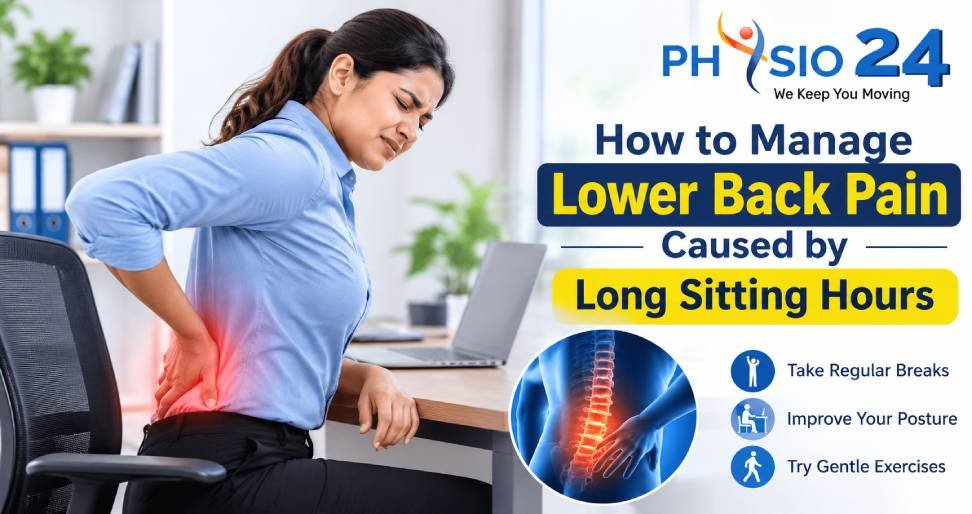
Lower back pain has become a common problem for people who spend long hours sitting at desks, working on computers, driving, or studying. Modern lifestyles often involve limited physical activity, prolonged sitting, and poor posture, which can place continuous stress on the lower back. Over time, these habits may contribute to muscle stiffness, reduced flexibility, and discomfort around the lumbar spine.
Whether you work in an office, study for extended periods, or manage daily tasks from home, understanding how to manage lower back pain is essential for maintaining a healthy and active lifestyle. The good news is that a combination of better sitting habits, regular movement, targeted exercises, and professional treatments such as Physiotherapy, Chiropractic, Osteopathic Manipulation, and Dry Needling can help manage discomfort and improve mobility.
Understanding Why Long Sitting Hours Cause Lower Back Pain
The lower back, also known as the lumbar region, supports much of the body’s weight and helps maintain stability during everyday movements. Sitting for extended periods can increase pressure on spinal structures, particularly when combined with poor posture or an unsuitable workstation.
Several factors contribute to lower back discomfort:
- Poor Sitting Posture: Slouching or leaning forward places additional strain on the lower back muscles and spinal structures.
- Muscle Weakness: Limited physical activity can weaken the core and supporting muscles responsible for spinal stability.
- Reduced Blood Circulation: Remaining in one position for too long may contribute to stiffness and discomfort.
- Tight Hip Flexors: Prolonged sitting can shorten or stiffen the hip flexor muscles, potentially affecting pelvic positioning.
- Lack of Movement: Staying seated without regular breaks reduces opportunities for the spine and surrounding muscles to move naturally.
Identifying these contributing factors is the first step towards developing an effective pain management routine.
1. Maintain Proper Sitting Posture
One of the simplest ways to reduce lower back discomfort is to improve your sitting posture. Maintaining a comfortable, supported position can help reduce unnecessary strain on the lumbar region.
Follow these ergonomic recommendations:
- Keep your feet flat on the floor or use a footrest.
- Position your knees approximately level with your hips.
- Sit with your back supported by the chair’s backrest.
- Use lumbar support to maintain the natural curve of your lower spine.
- Keep your computer screen at eye level.
- Position your keyboard and mouse within comfortable reach.
- Avoid leaning forward or sitting with crossed legs for extended periods.
Remember that there is no single perfect sitting position. Changing positions regularly is just as important as maintaining good posture.
2. Take Regular Breaks and Stay Active
Sitting continuously for several hours can increase muscle stiffness and make existing back discomfort worse. Taking short movement breaks throughout the day helps reduce the amount of time spent in one position.
Try standing up every 30–60 minutes. Walk around your workplace, stretch gently, or perform a few simple movements before returning to your desk.
Some helpful activities include:
- Walking for five minutes.
- Performing gentle standing back extensions.
- Moving your hips and shoulders.
- Stretching your hamstrings.
- Practising gentle pelvic movements.
Even small changes to your daily routine can encourage movement and help prevent prolonged inactivity.
3. Perform Exercises to Strengthen Your Lower Back
Regular exercise plays an important role in managing lower back pain. Strengthening the abdominal, gluteal, and back muscles can improve spinal support, movement control, and overall physical function.
Consider incorporating these gentle exercises into your routine:
Pelvic Tilts: Lie on your back with your knees bent. Gently tighten your abdominal muscles and tilt your pelvis to flatten your lower back against the floor. Hold briefly and relax.
Cat-Cow Stretch: Start on your hands and knees. Slowly round your back towards the ceiling, then gently lower your abdomen while lifting your head slightly. Move comfortably without forcing your spine.
Bird-Dog Exercise: Begin on your hands and knees. Extend one arm and the opposite leg while keeping your back stable. Hold briefly and return to the starting position. Repeat on the other side.
Glute Bridges: Lie on your back with your knees bent and feet flat. Tighten your abdominal and gluteal muscles, then lift your hips gently. Lower slowly.
Start with a comfortable number of repetitions and increase gradually. Stop if an exercise causes worsening pain, numbness, or tingling.
4. How Physiotherapy Helps Manage Lower Back Pain
Physiotherapy is an effective treatment approach for people experiencing lower back discomfort associated with prolonged sitting. Rather than focusing only on temporary pain relief, physiotherapy aims to identify contributing movement problems and improve overall physical function.
A physiotherapist may assess your posture, spinal mobility, muscle strength, flexibility, and movement patterns before developing an individual treatment programme.
Common physiotherapy techniques include:
- Therapeutic exercises to improve core strength.
- Stretching to reduce muscle tightness.
- Manual therapy to improve mobility.
- Postural correction and ergonomic guidance.
- Movement retraining to improve everyday activities.
- Rehabilitation exercises to support long-term recovery.
Working with an experienced physiotherapist can help you develop healthy movement habits and reduce the likelihood of recurring discomfort.
5. Chiropractic Treatment for Lower Back Discomfort
Chiropractic care focuses on assessing and managing problems involving the spine, joints, and surrounding musculoskeletal structures. It may be considered as part of a broader approach to managing lower back pain.
Depending on an individual’s condition, a qualified chiropractor may use specific manual techniques, joint mobilisation, or spinal manipulation to address restricted movement and discomfort.
Chiropractic treatment may help:
- Improve spinal mobility.
- Reduce certain types of musculoskeletal discomfort.
- Address movement restrictions.
- Support better functional movement.
Treatment should always follow an appropriate assessment. Spinal manipulation is not suitable for everyone, particularly individuals with certain spinal conditions or neurological symptoms.
6. Osteopathic Manipulation for Improved Mobility
Osteopathic Manipulation is another hands-on treatment approach that focuses on the relationship between muscles, joints, connective tissues, and overall body movement.
For individuals experiencing stiffness after prolonged sitting, osteopathic techniques may help improve mobility and reduce musculoskeletal discomfort.
Depending on the assessment, an osteopathic practitioner may use gentle stretching, soft tissue techniques, joint mobilisation, and other manual approaches.
Potential benefits include:
- Reducing muscle tension.
- Improving joint movement.
- Supporting flexibility.
- Addressing movement restrictions.
- Improving comfort during everyday activities.
Osteopathic Manipulation can complement an exercise-based rehabilitation programme when clinically appropriate.
7. Dry Needling for Muscle Tightness
Prolonged sitting can contribute to muscle tension and the development of painful trigger points in the lower back, hips, and surrounding areas.
Dry Needling is a treatment technique in which a trained healthcare professional inserts fine, sterile needles into selected muscles or trigger points. It is intended to address certain types of muscular pain and improve movement.
Dry Needling may be used alongside physiotherapy to:
- Target painful muscle trigger points.
- Help reduce muscle-related discomfort.
- Improve muscle flexibility.
- Support rehabilitation exercises.
- Improve movement when muscle tightness is a contributing factor.
It is important to understand that Dry Needling is not a standalone solution for every type of back pain. Its suitability depends on the individual’s symptoms and clinical assessment.
8. Improve Your Workplace Ergonomics
Your workstation setup can significantly influence how your back feels throughout the working day. Making a few adjustments can help reduce unnecessary physical stress.
Consider the following changes:
- Choose an adjustable chair with adequate lumbar support.
- Keep your monitor directly in front of you.
- Maintain a comfortable viewing distance from the screen.
- Use a desk and chair that allow a relaxed working position.
- Avoid placing your laptop too low for extended periods.
- Consider alternating between sitting and standing.
A properly arranged workspace, combined with regular movement, can make long working hours more comfortable.
9. When Should You Seek Professional Help?
Occasional lower back discomfort may improve with movement, rest from aggravating activities, and appropriate exercises. However, persistent or worsening pain should not be ignored.
Consult a healthcare professional if your pain continues, frequently returns, interferes with daily activities, or spreads into your legs.
Seek urgent medical attention if you experience:
- New loss of bladder or bowel control.
- Numbness around the groin or saddle area.
- Progressive weakness in one or both legs.
- Severe back pain following a significant accident.
These symptoms may indicate a serious condition requiring immediate assessment.
Conclusion
Managing lower back pain caused by long sitting hours requires a combination of healthy daily habits, regular physical activity, proper workstation arrangements, and appropriate professional care. Improving posture, taking movement breaks, and performing strengthening exercises can help reduce stiffness and support better spinal health.
Treatments such as Physiotherapy, Chiropractic, Osteopathic Manipulation, and Dry Needling may also play a valuable role in an individual’s recovery plan when recommended after proper assessment.
If lower back discomfort is affecting your work or everyday activities, consider seeking professional guidance from Physio 24. With appropriate physiotherapy and rehabilitation support, you can work towards improved mobility, better movement habits, and a more comfortable, active lifestyle.


Leave a Reply
You must belogged in to post a comment.