


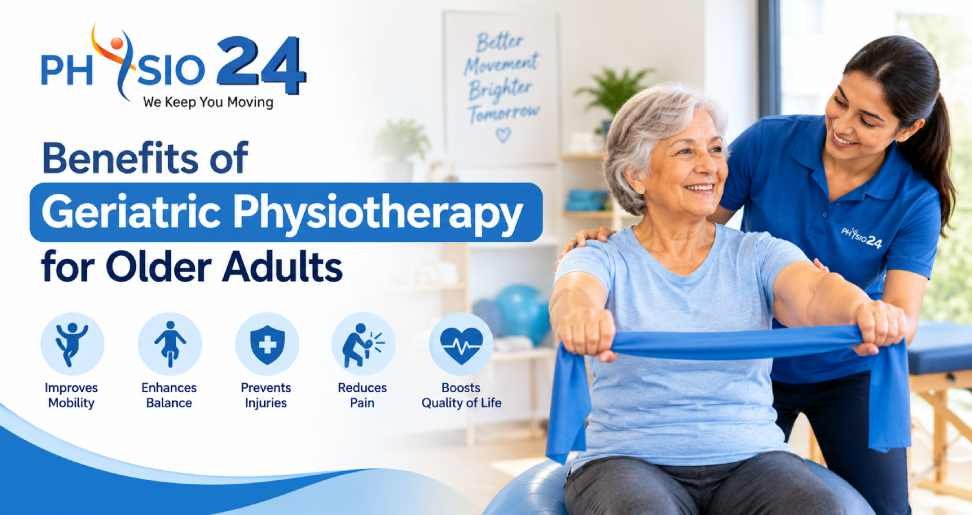
Ageing is a natural part of life, but it can bring physical challenges that affect mobility, balance, flexibility, strength, and overall independence. Many older adults experience joint stiffness, muscle weakness, back pain, knee pain, reduced coordination, and difficulty performing everyday activities. These changes can make walking, climbing stairs, getting out of bed, or completing household tasks more challenging.
Geriatric physiotherapy plays an important role in helping older adults maintain their physical abilities and enjoy a better quality of life. It focuses on improving movement, managing pain, preventing falls, and supporting independence through personalised exercises and therapeutic techniques.
With appropriate professional guidance, older adults can remain active, improve their confidence, and manage many age-related physical difficulties. Understanding the benefits of geriatric physiotherapy can help individuals and their families make informed decisions about healthy ageing.
What Is Geriatric Physiotherapy?
Geriatric physiotherapy is a specialised area of physiotherapy that addresses the physical needs of older adults. It considers age-related changes, existing health conditions, mobility limitations, and individual activity levels when developing a treatment plan.
The primary goal is to help older adults move safely, manage discomfort, improve strength, and maintain independence for as long as possible.
Treatment may include therapeutic exercises, balance training, posture correction, walking practice, flexibility exercises, manual therapy, and education about safe movement. Depending on the individual’s condition, a physiotherapist may also incorporate techniques such as Chiropractic care, Osteopathic Manipulation, and Dry Needling when clinically appropriate.
Geriatric physiotherapy is useful for older adults experiencing age-related stiffness, arthritis, reduced mobility, recovery following surgery, balance difficulties, or physical deconditioning after an illness.
1. Improves Mobility and Flexibility
Reduced mobility is a common concern among older adults. Stiff joints, tight muscles, and decreased physical activity can make routine movements uncomfortable and difficult.
Geriatric physiotherapy uses gentle stretching, joint mobility exercises, and guided movement techniques to help improve flexibility and maintain the range of motion.
For example, an older adult experiencing knee stiffness may benefit from exercises designed to improve knee movement and strengthen the surrounding muscles. Similarly, appropriate shoulder exercises may help someone who struggles to reach overhead or dress independently.
Improved mobility can make everyday activities easier and encourage older adults to remain physically active. Exercise programmes should always be adjusted to individual abilities, pain levels, and medical considerations.
2. Strengthens Muscles and Supports Physical Independence
Muscle mass and strength can decline with age, particularly when physical activity decreases. Weak muscles may make it difficult to stand from a chair, climb stairs, carry light objects, or walk for extended periods.
Physiotherapy can help address these difficulties through progressive strengthening exercises. Depending on the individual’s needs, a programme may include seated leg exercises, resistance-band training, supported squats, and exercises that strengthen the core and upper body.
Stronger muscles provide better support for joints and help older adults perform daily activities with greater confidence.
Maintaining muscle strength is also important for people recovering from hospitalisation or prolonged periods of inactivity. A qualified physiotherapist can recommend suitable exercises and gradually increase their intensity as strength and endurance improve.
3. Helps Improve Balance and Reduce Fall Risk
Falls are a significant concern for older adults because they can result in fractures, injuries, loss of confidence, and reduced independence. Poor balance, muscle weakness, vision difficulties, medication effects, and environmental hazards can all contribute to fall risk.
Geriatric physiotherapy can help improve balance and coordination through supervised activities tailored to an individual’s abilities.
Common interventions include supported standing exercises, controlled weight shifting, walking practice, stepping exercises, and training for safe transfers between sitting and standing.
Physiotherapists may also assess walking patterns and recommend appropriate mobility aids when necessary. Advice about footwear, home hazards, and safe movement can further support fall prevention.
Although physiotherapy cannot eliminate every risk, a suitable programme can help older adults improve their balance, movement control, and confidence.
4. Helps Manage Joint Pain and Stiffness
Conditions such as osteoarthritis, chronic back pain, and age-related joint stiffness can interfere with everyday life. Pain may discourage movement, leading to reduced activity and further muscle weakness.
Physiotherapy can help manage these symptoms through individualised exercises, movement education, posture training, and appropriate hands-on techniques.
Chiropractic care may involve specific manual techniques intended to address selected musculoskeletal problems. Osteopathic Manipulation uses hands-on approaches to assess and treat certain movement-related complaints. Both require careful clinical assessment, particularly for older adults with osteoporosis, fragile bones, joint replacements, or other medical conditions.
Dry Needling is another technique that may be considered for selected muscular pain conditions. It involves inserting fine needles into targeted tissues and should only be performed by a suitably trained and qualified professional when appropriate.
These approaches are not suitable for everyone and should not replace necessary medical evaluation. A physiotherapist can determine whether a technique is appropriate or whether gentler alternatives would be safer.
5. Supports Recovery After Surgery or Illness
Older adults may need rehabilitation following procedures such as hip or knee replacement, fractures, or other medical events that affect mobility.
After surgery or illness, reduced activity can contribute to muscle weakness, joint stiffness, and difficulties with walking or daily tasks. A structured physiotherapy programme can support a gradual return to movement.
Treatment may include prescribed mobility exercises, walking practice, strength training, and functional activities such as getting into bed or standing from a chair.
Rehabilitation should follow the treating medical team’s instructions and any restrictions related to surgery or injury. The programme can then progress according to recovery, comfort, and physical capacity.
Early, appropriate rehabilitation can help older adults rebuild confidence and work towards their personal mobility goals.
6. Promotes Better Posture and Spinal Health
Age-related changes in muscle strength, joint flexibility, and spinal structure may affect posture. Some older adults develop a forward-leaning posture or experience discomfort while sitting, standing, or walking.
Physiotherapy can help improve postural awareness, strengthen supporting muscles, and encourage comfortable movement patterns. Exercises may focus on the upper back, abdominal muscles, hips, and shoulders.
Manual therapy, including selected Chiropractic or Osteopathic Manipulation techniques, may be considered for specific musculoskeletal concerns after a thorough assessment. However, forceful spinal manipulation may be inappropriate for people with osteoporosis, spinal fractures, or significant fragility.
A safe, personalised approach is essential for maintaining comfort and supporting spinal function in older adults.
7. Supports Overall Well-Being and Confidence
Physical limitations can affect more than movement. Older adults who struggle with daily activities may become less socially active or feel anxious about falling and losing their independence.
Physiotherapy encourages safe participation in meaningful activities, including walking, light household tasks, hobbies, and community engagement.
Achieving small goals, such as walking a little farther or standing more comfortably, can improve confidence and motivation. Regular physical activity may also support sleep, mood, and general well-being.
Physiotherapy is not a replacement for mental health care when needed, but it can be a valuable part of a broader approach to healthy ageing.
8. Encourages Personalised and Preventive Care
Every older adult has different physical abilities, health conditions, and lifestyle goals. Some may need help managing arthritis, while others may want to improve walking endurance or maintain independence after an illness.
A physiotherapist can assess mobility, strength, balance, pain, and functional limitations before creating an appropriate care plan.
Preventive physiotherapy can also help identify movement difficulties before they become more disruptive. Family members and caregivers may receive guidance on assisting with transfers, encouraging safe activity, and adapting the home environment.
Consistency is important. Regular attendance, appropriate home exercises, and periodic reassessment can help ensure that treatment remains relevant as an individual’s needs change.
When Should an Older Adult Consider Physiotherapy?
An older adult may benefit from a physiotherapy assessment if they experience:
- Persistent joint, muscle, neck, or back discomfort.
- Difficulty walking, climbing stairs, or standing from a chair.
- Frequent falls, balance problems, or fear of falling.
- Reduced flexibility or muscle strength.
- Difficulty returning to normal activities after surgery or illness.
- Increasing dependence on others for everyday tasks.
Sudden weakness, new difficulty walking, severe pain after a fall, or other acute symptoms require prompt medical assessment rather than routine physiotherapy alone.
Why Choose Professional Physiotherapy Care?
Choosing a qualified physiotherapist helps ensure that exercises and treatment techniques are appropriate for the individual’s condition and physical capabilities.
At Physio 24×7, care can focus on improving movement, managing musculoskeletal discomfort, and supporting functional independence through physiotherapy and appropriate complementary techniques. Depending on the assessment, treatment options may include Chiropractic care, Osteopathic Manipulation, and Dry Needling where suitable.
A personalised approach is particularly important for older adults because underlying health conditions, medication use, osteoporosis, and previous injuries can influence treatment decisions.
The goal is to develop a practical plan that supports safer movement and helps each individual work towards meaningful daily activities.
Explore our Physiotherapy Services to learn more about available treatment options and professional support for mobility and musculoskeletal concerns.
Conclusion
Geriatric physiotherapy can play an important role in helping older adults maintain mobility, strength, balance, flexibility, and independence. It may also support recovery after surgery or illness, assist with pain management, and improve confidence in everyday activities.
Approaches such as Physiotherapy, Chiropractic care, Osteopathic Manipulation, and Dry Needling may be considered according to individual needs and clinical suitability. The safest treatment plan is one that accounts for age-related changes, medical history, and personal goals.
Ageing does not mean giving up an active lifestyle. With appropriate assessment, consistent exercise, and professional guidance, older adults can work towards moving more comfortably, participating in daily activities, and enjoying a better quality of life.
Take the first step towards healthier ageing. Consult a qualified physiotherapist to discuss your mobility concerns and develop a care plan suited to your needs.


Leave a Reply
You must belogged in to post a comment.