


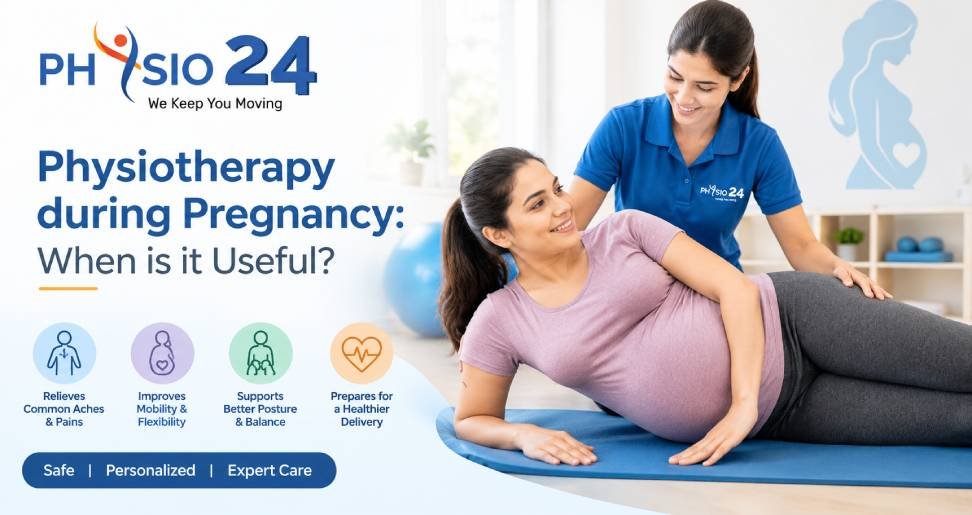
Pregnancy is an exciting journey, but the physical changes that occur during these nine months can sometimes cause discomfort, pain, and difficulty with everyday activities. As the baby grows, a woman’s body experiences changes in posture, balance, joint mobility, muscle strength, and pelvic floor function. These changes can contribute to lower back pain, pelvic discomfort, swollen-feeling or heavy legs, and difficulty moving comfortably.
This is where physiotherapy during pregnancy can make a meaningful difference. Pregnancy-specific physiotherapy focuses on managing physical discomfort, improving movement, supporting pelvic floor health, and helping expectant mothers remain active safely.
At Physio 24, understanding individual needs and providing appropriate physiotherapy guidance can help pregnant women manage physical changes with greater confidence. But when is physiotherapy useful during pregnancy, and what treatments may be appropriate? Let’s explore.
What Is Pregnancy Physiotherapy?
Pregnancy physiotherapy is a specialised approach to physical rehabilitation and exercise designed around the changing needs of an expectant mother. It involves assessing movement, posture, muscle function, and pain before developing a suitable treatment plan.
Unlike a general exercise routine, pregnancy-specific physiotherapy considers the stage of pregnancy, medical history, existing symptoms, activity level, and any pregnancy-related complications.
Depending on individual requirements, treatment may include gentle exercises, posture correction, breathing techniques, pelvic floor training, movement education, and appropriate hands-on techniques.
Professional guidance helps women understand which movements are suitable and how to modify daily activities as pregnancy progresses.
When Is Physiotherapy Useful During Pregnancy?
Physiotherapy may be helpful at different stages of pregnancy, particularly when physical changes begin affecting comfort, mobility, or daily routines.
1. Managing Lower Back Pain
Lower back pain is a common concern during pregnancy. As the abdomen grows, the body’s centre of gravity shifts, potentially changing posture and increasing the demands placed on the lower back muscles.
Pregnancy hormones also contribute to changes in joint and ligament flexibility.
A physiotherapist can assess posture, movement patterns, and muscle function to identify factors contributing to discomfort. Depending on the assessment, treatment may include gentle strengthening exercises, mobility activities, posture advice, and guidance on sitting, standing, and sleeping comfortably.
Women experiencing persistent or severe back pain should consult their healthcare provider to rule out other causes.
2. Relieving Pelvic Girdle Pain
Pelvic girdle pain can cause discomfort around the hips, groin, pubic bone, or lower back. Activities such as walking, climbing stairs, turning in bed, and standing on one leg may become difficult.
Pregnancy physiotherapy can help by teaching safer movement strategies and recommending exercises suited to the individual’s symptoms.
A physiotherapist may also suggest ways to reduce unnecessary strain, such as keeping the knees together when getting out of bed or a car and avoiding movements that aggravate pain.
Early assessment can help prevent discomfort from unnecessarily limiting everyday activities.
3. Strengthening the Pelvic Floor Muscles
The pelvic floor muscles support the bladder, bowel, and pelvic organs. Pregnancy places additional demands on these muscles, and some women experience urinary leakage, pelvic heaviness, or difficulty coordinating pelvic floor contractions.
A physiotherapist with appropriate pelvic health training can assess pelvic floor function and teach suitable exercises when indicated.
The goal is not simply to strengthen these muscles. Some women have an overactive or excessively tense pelvic floor and may benefit more from relaxation and coordination exercises.
Correct technique matters, so personalised guidance is preferable to repeatedly performing exercises without understanding individual needs.
4. Improving Posture and Everyday Mobility
As pregnancy progresses, standing, walking, working at a desk, and getting comfortable in bed may become more challenging.
Physiotherapy can provide practical strategies for managing these changes. Gentle mobility exercises, suitable strengthening activities, breathing techniques, and advice on body mechanics may improve comfort.
A physiotherapist can also help expectant mothers modify activities such as lifting, household tasks, and prolonged sitting.
These adjustments can support mobility without placing unnecessary demands on the body.
5. Preparing for Labour and Postpartum Recovery
Physiotherapy can also help women prepare for childbirth and recovery afterwards.
Depending on individual needs, sessions may include breathing awareness, pelvic floor coordination, relaxation techniques, comfortable movement positions, and education about managing physical demands during labour.
After delivery, physiotherapy may support a gradual return to everyday activities and exercise. Treatment can address pelvic floor symptoms, abdominal muscle function, scar-related discomfort when relevant, and persistent back or pelvic pain.
The timing and intensity of postpartum rehabilitation should depend on the type of delivery, recovery progress, symptoms, and advice from the healthcare team.
Which Physiotherapy Treatments May Be Suitable During Pregnancy?
Treatment should always be individualised. Not every technique is appropriate for every pregnant woman, and a qualified clinician should consider pregnancy stage, medical history, and any precautions before recommending an intervention.
Physiotherapy and Therapeutic Exercise
Physiotherapy is the central approach for assessing movement problems and selecting appropriate treatment. Depending on medical advice and individual circumstances, it may include gentle strengthening, mobility exercises, posture education, breathing practice, and pelvic floor rehabilitation.
Chiropractic Care
Chiropractic care generally focuses on musculoskeletal problems, including joint and spinal discomfort. Some pregnant women consider it for back or pelvic pain.
However, pregnancy requires specific precautions. Anyone considering chiropractic treatment should consult their obstetric healthcare provider and choose a practitioner experienced in pregnancy care. Forceful techniques and treatments involving unnecessary pressure on the abdomen should be avoided.
Osteopathic Manipulation
Osteopathic Manipulation may involve hands-on techniques intended to address musculoskeletal discomfort and movement restrictions.
During pregnancy, the suitability of manual treatment depends on the individual’s condition and the technique proposed. Gentle, pregnancy-appropriate approaches may be considered by a suitably trained professional, but evidence for specific techniques varies.
Expectant mothers should discuss treatment options with their obstetric provider before beginning manual therapy.
Dry Needling
Dry Needling is a technique involving fine needles inserted into selected muscle tissues to address certain musculoskeletal symptoms.
Its use during pregnancy requires particular caution. Evidence regarding safety and effectiveness in pregnant patients is limited for many applications, and some practitioners avoid it during pregnancy or restrict its use to specific circumstances.
Pregnant women should not assume that dry needling is suitable simply because they experience muscle pain. Discuss potential risks, alternatives, and the available evidence with an appropriately qualified healthcare professional before considering it.
Is Physiotherapy Safe During Pregnancy?
For most women with uncomplicated pregnancies, appropriately selected physical activity and pregnancy-specific physiotherapy can be beneficial. However, safety depends on individual health conditions and the type of intervention.
Before starting treatment, inform the physiotherapist about your pregnancy stage, medical history, current symptoms, and any advice or restrictions provided by your obstetric team.
Stop exercising and seek prompt medical assessment if you experience vaginal bleeding, fluid leakage, chest pain, dizziness, severe breathlessness, painful regular contractions, or other concerning symptoms. Severe abdominal pain or reduced fetal movement when movement monitoring is appropriate also requires urgent assessment.
Women with high-risk pregnancies or certain medical complications may need additional evaluation before undertaking exercise or hands-on treatment.
Why Choose Physio 24 for Physiotherapy Guidance?
Finding suitable support can make it easier to manage pregnancy-related discomfort and maintain everyday mobility.
Physio 24 provides physiotherapy-focused support for people experiencing musculoskeletal pain and movement difficulties. Expectant mothers looking for professional guidance can explore the clinic’s available services and discuss whether an individual assessment is appropriate for their needs.
Whether the concern involves back pain, pelvic discomfort, posture, or planning a gradual return to activity after childbirth, treatment should focus on personal goals, clinical assessment, and safe progression.
Explore relevant services such as [Physiotherapy], [Chiropractic], [Osteopathic Manipulation], and [Dry Needling] through the Physio 24 website, where available. These phrases can be linked to the corresponding service pages to help readers learn more about the clinic’s offerings. Pregnancy-specific suitability should always be confirmed before booking any intervention.
Conclusion
Physiotherapy during pregnancy can be useful for managing lower back pain, pelvic girdle discomfort, pelvic floor symptoms, posture changes, and mobility challenges. It can also help expectant mothers learn practical movement strategies and prepare for postpartum rehabilitation.
The most appropriate approach depends on the woman’s symptoms, stage of pregnancy, medical history, and healthcare provider’s recommendations. Exercises and hands-on treatments should never be selected solely on the assumption that they are safe for everyone.
With individual assessment and suitable professional guidance, Physio 24 can be a starting point for exploring physiotherapy support and learning how to manage pregnancy-related physical changes more comfortably.
Frequently Asked Questions ( FAQs ) :-
Ans :- You can seek advice whenever pain, discomfort, or movement difficulties arise. Early assessment may help identify suitable strategies before symptoms interfere significantly with daily activities.
Ans :- Yes. Appropriate physiotherapy may help manage back pain through exercise, movement education, posture advice, and other individually selected interventions.
Ans :- Some pregnancy-adapted musculoskeletal treatments may be considered after professional assessment. Consult your obstetric provider and choose a practitioner with appropriate pregnancy-specific training.
Ans :- Dry needling is not routinely appropriate for every pregnant patient. Because pregnancy-specific safety evidence is limited, discuss alternatives and potential risks with qualified healthcare professionals before considering it.
Ans :- Yes. Postpartum physiotherapy may help address pelvic floor symptoms, abdominal muscle function, persistent pain, and the gradual return to daily activities and exercise.


Leave a Reply
You must belogged in to post a comment.