


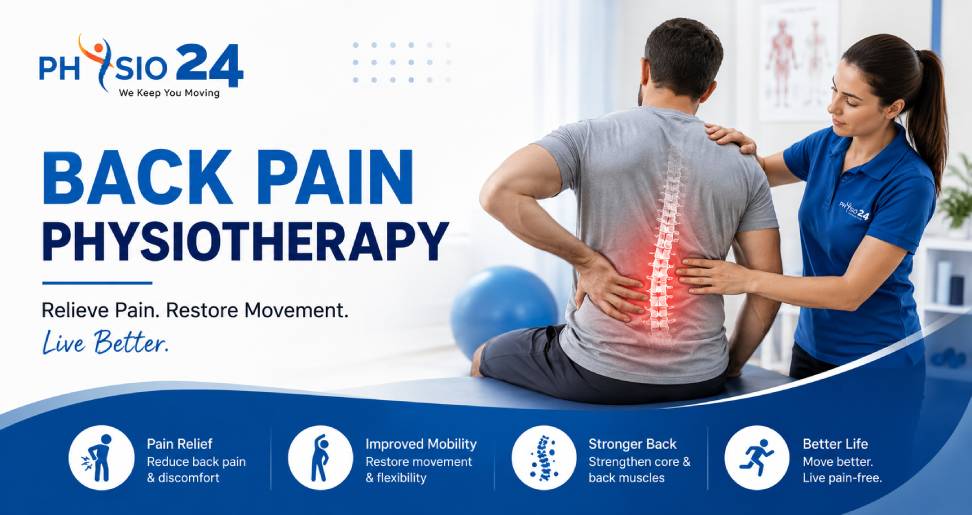
Back pain is one of the most common musculoskeletal problems affecting people of different ages. From long hours at a desk to physically demanding work, poor posture, muscle strain, and reduced physical activity, several factors can contribute to discomfort in the lower or upper back. When back pain begins interfering with work, sleep, walking, or everyday activities, physiotherapy can play an important role in improving movement and supporting recovery.
According to the World Health Organization (WHO), low back pain is the leading cause of disability worldwide, and rehabilitation can be beneficial across different stages of the condition.
What Is Back Pain Physiotherapy?
Back pain physiotherapy is a rehabilitation-based approach that focuses on identifying factors contributing to pain and improving physical function. Instead of simply addressing the painful area, a physiotherapist may evaluate posture, mobility, muscle strength, movement patterns, flexibility, and functional limitations.
The treatment plan is generally customized according to the person’s symptoms, physical condition, lifestyle, and recovery goals. Depending on the assessment, physiotherapy may include therapeutic exercises, manual therapy, movement education, posture correction, ergonomic guidance, and other clinically appropriate techniques.
For persistent low back pain, the WHO recommends non-surgical approaches that can include education, exercise programs, and selected physical therapies as part of individualized care.
Common Causes of Back Pain
Back pain can have many different causes. Some episodes develop suddenly, while others gradually become persistent.
Common contributing factors include:
- Poor sitting or standing posture
- Long periods of sedentary work
- Muscle strain or overuse
- Improper lifting techniques
- Weak core and supporting muscles
- Limited flexibility
- Sports-related injuries
- Repetitive physical activities
- Age-related changes
- Lack of regular physical activity
In many cases, low back pain is described as non-specific, meaning a particular structural cause cannot always be identified. WHO reports that non-specific low back pain accounts for approximately 90% of presentations.
This is why a proper assessment is important before beginning a treatment program.
Symptoms That May Require Physiotherapy
Back pain can feel different from person to person. Some people experience a mild, persistent ache, while others may have sharper discomfort during particular movements.
Possible symptoms include:
- Lower back stiffness
- Pain while sitting or standing for long periods
- Difficulty bending or straightening the back
- Muscle tightness
- Reduced flexibility
- Pain while changing positions
- Difficulty performing everyday activities
- Pain that may extend toward the buttocks or legs
Some people may also experience tingling, numbness, or weakness when nerve-related symptoms are involved. WHO notes that low back pain can sometimes occur alongside spine-related leg pain, including symptoms associated with nerve-root involvement.
If symptoms are severe, persistent, worsening, or accompanied by significant neurological symptoms, professional medical assessment should be sought rather than relying on self-treatment.
How Can Physiotherapy Help With Back Pain?
A physiotherapist can develop a rehabilitation program based on the individual’s condition and functional requirements.
1. Assessment and Movement Evaluation
The first step is understanding the patient’s symptoms and how they affect movement. A physiotherapist may examine posture, spinal mobility, muscle strength, flexibility, balance, and movement patterns.
This assessment helps determine which areas require attention and allows the treatment program to be adjusted according to the patient’s needs.
2. Therapeutic Exercise
Exercise is an important component of physiotherapy for many forms of back pain. Depending on the assessment, a program may include mobility exercises, strengthening exercises, stretching, core exercises, or functional movements.
WHO guidelines recognize structured exercise as one of the non-surgical approaches that can be considered for chronic primary low back pain.
The goal is not simply to exercise more, but to perform appropriate movements progressively and safely.
3. Manual Therapy
Depending on the patient’s condition, physiotherapists may use hands-on techniques to help address restricted movement, muscle tension, and functional limitations.
Manual therapy may be incorporated with exercise and other rehabilitation strategies rather than being considered a standalone solution for every patient.
4. Posture and Ergonomic Guidance
Poor workplace habits can contribute to recurring discomfort. Spending several hours sitting at a computer, using an unsuitable workstation, or maintaining the same position for extended periods may increase physical strain.
Physiotherapy can include advice on workstation setup, sitting habits, movement breaks, lifting techniques, and other practical strategies that can help reduce unnecessary strain.
5. Long-Term Strength and Prevention
Successful rehabilitation should focus on more than short-term pain relief. Improving strength, mobility, physical confidence, and movement habits can help individuals return to normal activities and better manage future episodes.
WHO also emphasizes remaining physically active, maintaining healthy lifestyle habits, improving sleep, and making appropriate ergonomic adjustments as part of self-management for non-specific low back pain.
Why Choose Professional Back Pain Physiotherapy in Kolkata?
People living in Kolkata have access to a range of physiotherapy and rehabilitation services, but choosing the right professional care is important. A good physiotherapy program should begin with an assessment rather than applying the same treatment to every patient.
Physio 24 offers physiotherapy and rehabilitation services in Kolkata, with care focused on pain management, movement restoration, and functional recovery. The clinic’s team includes Dr. Vikash Kumar Tarway, Chief Physiotherapist, who has qualifications and experience in orthopedic rehabilitation, manual therapy, and related physiotherapy specialties.
For people looking for an Orthopedic Physiotherapist Kolkata, professional assessment can be particularly useful when back pain is associated with musculoskeletal problems, injury, stiffness, reduced mobility, or difficulty performing everyday activities.
Integrated Physiotherapy for Different Pain Conditions
Back pain does not always occur independently. Some people experience multiple musculoskeletal problems involving the spine, shoulders, knees, or other areas.
For example, individuals who want to understand rehabilitation approaches for another common musculoskeletal problem can explore Best Treatment for Shoulder Pain with an Integrated Approach of Physiotherapy in Kolkata. This can help readers understand how physiotherapy may combine assessment, exercise, manual techniques, education, and rehabilitation depending on the condition.
At Physio 24, physiotherapy services include approaches such as manual therapy, dry needling, electrotherapy, therapeutic tapping, exercise-related guidance, and orthopedic rehabilitation, with treatment selected according to individual requirements.
When Should You See a Physiotherapist for Back Pain?
You may consider consulting a physiotherapist when back pain is affecting your daily routine, limiting movement, repeatedly returning, or making it difficult to participate in work, exercise, or other activities.
Early professional assessment can also help identify movement limitations and provide guidance on appropriate exercises and activity modification.
However, back pain can occasionally be associated with conditions requiring medical attention. Severe or rapidly worsening symptoms, significant weakness or numbness, pain following major trauma, fever, unexplained weight loss, or other concerning symptoms should be evaluated promptly by an appropriate healthcare professional.
Conclusion
Back pain can affect mobility, productivity, sleep, exercise, and overall quality of life. While many episodes improve with appropriate self-care, persistent or recurring symptoms may benefit from professional assessment and rehabilitation.
Back pain physiotherapy focuses on more than temporarily reducing discomfort. Through individualized assessment, therapeutic exercise, movement training, manual techniques, ergonomic education, and lifestyle guidance, physiotherapy can help people improve function and return to activities with greater confidence.
If you are looking for physiotherapy support in Kolkata, Physio 24 provides rehabilitation services with an emphasis on individualized assessment and functional recovery. Consulting a qualified physiotherapist can help determine the most appropriate approach for your specific symptoms and goals.


Leave a Reply
You must belogged in to post a comment.