


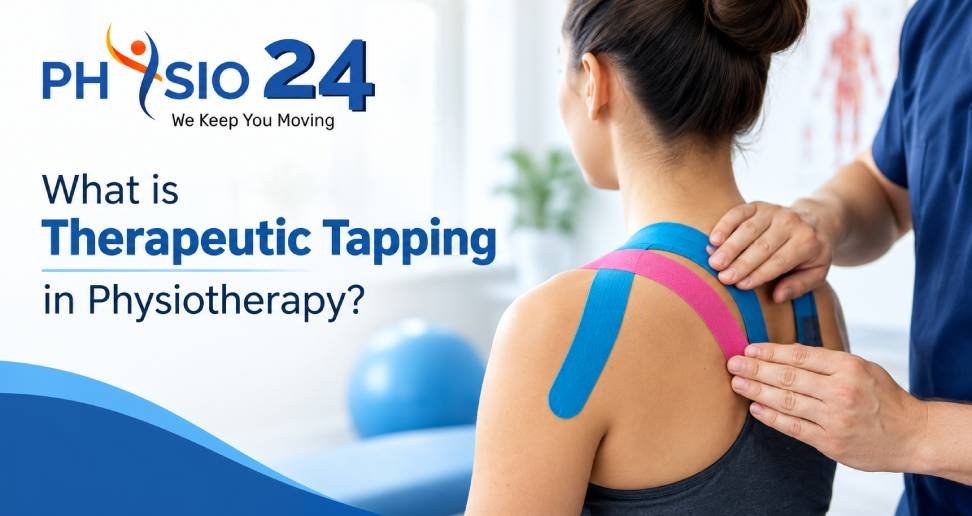
Therapeutic tapping is a hands-on technique used in physiotherapy to help manage muscle tension, support movement, and improve physical comfort. Depending on the method used, tapping may involve gentle rhythmic movements applied to the skin and underlying soft tissues or specialised elastic therapeutic tape applied to specific areas of the body. These approaches are used for different purposes, but both aim to support rehabilitation when appropriate.
People experiencing muscle tightness, sports injuries, back pain, or movement restrictions may benefit from a personalised physiotherapy programme that includes suitable manual techniques and therapeutic exercises. Understanding how therapeutic tapping works, its potential benefits, and its limitations can help patients make informed decisions about their treatment.
At Physio 24, patients can explore physiotherapy and other rehabilitation approaches designed to address pain, improve mobility, and support their recovery goals.
What Is Therapeutic Tapping?
Therapeutic tapping is a term that can describe different techniques used by healthcare professionals to stimulate the skin, muscles, and surrounding tissues. In physiotherapy, rhythmic manual tapping may be used as part of soft-tissue treatment, while kinesiology taping involves applying specialised elastic tape to the skin.
The technique selected depends on the patient’s symptoms, physical condition, and treatment objectives.
Manual tapping may be used alongside other hands-on techniques to help patients become more comfortable with movement or prepare muscles for exercise. Kinesiology tape, on the other hand, is often applied to provide sensory feedback, support movement awareness, or help manage certain symptoms.
It is important to understand that therapeutic tapping is not a universal treatment for every type of pain. A physiotherapist should assess the underlying problem before recommending any particular technique.
How Does Therapeutic Tapping Work?
The effects of therapeutic tapping depend on the technique being used.
1. Sensory Stimulation
Gentle tapping stimulates sensory receptors in the skin. This sensory input may influence how a person perceives discomfort and becomes aware of the affected body part. Some patients find that tactile stimulation helps them feel more comfortable during movement.
However, the effectiveness of tapping for pain relief varies, and it should not be considered a guaranteed way to reduce pain.
2. Muscle Relaxation and Comfort
Rhythmic manual techniques may help some patients relax and tolerate movement more comfortably. When combined with appropriate stretching, strengthening, and mobility exercises, these techniques can form part of a broader rehabilitation programme.
3. Movement Awareness
Kinesiology tape provides ongoing sensory feedback while a person moves. This feedback may help some individuals become more aware of posture, joint position, or movement patterns.
Tape does not mechanically stabilise every joint or replace the strength and control developed through rehabilitation exercises.
4. Support During Rehabilitation
Therapeutic tapping techniques may be incorporated into treatment for selected musculoskeletal conditions. Their role is generally supportive, with the main focus remaining on restoring movement, improving strength, and helping patients return to everyday activities.
Benefits of Therapeutic Tapping in Physiotherapy
When appropriately selected, therapeutic tapping may offer several potential benefits as part of a comprehensive treatment plan.
1. May Help Manage Pain
Some people experience temporary improvements in pain or movement comfort after suitable tactile stimulation or taping. Results differ between individuals, and evidence supporting these methods varies according to the condition and technique.
2. Supports Movement and Flexibility
When discomfort limits normal movement, a physiotherapist may use manual techniques alongside mobility exercises to help patients gradually regain confidence and improve their range of motion.
3. May Assist Sports Rehabilitation
Athletes sometimes use kinesiology tape as an additional measure during rehabilitation. It may provide sensory feedback or short-term symptom relief for selected injuries, but it does not replace appropriate loading, strengthening, or sport-specific exercises.
4. Encourages Body Awareness
Tactile stimulation and taping may help some patients pay closer attention to how they move. This can be useful when combined with professional guidance and exercises designed to improve movement control.
5. Complements Individualised Treatment
Therapeutic tapping may be one component of a wider physiotherapy plan. Depending on the patient’s needs, treatment may also include education, manual therapy, strengthening, balance training, and functional exercises.
Common Conditions Where Therapeutic Tapping May Be Used
A physiotherapist may consider tapping or taping techniques for selected patients with:
- Muscle tightness: As an adjunct to movement exercises and other soft-tissue techniques.
- Sports-related discomfort: To support symptom management during an appropriate rehabilitation programme.
- Shoulder discomfort: In selected cases where taping may provide short-term sensory support.
- Knee pain: As a supplementary technique alongside strengthening and movement retraining.
- Postural and movement difficulties: When sensory feedback may help improve awareness of movement.
- General musculoskeletal pain: When assessment suggests that a gentle manual technique may be appropriate.
The suitability of each technique depends on the diagnosis, severity of symptoms, and individual health factors. Persistent pain, significant swelling, unexplained weakness, or a recent serious injury requires proper assessment rather than relying on tapping alone.
Therapeutic Tapping vs. Other Physiotherapy Techniques
Therapeutic tapping is only one of several approaches that may be considered during rehabilitation. Other techniques have different purposes and should be selected according to clinical needs.
Physiotherapy
Physiotherapy is a broad healthcare discipline that helps people manage pain, improve mobility, restore physical function, and recover from injury. Treatment may include exercise therapy, movement education, manual techniques, and functional rehabilitation.
At Physio 24, patients can explore Physiotherapy Services for guidance on managing musculoskeletal problems and developing an appropriate recovery plan.
Chiropractic
Chiropractic care commonly focuses on musculoskeletal conditions, particularly those affecting the spine and joints. Depending on the practitioner and the patient’s condition, treatment may involve manual techniques, movement advice, and exercises.
Chiropractic treatment is different from therapeutic tapping. The appropriate approach depends on the patient’s symptoms, medical history, and clinical assessment.
Osteopathic Manipulation
Osteopathic Manipulation involves hands-on techniques intended to address musculoskeletal symptoms and movement restrictions. The specific techniques used depend on the practitioner, the patient’s condition, and the treatment setting.
It is not the same as tapping, although both may involve hands-on interaction with body tissues. Patients should discuss the potential benefits and risks of manual treatment with a qualified healthcare professional.
Dry Needling
Dry Needling uses fine, solid needles inserted into selected tissues, often targeting areas of muscle sensitivity or myofascial trigger points. It differs substantially from therapeutic tapping because it involves needle insertion rather than surface stimulation.
Dry Needling may be considered for certain musculoskeletal complaints, but it is not suitable for everyone. It should be performed only by an appropriately trained professional following a thorough assessment and appropriate safety procedures.
What to Expect During a Therapeutic Tapping Session
A physiotherapy session generally begins with an assessment of symptoms, movement, medical history, and functional limitations. The physiotherapist then determines whether tapping, taping, or another intervention is appropriate.
If manual tapping is selected, the practitioner may apply controlled, rhythmic movements to a suitable area. If kinesiology taping is recommended, the skin is prepared and the tape is applied according to the intended treatment goal.
The session may also include exercises, movement training, or other rehabilitation strategies. Patients should communicate any discomfort, skin irritation, or unusual symptoms during treatment.
The physiotherapist may review progress over subsequent sessions and adjust the treatment plan according to the patient’s response.
Is Therapeutic Tapping Safe?
Therapeutic tapping and kinesiology taping are generally well tolerated when used appropriately, but they are not risk-free.
People with sensitive skin, skin infections, open wounds, allergies to adhesive products, or certain medical conditions may need to avoid specific techniques or receive modified treatment. Vigorous tapping should not be applied over fractures, acute injuries, or areas where it could worsen symptoms.
Tape should be removed if it causes significant itching, burning, redness, or blistering. Patients with unexplained pain or worsening symptoms should seek medical assessment.
Most importantly, tapping should not delay diagnosis or appropriate treatment for a potentially serious condition.
Why Choose Physio 24 for Physiotherapy and Rehabilitation?
Choosing the right physiotherapy approach begins with understanding the cause of the problem rather than focusing on a single treatment technique.
Physio 24 offers a rehabilitation-focused approach for people seeking support with pain management, movement difficulties, and recovery from musculoskeletal conditions. Depending on individual needs, treatment discussions may include Physiotherapy, Chiropractic, Osteopathic Manipulation, and Dry Needling.
The appropriate combination of treatments should be determined by a qualified professional following an individual assessment. A structured recovery plan can help patients work towards improved mobility, better physical function, and a safer return to daily activities.
If you are experiencing persistent muscle discomfort, joint pain, or movement restrictions, consider exploring Physio 24’s Physiotherapy Services to learn more about available care options.
Conclusion
Therapeutic tapping is an umbrella term that may refer to rhythmic manual stimulation or, in some contexts, therapeutic taping. These techniques may provide sensory feedback or short-term improvements in comfort for selected patients, but their benefits vary depending on the method and condition being treated.
For lasting rehabilitation, tapping is best considered a possible supplement to evidence-informed physiotherapy rather than a standalone solution. Appropriate assessment, targeted exercises, movement education, and individualised treatment remain central to recovery.
With professional guidance from Physio 24, patients can explore suitable rehabilitation options, including Physiotherapy, Chiropractic, Osteopathic Manipulation, and Dry Needling, according to their needs and treatment goals.


Leave a Reply
You must belogged in to post a comment.