Make an appointment Make an appointment

Chiropractic

Laser Therapy in Physiotherapy
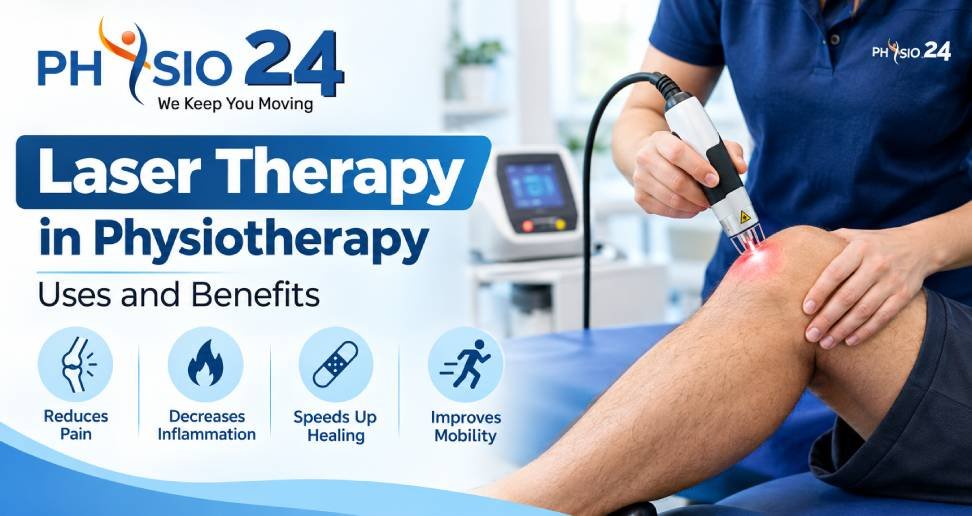
Laser Therapy in Physiotherapy: Uses and Benefits 972 516 developer

Laser Therapy in Physiotherapy: Uses and Benefits

Laser therapy is becoming an increasingly popular treatment option in modern physiotherapy because of its potential to help manage pain, support tissue healing, and improve movement. From sports injuries and muscle strains to persistent joint discomfort, laser therapy may be used as part of a personalised rehabilitation programme to support recovery.

For people experiencing pain or restricted mobility, understanding how laser therapy works and when it may be beneficial can help them make informed decisions about their treatment. At Physio 24×7, patients can explore individualised physiotherapy and complementary manual therapy options designed around their symptoms, mobility, and recovery goals.

What Is Laser Therapy in Physiotherapy?

Laser therapy is a non-invasive treatment that uses specific wavelengths of light to interact with tissues in the body. In physiotherapy, it is commonly associated with low-level laser therapy (LLLT), also known as photobiomodulation therapy. Depending on the equipment and clinical purpose, other therapeutic laser systems may also be used.

Unlike surgical lasers, low-level therapeutic lasers are generally designed to deliver light without cutting or significantly heating the tissue. The treatment aims to influence cellular processes that may contribute to pain relief, inflammation management, and tissue repair.

A physiotherapist may consider laser therapy alongside exercises, movement training, and other rehabilitation techniques. Its suitability depends on the patient’s condition, medical history, treatment goals, and the available scientific evidence for the specific problem.

How Does Laser Therapy Work?

Laser therapy delivers light energy to the targeted area. Certain wavelengths can be absorbed by components within cells, potentially influencing cellular energy production and signalling pathways involved in tissue responses.

Researchers have investigated whether these effects can help regulate inflammation, influence pain signalling, and support the body’s natural healing processes. However, results vary according to the condition being treated, the laser’s wavelength, the dosage, and the treatment protocol.

Laser therapy is not an instant cure for every painful condition. It is best considered one possible component of a broader rehabilitation plan rather than a replacement for appropriate medical assessment or active treatment.

Common Uses of Laser Therapy in Physiotherapy

Laser therapy may be considered for several musculoskeletal conditions, depending on the clinical assessment.

1. Muscle Strains and Soft Tissue Injuries

Muscle strains, ligament injuries, and other soft tissue problems can cause discomfort, swelling, and difficulty performing everyday activities. Laser therapy may be used alongside graded exercises and other physiotherapy interventions to support symptom management.

Rehabilitation typically focuses on restoring strength, flexibility, coordination, and confidence in movement while allowing the injured tissues to recover.

2. Joint Pain and Stiffness

People experiencing knee, shoulder, elbow, or other joint pain may be assessed for laser therapy as part of their treatment plan. Some evidence suggests that specific laser protocols may help reduce pain in selected conditions, including certain cases of osteoarthritis.

However, outcomes are not consistent across all joint conditions. Exercise, appropriate activity modification, and strengthening remain important parts of effective joint rehabilitation.

3. Tendon-Related Problems

Tendon conditions, including some cases of tendinopathy, can lead to persistent pain during movement or exercise. Laser therapy may be considered as an additional intervention where clinically appropriate.

A comprehensive programme should also address tendon loading, progressive strengthening, activity levels, and contributing movement patterns. Laser treatment alone is unlikely to resolve every underlying cause of tendon pain.

4. Sports Injuries and Recovery

Athletes and physically active individuals may experience muscle soreness, tendon irritation, and other sports-related injuries. Laser therapy may be incorporated into a rehabilitation programme to help manage symptoms and support a gradual return to activity.

The treatment plan should prioritise restoring functional strength, balance, coordination, and sport-specific movement before returning to full training or competition.

5. Neck and Back Pain

Neck and back pain can arise from several factors, including muscle tension, joint problems, reduced mobility, and changes in activity tolerance. In selected cases, laser therapy may be considered to help manage symptoms.

A thorough assessment is essential because persistent or severe spinal pain may require further medical investigation. Education, therapeutic exercise, and appropriate movement strategies are often central to long-term improvement.

Key Benefits of Laser Therapy

When used appropriately, laser therapy may offer several potential benefits:

  • Non-invasive treatment: It does not involve surgical incisions and is generally painless when delivered using suitable low-level laser protocols.
  • Potential pain relief: Some patients may experience a reduction in pain, depending on the condition and treatment parameters.
  • Support for tissue recovery: Photobiomodulation may influence cellular processes associated with tissue repair, although clinical benefits vary.
  • Convenient treatment sessions: Low-level laser applications are often relatively brief, making them possible to incorporate into a wider physiotherapy appointment.
  • Combination with rehabilitation: It can be used alongside exercise, manual therapy, and movement retraining when appropriate.
  • Individualised care: A physiotherapist can assess whether laser therapy is suitable and monitor changes in pain, mobility, and daily function.

It is important to understand that these are potential benefits, not guaranteed outcomes. Scientific evidence differs between conditions, and some patients may experience little or no improvement.

Laser Therapy Alongside Other Physiotherapy Treatments

Successful rehabilitation often involves more than one treatment technique. At Physio 24×7, a comprehensive approach can include physiotherapy and other clinically appropriate interventions to address pain, movement restrictions, and functional difficulties.

Physiotherapy

Physiotherapy focuses on improving movement, strength, flexibility, balance, and physical function. Depending on the patient’s needs, treatment may include therapeutic exercises, mobility training, education, and suitable pain-management strategies. Laser therapy, when indicated, may complement these interventions.

Chiropractic

Chiropractic care may involve hands-on techniques directed at selected musculoskeletal complaints. A qualified practitioner can assess whether appropriate manual techniques may complement an individual’s rehabilitation programme. Treatment should be based on the person’s symptoms, medical history, and clinical suitability.

Osteopathic Manipulation

Osteopathic Manipulation involves manual techniques intended to address selected movement restrictions and musculoskeletal symptoms. When appropriate, it may be integrated into a wider care plan that also includes exercise, education, and functional rehabilitation.

Dry Needling

Dry Needling is a technique in which a trained practitioner inserts fine needles into selected muscle or other targeted tissues to address particular musculoskeletal symptoms. It may be considered for certain cases of muscle pain or movement restriction following a suitable assessment.

These approaches are not interchangeable, and no single technique is appropriate for everyone. A personalised treatment plan should prioritise interventions supported by evidence for the patient’s specific condition.

Note: The links above are placeholders for service-page linking. Replace them with the exact Physiotherapy, Chiropractic, Osteopathic Manipulation, and Dry Needling URLs on the official Physio 24×7 website before publishing.

Is Laser Therapy Safe?

Low-level laser therapy is generally well tolerated when administered by a trained professional using appropriate equipment and safety procedures. Nevertheless, precautions are essential.

Protective eyewear should be used as required, and the laser must never be directed into the eyes. Treatment also requires careful consideration around areas or circumstances where laser exposure may be inappropriate, including suspected malignancies in the treatment area and certain pregnancy-related situations.

Patients should disclose relevant medical conditions, medications, pregnancy, and any unexplained symptoms before treatment. High-intensity therapeutic lasers have different risks from low-level devices, so the type of equipment matters.

A qualified healthcare professional can determine whether laser therapy is appropriate and whether further medical assessment is needed.

What to Expect During a Laser Therapy Session

Treatment generally begins with an assessment of symptoms, medical history, movement, and functional limitations. The practitioner then determines whether laser therapy is suitable and selects the relevant treatment parameters.

During the session, the device is applied to the targeted area according to the prescribed protocol. Patients may feel little or no sensation during low-level laser treatment. The practitioner may then recommend exercises, mobility work, or other rehabilitation techniques.

Progress should be reviewed over time. If symptoms worsen, new symptoms develop, or the expected improvement does not occur, the treatment plan should be reassessed.

Why Choose Physio 24×7 for Your Rehabilitation Needs?

Choosing the right physiotherapy provider can make it easier to understand your condition and work towards meaningful recovery goals. Physio 24×7 promotes a patient-focused approach that considers symptoms, movement, daily activities, and individual rehabilitation needs.

Whether you are dealing with joint discomfort, a sports injury, muscle tightness, or restricted mobility, a professional assessment can help identify suitable treatment options. Depending on your condition, your care plan may include Physiotherapy, Chiropractic, Osteopathic Manipulation, Dry Needling, and other appropriate interventions.

The goal is not simply to reduce discomfort temporarily but to help you improve function, build physical confidence, and return to activities that matter to you.

Conclusion

Laser therapy is a promising treatment option within modern physiotherapy, particularly when considered for selected musculoskeletal conditions. It may help manage pain and support recovery, but its effectiveness depends on the diagnosis, treatment protocol, and individual response.

Combining appropriate treatment with exercise, education, and a personalised rehabilitation plan can provide a more comprehensive approach to recovery. If pain or restricted movement is affecting your daily life, consult Physio 24×7 to discuss your symptoms and explore suitable physiotherapy options.
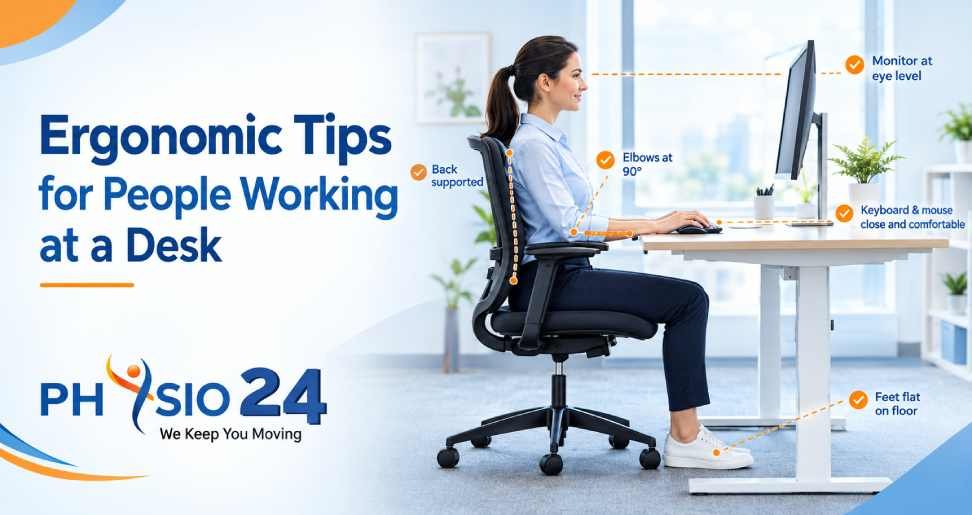
Ergonomic Tips for People Working at a Desk
Ergonomic Tips for People Working at a Desk: Improve Posture and Prevent Pain 972 515 developer

Ergonomic Tips for People Working at a Desk: Improve Posture and Prevent Pain

Working at a desk for long hours has become a regular part of modern life. Whether you work from home or in an office, spending most of the day sitting in front of a computer can affect your posture, flexibility, and overall physical well-being. Poor workstation arrangements, prolonged sitting, and repetitive movements may contribute to back pain, neck stiffness, shoulder tension, and wrist discomfort.

The good news is that small changes to your workspace and daily routine can make a significant difference. Practising proper ergonomics helps you maintain a comfortable working position, reduce unnecessary strain, and support better movement throughout the day.

In this guide, we explore practical ergonomic tips for desk workers and explain how professional services such as Physiotherapy, Chiropractic, Osteopathic Manipulation, and Dry Needling may help manage work-related musculoskeletal discomfort.

1. Adjust Your Chair for Proper Posture

Your office chair plays an important role in supporting your spine during extended working hours. An unsuitable chair or incorrect sitting position can place additional stress on your lower back and hips.

Follow these tips to improve your sitting posture:

  • Keep your feet flat on the floor or use a footrest if necessary.
  • Adjust your chair so your knees are approximately level with your hips or slightly lower.
  • Sit back in the chair and use the backrest to support your lower back.
  • Keep your shoulders relaxed rather than raised or rounded forward.
  • Avoid sitting on the edge of your chair for extended periods.

If your chair has adjustable lumbar support, position it to support the natural inward curve of your lower back.

Remember that good posture does not mean holding one rigid position all day. Changing positions regularly is just as important as maintaining a comfortable sitting posture.

2. Position Your Monitor at Eye Level

The position of your computer monitor can influence how you hold your head and neck throughout the working day. A screen placed too low may encourage you to bend your neck forward, while a screen positioned too high can cause neck strain.

For a more comfortable setup:

  • Position the monitor directly in front of you.
  • Place the top of the screen at or slightly below eye level, depending on your comfort.
  • Keep the screen approximately an arm’s length away and adjust it for readability.
  • Increase the text size if you frequently lean forward to read.
  • Position the screen to minimise glare from windows and overhead lights.

Laptop users may benefit from a laptop stand combined with an external keyboard and mouse. This arrangement allows the screen to sit higher while keeping the arms in a more comfortable position.

3. Keep Your Keyboard and Mouse Within Easy Reach

Reaching repeatedly for a keyboard or mouse can increase tension in your shoulders, forearms, and wrists. A well-arranged desk helps keep your upper body relaxed while you work.

Place your keyboard and mouse close enough that you can use them without stretching your arms. Keep your elbows near your sides and approximately at a right angle, adjusting your workstation to suit your body.

Your wrists should remain relatively straight while typing. Avoid resting them against hard desk edges or bending them sharply upward or sideways.

If you experience frequent wrist discomfort, review your keyboard height, mouse position, and typing habits. Persistent pain, tingling, numbness, or weakness should be assessed by a qualified healthcare professional.

4. Take Regular Movement Breaks

Even a carefully designed workstation cannot eliminate the effects of sitting in one position for too long. Regular movement helps break up prolonged sitting and gives your muscles and joints opportunities to change position.

Try incorporating these habits into your working day:

  • Stand up and move around regularly.
  • Walk briefly between meetings or during phone calls.
  • Change your sitting position throughout the day.
  • Perform gentle shoulder rolls and comfortable neck movements.
  • Alternate between sitting and standing if you have an adjustable desk.

You can also use reminders to encourage movement between tasks. Rather than waiting until you feel stiff, build short activity breaks into your daily schedule.

The objective is not to maintain perfect posture every minute. It is to avoid remaining in the same position for unnecessarily long periods.

5. Incorporate Simple Desk Stretches

Gentle stretching can help reduce feelings of stiffness associated with prolonged desk work. Choose movements that feel comfortable and avoid forcing any stretch.

Neck movements: Slowly turn your head from side to side within a comfortable range. Avoid sudden movements or pushing your head into an uncomfortable position.

Shoulder rolls: Gently roll your shoulders backward and forward to reduce tension around the upper back and shoulders.

Chest stretch: Stand near a doorway, place your forearms against the frame if comfortable, and gently move forward until you feel a mild stretch across your chest.

Wrist movements: Open and close your hands, move your wrists gently, and relax your fingers between periods of typing.

Standing movement: Stand up, walk briefly, and gently move your hips and ankles after extended sitting.

Stop any movement that causes sharp pain, dizziness, tingling, or worsening symptoms. If you have an existing injury or persistent discomfort, seek professional guidance before starting a stretching routine.

6. Maintain a Comfortable Desk Environment

Your overall workstation arrangement can affect how comfortably you work throughout the day. In addition to your chair and monitor, consider your desk height, lighting, and available space.

Keep frequently used items within easy reach so you do not repeatedly twist your body or stretch your arms. Ensure that your feet have enough room underneath the desk and that cables do not obstruct movement.

Good lighting also matters. Position your monitor to reduce reflections and adjust screen brightness to a comfortable level. If you regularly use a phone while working, consider a headset or speaker function instead of holding the phone between your ear and shoulder.

A practical ergonomic setup should support your individual needs rather than force you into an uncomfortable standard position.

7. Understand the Role of Physiotherapy in Desk-Related Pain

If neck stiffness, back pain, shoulder discomfort, or repetitive strain symptoms continue despite improving your workstation, professional assessment may help identify contributing factors.

Physiotherapy focuses on assessing movement, improving mobility, building strength, and helping people manage pain. A physiotherapist may recommend tailored exercises, posture education, activity modifications, and a gradual return to comfortable movement.

For office workers, a personalised plan may address reduced mobility, muscular weakness, movement habits, and difficulties performing everyday activities.

Physio 24 offers physiotherapy-related services for people seeking support with pain management, movement, and physical rehabilitation. You can explore the relevant services on the Physio 24 website and use the appropriate service-page links within your website when discussing specific treatment options.

Seeking advice early can be helpful when symptoms interfere with work, sleep, exercise, or daily activities.

8. Explore Chiropractic and Osteopathic Manipulation

Chiropractic and Osteopathic Manipulation are manual approaches that may be used to address selected musculoskeletal problems.

Chiropractic care commonly focuses on the assessment and management of musculoskeletal conditions, particularly those involving the spine. Depending on the individual’s condition and clinical assessment, care may include manual techniques, movement advice, and exercises.

Osteopathic Manipulation involves hands-on techniques intended to assess and address movement restrictions and musculoskeletal discomfort. The techniques selected should be appropriate for the individual’s symptoms, medical history, and treatment goals.

These approaches are not necessary for every desk worker, and neither guarantees a cure for work-related pain. A qualified practitioner should explain the expected benefits, potential risks, and suitable alternatives before treatment.

If you are considering these services through Physio 24, check the website’s relevant service information and confirm practitioner qualifications and availability before booking.

9. Understand When Dry Needling May Help

Dry Needling is a technique in which a trained practitioner inserts fine needles into selected tissues, often targeting muscular trigger points or areas of discomfort. It may be considered as one component of a broader musculoskeletal treatment plan.

Some people seek Dry Needling for muscle tension or discomfort associated with prolonged desk work. However, its effectiveness varies depending on the condition, and it should not replace an appropriate assessment, movement programme, or ergonomic changes.

Treatment should only be provided by a suitably trained and qualified professional who follows appropriate safety and hygiene procedures.

If you are exploring Dry Needling as part of your care, discuss the potential benefits, risks, and alternatives with your practitioner.

10. Build Healthy Desk-Working Habits

Long-term comfort depends on consistent habits rather than a single ergonomic adjustment. Start with a few practical changes and gradually introduce additional improvements.

Set up your chair and monitor correctly, keep your keyboard within easy reach, take regular movement breaks, and include appropriate physical activity in your daily routine. Make time for exercise outside working hours to support general strength, endurance, and mobility.

Pay attention to early warning signs. Persistent pain, increasing stiffness, numbness, weakness, or symptoms that interfere with normal activities deserve professional assessment rather than being dismissed as an unavoidable part of office work.

Conclusion

Ergonomic tips for people working at a desk can help create a more comfortable workspace and reduce unnecessary physical strain. Correct chair adjustment, monitor positioning, comfortable keyboard use, regular movement, and gentle stretching all contribute to healthier working habits.

When discomfort persists, professional support may help you understand its causes and develop a suitable management plan. Physiotherapy, Chiropractic, Osteopathic Manipulation, and Dry Needling may have a role in selected cases, depending on individual needs and clinical assessment.

Physio 24 can be a starting point for exploring physiotherapy and related musculoskeletal care options. Visit Physio24.in to learn more about the available services and identify appropriate support for improving movement and managing discomfort.

By combining better workstation ergonomics with regular movement and informed healthcare decisions, desk workers can take practical steps towards greater comfort and improved everyday well-being.

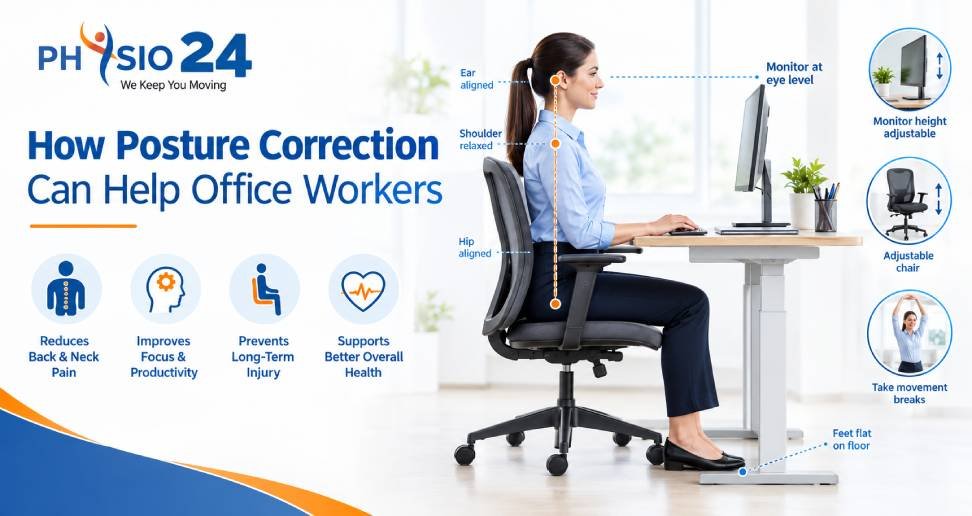
How Posture Correction Can Help Office Workers
How Posture Correction Can Help Office Workers: Benefits, Techniques, and Tips 972 516 developer

How Posture Correction Can Help Office Workers: Benefits, Techniques, and Tips

Office workers spend a significant portion of their day sitting at desks, working on computers, attending meetings, and managing daily tasks. Although these activities may seem harmless, maintaining the same position for extended periods can contribute to neck pain, back discomfort, shoulder stiffness, and muscle fatigue. Over time, poor posture and limited movement may affect comfort, concentration, and overall physical well-being.

Posture correction for office workers is an important part of maintaining a healthy working routine. By improving sitting habits, adjusting workstation ergonomics, and incorporating appropriate exercises, employees can reduce unnecessary strain on their bodies and support better movement throughout the day.

In this blog, we explore how posture correction works, its benefits for office workers, and practical ways to develop healthier posture habits.

What Is Posture Correction?

Posture correction involves improving the alignment and positioning of the body while sitting, standing, walking, or performing everyday activities. Good posture helps distribute physical stress more evenly across muscles, joints, and supporting structures.

For office workers, posture correction often focuses on maintaining a comfortable spinal position, keeping the shoulders relaxed, positioning the computer screen correctly, and avoiding prolonged periods of slouching.

However, good posture does not mean holding one rigid position throughout the day. The human body is designed to move, and regularly changing positions is just as important as maintaining a comfortable alignment.

With guidance from a qualified physiotherapist, individuals can identify their postural habits and develop strategies suited to their specific needs.

Common Posture Problems Among Office Workers

Several workplace habits can contribute to postural discomfort.

1. Forward Head Posture

Forward head posture occurs when the head moves forward relative to the shoulders. It can develop when workers lean toward computer screens, look down at laptops, or frequently use mobile phones.

This position may increase the workload on the neck and upper-back muscles, contributing to stiffness and discomfort.

2. Rounded Shoulders

Sitting with the shoulders rolled forward for extended periods can affect upper-body positioning. This habit is common among people who type continuously or work on laptops without appropriate desk arrangements.

Shoulder mobility exercises and adjustments to workstation positioning may help improve comfort.

3. Slouched Sitting

Slouching often involves allowing the lower back to collapse, rounding the upper back, and positioning the head forward. Remaining in this position for long periods may contribute to back discomfort and muscle fatigue.

Using suitable back support and taking regular movement breaks can help reduce prolonged loading.

4. Incorrect Desk and Screen Height

A monitor positioned too low or too high may encourage workers to bend their necks or raise their shoulders. Similarly, an unsuitable chair or incorrectly positioned keyboard can create unnecessary strain.

These problems can often be addressed through simple ergonomic adjustments.

How Posture Correction Helps Office Workers

Posture correction can improve workplace comfort and encourage healthier movement patterns. Its benefits depend on individual circumstances, consistency, and the underlying cause of any discomfort.

1. Helps Reduce Neck and Back Discomfort

Neck and back discomfort are common concerns among people who work at desks for long hours. Poor workstation positioning, repetitive movements, and prolonged static postures may contribute to these symptoms.

Posture correction encourages a more comfortable working position and reduces avoidable strain. Adjusting the chair, supporting the lower back, and positioning the monitor at a suitable height can help.

Targeted exercises may also improve flexibility, strength, and movement control.

If pain persists, becomes severe, or interferes with everyday activities, professional assessment can help identify the underlying cause.

2. Improves Muscle Balance and Flexibility

Spending much of the day sitting may reduce opportunities to move the hips, shoulders, and spine through their normal ranges.

A posture correction programme may include mobility exercises, gentle stretching, and strengthening activities designed around individual needs.

For example, chest stretches may help address tightness associated with prolonged forward-shoulder positioning, while exercises targeting the upper back can support shoulder control.

The goal is not simply to pull the shoulders backward. It is to develop balanced movement, adequate strength, and comfortable positioning.

3. Supports Better Workplace Ergonomics

Posture correction becomes more effective when combined with an appropriately arranged workstation.

Office workers can make the following adjustments:

  • Keep the monitor directly in front of the body and at a comfortable viewing height.
  • Position the keyboard and mouse so the shoulders remain relaxed and the elbows stay close to the body.
  • Use a chair that supports the back comfortably.
  • Keep the feet supported by the floor or a footrest.
  • Avoid holding the phone between the shoulder and ear.
  • Place frequently used items within easy reach.

These small changes can make it easier to work comfortably without constantly leaning forward or twisting.

4. Encourages Better Movement Habits

Even a well-arranged workstation cannot compensate for remaining still throughout the entire working day.

Regular movement breaks help office workers change positions, move their joints, and reduce prolonged static loading.

Consider standing briefly between meetings, walking while taking phone calls, or performing gentle shoulder rolls during breaks. A short walk every 30–60 minutes can serve as a useful reminder to move, although the ideal frequency depends on the person and their working conditions.

Movement should be comfortable and adapted to individual ability.

5. May Improve Comfort and Concentration

When employees experience recurring stiffness or discomfort, it may become harder to focus on demanding tasks. Taking frequent breaks to manage pain can also interrupt workflow.

Improving workstation comfort, incorporating movement, and addressing persistent musculoskeletal symptoms may help employees feel more comfortable during working hours.

Posture correction is not a guaranteed way to increase productivity, but creating a healthier working environment can support employee well-being and make daily tasks easier to manage.

Simple Posture Correction Exercises for Office Workers

The following exercises can be incorporated into a workplace routine, provided they are comfortable and appropriate for the individual.

1. Chin Tucks

Sit comfortably and look straight ahead. Gently draw the chin backward without tilting the head down. Hold for three to five seconds, then relax. Repeat five to ten times.

Benefit: Encourages neck control and awareness of head positioning.

2. Shoulder Blade Squeezes

Sit or stand with your shoulders relaxed. Gently draw the shoulder blades toward each other without shrugging. Hold for three to five seconds and repeat eight to ten times.

Benefit: Promotes awareness and control of the upper-back muscles.

3. Gentle Chest Stretch

Stand near a doorway and place your forearm against the doorframe. Slowly turn your body away until you feel a gentle stretch across the chest. Hold for 15–20 seconds without forcing the movement.

Benefit: May improve chest flexibility and make a comfortable shoulder position easier to maintain.

4. Standing Movement Breaks

Stand up, walk around, and gently move your hips and shoulders. Alternate between sitting and standing according to your comfort and work requirements.

Benefit: Breaks up prolonged sitting and encourages regular movement.

Stop any exercise that causes sharp pain, dizziness, tingling, or worsening symptoms. Seek professional advice if you have an existing injury or medical condition that affects movement.

The Role of Physiotherapy in Posture Correction

While ergonomic adjustments and regular movement can be helpful, some office workers need individualised support to address persistent discomfort or movement difficulties.

A qualified physiotherapist can assess posture, joint mobility, muscle strength, movement patterns, and workplace habits. Based on the findings, they can develop a treatment plan that may include therapeutic exercises, education, manual therapy when appropriate, and strategies for managing daily activities.

Physiotherapy focuses on improving movement and physical function rather than relying on a single ideal posture. This approach helps individuals understand how to move comfortably, build strength, and manage physical demands at work.

If you regularly experience neck stiffness, lower-back discomfort, or shoulder pain, consider seeking professional guidance instead of relying exclusively on online exercises.

At Physio 24×7, individuals can explore physiotherapy services designed to support movement, physical function, and musculoskeletal well-being. Depending on individual needs and clinical assessment, a physiotherapist may recommend suitable exercises and other appropriate treatment options.

Tips for Maintaining Good Posture Throughout the Workday

Consistency is more important than trying to maintain a perfect posture all day. Follow these practical tips to build sustainable habits:

  • Check your workstation: Adjust your chair, monitor, keyboard, and mouse to suit your body.
  • Change positions regularly: Alternate between sitting, standing, and walking when possible.
  • Keep movement breaks short and frequent: Build them into your calendar or between tasks.
  • Strengthen supporting muscles: Follow a suitable exercise programme that develops strength and mobility.
  • Avoid prolonged phone use with your head bent forward: Raise the screen when practical.
  • Pay attention to early discomfort: Adjust your position instead of pushing through increasing pain.
  • Seek professional guidance: Persistent or recurring symptoms deserve appropriate assessment.

Remember that good posture should feel reasonably comfortable. There is no single position that is ideal for every individual or every activity.

Conclusion

Posture correction can help office workers manage physical strain, improve movement awareness, and create a more comfortable working environment. By combining ergonomic adjustments, regular movement breaks, appropriate exercises, and professional guidance when necessary, employees can develop healthier habits that fit into their daily routines.

The key is to focus on comfortable movement, balanced strength, and consistent workplace habits, rather than trying to maintain a rigid posture throughout the day.

If neck pain, back discomfort, or shoulder stiffness is affecting your work, consider consulting a qualified physiotherapist to understand your needs and explore suitable treatment options.

Take the first step towards a more comfortable working day with Physio 24×7 and learn how a personalised physiotherapy approach may support your movement and physical well-being.

Postnatal Physiotherapy and Recovery After Childbirth
Postnatal Physiotherapy and Recovery After Childbirth: A Complete Guide for New Mothers 972 515 developer

Postnatal Physiotherapy and Recovery After Childbirth: A Complete Guide for New Mothers

Childbirth is a life-changing experience that brings joy, new responsibilities, and significant physical changes to a woman’s body. Whether a mother has experienced a vaginal delivery or a Caesarean section (C-section), the recovery process requires time, care, and appropriate support. From abdominal weakness and pelvic floor discomfort to back pain and postural changes, many women experience physical challenges during the weeks and months following childbirth.

Postnatal physiotherapy can play an important role in helping new mothers regain strength, improve mobility, manage discomfort, and return to everyday activities safely. With personalised rehabilitation and professional guidance, mothers can work towards a more comfortable and confident recovery.

At Physio 24×7, new mothers can explore physiotherapy and complementary manual therapy approaches to address individual movement-related concerns and support their recovery journey.

What Is Postnatal Physiotherapy?

Postnatal physiotherapy is a specialised approach to rehabilitation designed to support a woman’s physical recovery after pregnancy and childbirth. It focuses on restoring muscle function, improving posture, addressing movement difficulties, and helping the body adapt to the physical demands of caring for a newborn.

Pregnancy stretches the abdominal muscles, increases pressure on the pelvic floor, and changes the body’s centre of gravity. Hormonal changes can also affect joint stability and connective tissues. After childbirth, these changes may contribute to discomfort, weakness, or difficulty performing daily activities.

A qualified physiotherapist assesses the mother’s individual needs and develops an appropriate recovery plan based on her delivery experience, symptoms, general health, and stage of recovery.

Why Is Recovery After Childbirth Important?

Although some postnatal changes improve naturally, others may benefit from professional assessment and rehabilitation. Ignoring persistent discomfort or returning to strenuous activities too quickly can make recovery more challenging.

Postnatal rehabilitation may help with:

  • Pelvic floor weakness: Supporting the muscles involved in bladder control and pelvic stability.
  • Abdominal muscle weakness: Improving core function and addressing abdominal muscle separation, known as diastasis recti.
  • Back and neck pain: Managing discomfort associated with feeding, carrying, and lifting the baby.
  • Postural problems: Improving body mechanics during breastfeeding, bottle-feeding, and childcare.
  • Reduced mobility: Gradually rebuilding strength, balance, and movement confidence.
  • Return to exercise: Developing a safe progression towards physical activity according to recovery and individual needs.

Persistent urinary leakage, pelvic heaviness, painful intercourse, or ongoing abdominal discomfort should be discussed with an appropriate healthcare professional.

Common Physical Challenges After Childbirth

1. Pelvic Floor Weakness

The pelvic floor muscles support the bladder, bowel, and pelvic organs. Pregnancy and vaginal delivery can place considerable demands on these muscles. Some women experience urinary leakage when coughing, sneezing, laughing, or exercising.

A postnatal physiotherapy assessment can help identify pelvic floor dysfunction and guide suitable exercises, breathing techniques, and relaxation strategies.

2. Abdominal Muscle Separation

Diastasis recti occurs when the abdominal muscles separate along the connective tissue in the middle of the abdomen. It is common during pregnancy and may remain noticeable after delivery.

A physiotherapist can assess abdominal function and recommend gradual exercises that suit the mother’s recovery. The focus should be on improving muscle coordination and functional strength rather than immediately performing demanding abdominal workouts.

3. Lower Back, Neck, and Shoulder Pain

Feeding a baby, carrying an infant, and spending long periods in one position can contribute to muscle tension and postural discomfort.

Postural education, appropriate strengthening, gentle mobility exercises, and adjustments to feeding positions may help reduce unnecessary strain.

4. C-Section Recovery

A Caesarean section involves abdominal surgery, so recovery requires particular care. Some women experience scar sensitivity, restricted movement, or discomfort while getting out of bed and lifting their baby.

Rehabilitation should follow the treating clinician’s guidance. Scar mobilisation should only be considered after the incision has healed adequately and a qualified professional has confirmed that it is appropriate.

How Physiotherapy Supports Postnatal Recovery

A structured physiotherapy programme should be tailored to the mother’s symptoms, delivery experience, and recovery stage.

Pelvic Floor Rehabilitation

Pelvic floor training may improve muscle strength, coordination, and bladder control when weakness is present. However, not every pelvic floor problem involves weak muscles. Some women have excessive muscle tension and need relaxation-focused treatment instead.

A physiotherapist can assess the situation and recommend appropriate exercises rather than applying the same routine to everyone.

Core Strengthening and Breathing Exercises

Gentle breathing exercises and progressive core rehabilitation can help restore coordination between the diaphragm, abdominal muscles, and pelvic floor.

Exercises may begin with comfortable breathing and simple movements before progressing to more challenging activities. The pace should be guided by symptoms, healing, and professional advice.

Posture and Movement Training

Learning how to lift the baby, change feeding positions, and get in and out of bed comfortably can make everyday tasks easier.

Physiotherapists may also recommend gentle stretching, mobility work, and progressive strengthening to improve overall function.

Gradual Return to Exercise

Returning to exercise after childbirth should be gradual and individualised. Walking and gentle mobility may be suitable early in recovery for many women, but the timing depends on delivery complications, healing, symptoms, and medical advice.

High-impact exercise and heavy lifting should be introduced progressively when the body is ready, particularly if pelvic floor symptoms or abdominal discomfort persist.

Chiropractic, Osteopathic Manipulation, and Dry Needling in Postnatal Care

In addition to conventional physiotherapy, some mothers may ask about manual therapy approaches for musculoskeletal discomfort. The suitability of each treatment depends on the individual’s symptoms, medical history, and stage of recovery.

Chiropractic: Chiropractic care may involve assessment and manual techniques intended to address certain musculoskeletal complaints. Postpartum treatment should be adapted to the mother’s recovery, and high-force techniques should not be assumed to be necessary or appropriate.

Osteopathic Manipulation: Osteopathic manipulation uses hands-on techniques to assess and treat selected musculoskeletal problems. Gentle techniques may be considered for suitable patients after assessment, particularly when addressing movement restrictions or muscular discomfort.

Dry Needling: Dry needling involves inserting fine needles into selected muscles to address certain musculoskeletal symptoms. It may be considered in specific cases, but it is not a routine requirement for postnatal recovery. A qualified practitioner should assess its suitability, including any concerns involving healing, infection risk, bleeding, or medication.

These approaches should complement, rather than replace, an individualised rehabilitation programme. Their benefits vary depending on the condition, and treatment should be selected through informed discussion with a qualified professional.

When Should a New Mother Start Physiotherapy?

There is no single starting date that suits every mother. Gentle movement and breathing exercises may be appropriate soon after an uncomplicated delivery, subject to clinical guidance. More structured rehabilitation depends on healing, symptoms, and the type of delivery.

Following a C-section, a complicated birth, significant perineal tearing, or other medical concerns, the treating healthcare professional should guide the timing and intensity of rehabilitation.

Seek urgent medical attention for symptoms such as chest pain, difficulty breathing, severe headache with visual changes, heavy bleeding, fever, or one-sided leg swelling and pain. These can indicate serious postpartum complications and should not be managed with physiotherapy alone.

Why Choose Physio 24×7 for Postnatal Physiotherapy?

Every mother’s recovery journey is different. Some may need help with back pain and posture, while others may require pelvic floor rehabilitation, abdominal strengthening, or support returning to normal activities.

Physio 24×7, located at Ganpati Apartment, 87, Ground Floor, Kolkata, offers physiotherapy services with an emphasis on movement, musculoskeletal function, and individual care. Its treatment approaches include Physiotherapy, Chiropractic, Osteopathic Manipulation, and Dry Needling, where clinically appropriate.

Mothers looking for professional support can explore the Physiotherapy Services to learn more about available care and discuss suitable treatment options. An initial assessment can help identify individual concerns and determine an appropriate recovery plan.

The aim is to support mothers in improving their physical function, managing discomfort, and gradually rebuilding confidence in everyday movement.

Tips for a Healthier Postpartum Recovery

Alongside professional guidance, the following habits may support recovery:

  • Prioritise rest whenever possible and accept help with household responsibilities.
  • Maintain a comfortable feeding position and use pillows for support when needed.
  • Eat balanced meals and stay hydrated, especially while breastfeeding.
  • Begin with gentle movement when medically appropriate and increase activity gradually.
  • Avoid pushing through pain, pelvic heaviness, or worsening symptoms during exercise.
  • Attend recommended postpartum medical appointments and discuss any ongoing concerns.

Remember that recovery is not a competition. Each mother has a different experience, and progress should be measured by comfort, function, and well-being rather than by how quickly the body returns to its pre-pregnancy condition.

Conclusion

Postnatal physiotherapy can be a valuable part of recovery after childbirth, helping mothers address pelvic floor dysfunction, abdominal weakness, back pain, postural difficulties, and reduced mobility. With an appropriate assessment and gradual rehabilitation, women can work towards restoring strength and managing the physical demands of motherhood.

Physiotherapy remains the foundation of a movement-focused recovery programme, while Chiropractic, Osteopathic Manipulation, and Dry Needling may be considered for selected musculoskeletal concerns when clinically appropriate.

If you are experiencing discomfort or difficulty returning to your daily activities after childbirth, contact Physio 24×7 to discuss your rehabilitation needs. Professional guidance can help you take informed steps towards a safer, more comfortable, and more confident recovery.

Medical disclaimer: This article is for educational purposes only and does not replace individual medical advice, diagnosis, or treatment. Always consult your healthcare professional before beginning postnatal exercises or manual therapy, particularly after a complicated delivery or Caesarean section.

Physiotherapy During Pregnancy
Physiotherapy During Pregnancy: When Is It Useful? 972 515 developer

Physiotherapy During Pregnancy: When Is It Useful?

Pregnancy is an exciting journey, but the physical changes that occur during these nine months can sometimes cause discomfort, pain, and difficulty with everyday activities. As the baby grows, a woman’s body experiences changes in posture, balance, joint mobility, muscle strength, and pelvic floor function. These changes can contribute to lower back pain, pelvic discomfort, swollen-feeling or heavy legs, and difficulty moving comfortably.

This is where physiotherapy during pregnancy can make a meaningful difference. Pregnancy-specific physiotherapy focuses on managing physical discomfort, improving movement, supporting pelvic floor health, and helping expectant mothers remain active safely.

At Physio 24, understanding individual needs and providing appropriate physiotherapy guidance can help pregnant women manage physical changes with greater confidence. But when is physiotherapy useful during pregnancy, and what treatments may be appropriate? Let’s explore.

What Is Pregnancy Physiotherapy?

Pregnancy physiotherapy is a specialised approach to physical rehabilitation and exercise designed around the changing needs of an expectant mother. It involves assessing movement, posture, muscle function, and pain before developing a suitable treatment plan.

Unlike a general exercise routine, pregnancy-specific physiotherapy considers the stage of pregnancy, medical history, existing symptoms, activity level, and any pregnancy-related complications.

Depending on individual requirements, treatment may include gentle exercises, posture correction, breathing techniques, pelvic floor training, movement education, and appropriate hands-on techniques.

Professional guidance helps women understand which movements are suitable and how to modify daily activities as pregnancy progresses.

When Is Physiotherapy Useful During Pregnancy?

Physiotherapy may be helpful at different stages of pregnancy, particularly when physical changes begin affecting comfort, mobility, or daily routines.

1. Managing Lower Back Pain

Lower back pain is a common concern during pregnancy. As the abdomen grows, the body’s centre of gravity shifts, potentially changing posture and increasing the demands placed on the lower back muscles.

Pregnancy hormones also contribute to changes in joint and ligament flexibility.

A physiotherapist can assess posture, movement patterns, and muscle function to identify factors contributing to discomfort. Depending on the assessment, treatment may include gentle strengthening exercises, mobility activities, posture advice, and guidance on sitting, standing, and sleeping comfortably.

Women experiencing persistent or severe back pain should consult their healthcare provider to rule out other causes.

2. Relieving Pelvic Girdle Pain

Pelvic girdle pain can cause discomfort around the hips, groin, pubic bone, or lower back. Activities such as walking, climbing stairs, turning in bed, and standing on one leg may become difficult.

Pregnancy physiotherapy can help by teaching safer movement strategies and recommending exercises suited to the individual’s symptoms.

A physiotherapist may also suggest ways to reduce unnecessary strain, such as keeping the knees together when getting out of bed or a car and avoiding movements that aggravate pain.

Early assessment can help prevent discomfort from unnecessarily limiting everyday activities.

3. Strengthening the Pelvic Floor Muscles

The pelvic floor muscles support the bladder, bowel, and pelvic organs. Pregnancy places additional demands on these muscles, and some women experience urinary leakage, pelvic heaviness, or difficulty coordinating pelvic floor contractions.

A physiotherapist with appropriate pelvic health training can assess pelvic floor function and teach suitable exercises when indicated.

The goal is not simply to strengthen these muscles. Some women have an overactive or excessively tense pelvic floor and may benefit more from relaxation and coordination exercises.

Correct technique matters, so personalised guidance is preferable to repeatedly performing exercises without understanding individual needs.

4. Improving Posture and Everyday Mobility

As pregnancy progresses, standing, walking, working at a desk, and getting comfortable in bed may become more challenging.

Physiotherapy can provide practical strategies for managing these changes. Gentle mobility exercises, suitable strengthening activities, breathing techniques, and advice on body mechanics may improve comfort.

A physiotherapist can also help expectant mothers modify activities such as lifting, household tasks, and prolonged sitting.

These adjustments can support mobility without placing unnecessary demands on the body.

5. Preparing for Labour and Postpartum Recovery

Physiotherapy can also help women prepare for childbirth and recovery afterwards.

Depending on individual needs, sessions may include breathing awareness, pelvic floor coordination, relaxation techniques, comfortable movement positions, and education about managing physical demands during labour.

After delivery, physiotherapy may support a gradual return to everyday activities and exercise. Treatment can address pelvic floor symptoms, abdominal muscle function, scar-related discomfort when relevant, and persistent back or pelvic pain.

The timing and intensity of postpartum rehabilitation should depend on the type of delivery, recovery progress, symptoms, and advice from the healthcare team.

Which Physiotherapy Treatments May Be Suitable During Pregnancy?

Treatment should always be individualised. Not every technique is appropriate for every pregnant woman, and a qualified clinician should consider pregnancy stage, medical history, and any precautions before recommending an intervention.

Physiotherapy and Therapeutic Exercise

Physiotherapy is the central approach for assessing movement problems and selecting appropriate treatment. Depending on medical advice and individual circumstances, it may include gentle strengthening, mobility exercises, posture education, breathing practice, and pelvic floor rehabilitation.

Chiropractic Care

Chiropractic care generally focuses on musculoskeletal problems, including joint and spinal discomfort. Some pregnant women consider it for back or pelvic pain.

However, pregnancy requires specific precautions. Anyone considering chiropractic treatment should consult their obstetric healthcare provider and choose a practitioner experienced in pregnancy care. Forceful techniques and treatments involving unnecessary pressure on the abdomen should be avoided.

Osteopathic Manipulation

Osteopathic Manipulation may involve hands-on techniques intended to address musculoskeletal discomfort and movement restrictions.

During pregnancy, the suitability of manual treatment depends on the individual’s condition and the technique proposed. Gentle, pregnancy-appropriate approaches may be considered by a suitably trained professional, but evidence for specific techniques varies.

Expectant mothers should discuss treatment options with their obstetric provider before beginning manual therapy.

Dry Needling

Dry Needling is a technique involving fine needles inserted into selected muscle tissues to address certain musculoskeletal symptoms.

Its use during pregnancy requires particular caution. Evidence regarding safety and effectiveness in pregnant patients is limited for many applications, and some practitioners avoid it during pregnancy or restrict its use to specific circumstances.

Pregnant women should not assume that dry needling is suitable simply because they experience muscle pain. Discuss potential risks, alternatives, and the available evidence with an appropriately qualified healthcare professional before considering it.

Is Physiotherapy Safe During Pregnancy?

For most women with uncomplicated pregnancies, appropriately selected physical activity and pregnancy-specific physiotherapy can be beneficial. However, safety depends on individual health conditions and the type of intervention.

Before starting treatment, inform the physiotherapist about your pregnancy stage, medical history, current symptoms, and any advice or restrictions provided by your obstetric team.

Stop exercising and seek prompt medical assessment if you experience vaginal bleeding, fluid leakage, chest pain, dizziness, severe breathlessness, painful regular contractions, or other concerning symptoms. Severe abdominal pain or reduced fetal movement when movement monitoring is appropriate also requires urgent assessment.

Women with high-risk pregnancies or certain medical complications may need additional evaluation before undertaking exercise or hands-on treatment.

Why Choose Physio 24 for Physiotherapy Guidance?

Finding suitable support can make it easier to manage pregnancy-related discomfort and maintain everyday mobility.

Physio 24 provides physiotherapy-focused support for people experiencing musculoskeletal pain and movement difficulties. Expectant mothers looking for professional guidance can explore the clinic’s available services and discuss whether an individual assessment is appropriate for their needs.

Whether the concern involves back pain, pelvic discomfort, posture, or planning a gradual return to activity after childbirth, treatment should focus on personal goals, clinical assessment, and safe progression.

Explore relevant services such as [Physiotherapy], [Chiropractic], [Osteopathic Manipulation], and [Dry Needling] through the Physio 24 website, where available. These phrases can be linked to the corresponding service pages to help readers learn more about the clinic’s offerings. Pregnancy-specific suitability should always be confirmed before booking any intervention.

Conclusion

Physiotherapy during pregnancy can be useful for managing lower back pain, pelvic girdle discomfort, pelvic floor symptoms, posture changes, and mobility challenges. It can also help expectant mothers learn practical movement strategies and prepare for postpartum rehabilitation.

The most appropriate approach depends on the woman’s symptoms, stage of pregnancy, medical history, and healthcare provider’s recommendations. Exercises and hands-on treatments should never be selected solely on the assumption that they are safe for everyone.

With individual assessment and suitable professional guidance, Physio 24 can be a starting point for exploring physiotherapy support and learning how to manage pregnancy-related physical changes more comfortably.

Frequently Asked Questions ( FAQs ) :-

1. When should I start physiotherapy during pregnancy?

Ans :- You can seek advice whenever pain, discomfort, or movement difficulties arise. Early assessment may help identify suitable strategies before symptoms interfere significantly with daily activities.

2. Can physiotherapy help with pregnancy-related back pain?

Ans :- Yes. Appropriate physiotherapy may help manage back pain through exercise, movement education, posture advice, and other individually selected interventions.

3. Can I receive chiropractic treatment while pregnant?

Ans :- Some pregnancy-adapted musculoskeletal treatments may be considered after professional assessment. Consult your obstetric provider and choose a practitioner with appropriate pregnancy-specific training.

4. Is dry needling recommended during pregnancy?

Ans :- Dry needling is not routinely appropriate for every pregnant patient. Because pregnancy-specific safety evidence is limited, discuss alternatives and potential risks with qualified healthcare professionals before considering it.

5. Can physiotherapy help after childbirth?

Ans :- Yes. Postpartum physiotherapy may help address pelvic floor symptoms, abdominal muscle function, persistent pain, and the gradual return to daily activities and exercise.

Benefits of Geriatric Physiotherapy for Older Adults
Benefits of Geriatric Physiotherapy for Older Adults 972 515 developer

Benefits of Geriatric Physiotherapy for Older Adults

Ageing is a natural part of life, but it can bring physical challenges that affect mobility, balance, flexibility, strength, and overall independence. Many older adults experience joint stiffness, muscle weakness, back pain, knee pain, reduced coordination, and difficulty performing everyday activities. These changes can make walking, climbing stairs, getting out of bed, or completing household tasks more challenging.

Geriatric physiotherapy plays an important role in helping older adults maintain their physical abilities and enjoy a better quality of life. It focuses on improving movement, managing pain, preventing falls, and supporting independence through personalised exercises and therapeutic techniques.

With appropriate professional guidance, older adults can remain active, improve their confidence, and manage many age-related physical difficulties. Understanding the benefits of geriatric physiotherapy can help individuals and their families make informed decisions about healthy ageing.

What Is Geriatric Physiotherapy?

Geriatric physiotherapy is a specialised area of physiotherapy that addresses the physical needs of older adults. It considers age-related changes, existing health conditions, mobility limitations, and individual activity levels when developing a treatment plan.

The primary goal is to help older adults move safely, manage discomfort, improve strength, and maintain independence for as long as possible.

Treatment may include therapeutic exercises, balance training, posture correction, walking practice, flexibility exercises, manual therapy, and education about safe movement. Depending on the individual’s condition, a physiotherapist may also incorporate techniques such as Chiropractic care, Osteopathic Manipulation, and Dry Needling when clinically appropriate.

Geriatric physiotherapy is useful for older adults experiencing age-related stiffness, arthritis, reduced mobility, recovery following surgery, balance difficulties, or physical deconditioning after an illness.

1. Improves Mobility and Flexibility

Reduced mobility is a common concern among older adults. Stiff joints, tight muscles, and decreased physical activity can make routine movements uncomfortable and difficult.

Geriatric physiotherapy uses gentle stretching, joint mobility exercises, and guided movement techniques to help improve flexibility and maintain the range of motion.

For example, an older adult experiencing knee stiffness may benefit from exercises designed to improve knee movement and strengthen the surrounding muscles. Similarly, appropriate shoulder exercises may help someone who struggles to reach overhead or dress independently.

Improved mobility can make everyday activities easier and encourage older adults to remain physically active. Exercise programmes should always be adjusted to individual abilities, pain levels, and medical considerations.

2. Strengthens Muscles and Supports Physical Independence

Muscle mass and strength can decline with age, particularly when physical activity decreases. Weak muscles may make it difficult to stand from a chair, climb stairs, carry light objects, or walk for extended periods.

Physiotherapy can help address these difficulties through progressive strengthening exercises. Depending on the individual’s needs, a programme may include seated leg exercises, resistance-band training, supported squats, and exercises that strengthen the core and upper body.

Stronger muscles provide better support for joints and help older adults perform daily activities with greater confidence.

Maintaining muscle strength is also important for people recovering from hospitalisation or prolonged periods of inactivity. A qualified physiotherapist can recommend suitable exercises and gradually increase their intensity as strength and endurance improve.

3. Helps Improve Balance and Reduce Fall Risk

Falls are a significant concern for older adults because they can result in fractures, injuries, loss of confidence, and reduced independence. Poor balance, muscle weakness, vision difficulties, medication effects, and environmental hazards can all contribute to fall risk.

Geriatric physiotherapy can help improve balance and coordination through supervised activities tailored to an individual’s abilities.

Common interventions include supported standing exercises, controlled weight shifting, walking practice, stepping exercises, and training for safe transfers between sitting and standing.

Physiotherapists may also assess walking patterns and recommend appropriate mobility aids when necessary. Advice about footwear, home hazards, and safe movement can further support fall prevention.

Although physiotherapy cannot eliminate every risk, a suitable programme can help older adults improve their balance, movement control, and confidence.

4. Helps Manage Joint Pain and Stiffness

Conditions such as osteoarthritis, chronic back pain, and age-related joint stiffness can interfere with everyday life. Pain may discourage movement, leading to reduced activity and further muscle weakness.

Physiotherapy can help manage these symptoms through individualised exercises, movement education, posture training, and appropriate hands-on techniques.

Chiropractic care may involve specific manual techniques intended to address selected musculoskeletal problems. Osteopathic Manipulation uses hands-on approaches to assess and treat certain movement-related complaints. Both require careful clinical assessment, particularly for older adults with osteoporosis, fragile bones, joint replacements, or other medical conditions.

Dry Needling is another technique that may be considered for selected muscular pain conditions. It involves inserting fine needles into targeted tissues and should only be performed by a suitably trained and qualified professional when appropriate.

These approaches are not suitable for everyone and should not replace necessary medical evaluation. A physiotherapist can determine whether a technique is appropriate or whether gentler alternatives would be safer.

5. Supports Recovery After Surgery or Illness

Older adults may need rehabilitation following procedures such as hip or knee replacement, fractures, or other medical events that affect mobility.

After surgery or illness, reduced activity can contribute to muscle weakness, joint stiffness, and difficulties with walking or daily tasks. A structured physiotherapy programme can support a gradual return to movement.

Treatment may include prescribed mobility exercises, walking practice, strength training, and functional activities such as getting into bed or standing from a chair.

Rehabilitation should follow the treating medical team’s instructions and any restrictions related to surgery or injury. The programme can then progress according to recovery, comfort, and physical capacity.

Early, appropriate rehabilitation can help older adults rebuild confidence and work towards their personal mobility goals.

6. Promotes Better Posture and Spinal Health

Age-related changes in muscle strength, joint flexibility, and spinal structure may affect posture. Some older adults develop a forward-leaning posture or experience discomfort while sitting, standing, or walking.

Physiotherapy can help improve postural awareness, strengthen supporting muscles, and encourage comfortable movement patterns. Exercises may focus on the upper back, abdominal muscles, hips, and shoulders.

Manual therapy, including selected Chiropractic or Osteopathic Manipulation techniques, may be considered for specific musculoskeletal concerns after a thorough assessment. However, forceful spinal manipulation may be inappropriate for people with osteoporosis, spinal fractures, or significant fragility.

A safe, personalised approach is essential for maintaining comfort and supporting spinal function in older adults.

7. Supports Overall Well-Being and Confidence

Physical limitations can affect more than movement. Older adults who struggle with daily activities may become less socially active or feel anxious about falling and losing their independence.

Physiotherapy encourages safe participation in meaningful activities, including walking, light household tasks, hobbies, and community engagement.

Achieving small goals, such as walking a little farther or standing more comfortably, can improve confidence and motivation. Regular physical activity may also support sleep, mood, and general well-being.

Physiotherapy is not a replacement for mental health care when needed, but it can be a valuable part of a broader approach to healthy ageing.

8. Encourages Personalised and Preventive Care

Every older adult has different physical abilities, health conditions, and lifestyle goals. Some may need help managing arthritis, while others may want to improve walking endurance or maintain independence after an illness.

A physiotherapist can assess mobility, strength, balance, pain, and functional limitations before creating an appropriate care plan.

Preventive physiotherapy can also help identify movement difficulties before they become more disruptive. Family members and caregivers may receive guidance on assisting with transfers, encouraging safe activity, and adapting the home environment.

Consistency is important. Regular attendance, appropriate home exercises, and periodic reassessment can help ensure that treatment remains relevant as an individual’s needs change.

When Should an Older Adult Consider Physiotherapy?

An older adult may benefit from a physiotherapy assessment if they experience:

  • Persistent joint, muscle, neck, or back discomfort.
  • Difficulty walking, climbing stairs, or standing from a chair.
  • Frequent falls, balance problems, or fear of falling.
  • Reduced flexibility or muscle strength.
  • Difficulty returning to normal activities after surgery or illness.
  • Increasing dependence on others for everyday tasks.

Sudden weakness, new difficulty walking, severe pain after a fall, or other acute symptoms require prompt medical assessment rather than routine physiotherapy alone.

Why Choose Professional Physiotherapy Care?

Choosing a qualified physiotherapist helps ensure that exercises and treatment techniques are appropriate for the individual’s condition and physical capabilities.

At Physio 24×7, care can focus on improving movement, managing musculoskeletal discomfort, and supporting functional independence through physiotherapy and appropriate complementary techniques. Depending on the assessment, treatment options may include Chiropractic care, Osteopathic Manipulation, and Dry Needling where suitable.

A personalised approach is particularly important for older adults because underlying health conditions, medication use, osteoporosis, and previous injuries can influence treatment decisions.

The goal is to develop a practical plan that supports safer movement and helps each individual work towards meaningful daily activities.

Explore our Physiotherapy Services to learn more about available treatment options and professional support for mobility and musculoskeletal concerns.

Conclusion

Geriatric physiotherapy can play an important role in helping older adults maintain mobility, strength, balance, flexibility, and independence. It may also support recovery after surgery or illness, assist with pain management, and improve confidence in everyday activities.

Approaches such as Physiotherapy, Chiropractic care, Osteopathic Manipulation, and Dry Needling may be considered according to individual needs and clinical suitability. The safest treatment plan is one that accounts for age-related changes, medical history, and personal goals.

Ageing does not mean giving up an active lifestyle. With appropriate assessment, consistent exercise, and professional guidance, older adults can work towards moving more comfortably, participating in daily activities, and enjoying a better quality of life.

Take the first step towards healthier ageing. Consult a qualified physiotherapist to discuss your mobility concerns and develop a care plan suited to your needs.

Physiotherapy for Cerebral Palsy
Physiotherapy for Cerebral Palsy: Treatment Approaches 972 516 developer

Physiotherapy for Cerebral Palsy: Treatment Approaches

Cerebral palsy (CP) is a group of neurological conditions that can affect movement, muscle coordination, posture, balance, and physical function. Because cerebral palsy affects each person differently, physiotherapy plays an important role in creating an individualized treatment plan that supports mobility, independence, comfort, and participation in everyday activities.

Physiotherapy does not cure cerebral palsy, but consistent and appropriately designed therapy can help individuals develop functional skills, maintain mobility, manage muscle stiffness, and make better use of their physical abilities. At Physio 24, physiotherapy programs can be tailored to the individual’s age, symptoms, functional goals, and daily requirements.

What Is Cerebral Palsy?

Cerebral palsy results from damage or abnormal development of the developing brain, often before birth, although it can also occur around birth or during early childhood. The condition can influence muscle tone and movement patterns.

Some people may experience increased muscle stiffness or spasticity, while others may have involuntary movements, poor balance, weakness, or difficulties with coordination. These challenges can affect activities such as walking, sitting, standing, reaching, and maintaining posture.

Early assessment and ongoing rehabilitation can help address functional difficulties and support long-term physical development.

Why Is Physiotherapy Important for Cerebral Palsy?

Physiotherapy is commonly included in multidisciplinary cerebral palsy management. The primary objective is not simply to strengthen muscles but to improve functional movement and help the individual participate more comfortably in daily activities.

A physiotherapist may assess:

  • Muscle tone and flexibility
  • Joint mobility
  • Strength and endurance
  • Balance and coordination
  • Posture
  • Walking and movement patterns
  • Gross motor skills
  • Pain or physical discomfort
  • Functional independence

Based on the assessment, the therapist develops goals that are realistic and meaningful for the individual.

Key Physiotherapy Treatment Approaches

1. Therapeutic Exercises

Therapeutic exercise is an important part of many cerebral palsy rehabilitation programs. Exercises may focus on flexibility, strength, balance, coordination, and endurance.

Depending on the person’s abilities, therapy may include supported movements, active exercises, resistance activities, stretching, and functional strengthening. Exercises are generally progressed gradually to avoid unnecessary fatigue while encouraging improved physical capacity.

For individuals who require specialized care, Neurological Physiotherapy in Kolkata can provide an approach focused on movement and functional challenges associated with neurological conditions.

2. Stretching and Flexibility Exercises

Muscle stiffness can restrict joint movement and make certain activities more difficult. Regular stretching may help maintain available range of motion and improve comfort.

A physiotherapist can teach appropriate stretches for commonly affected muscle groups and demonstrate safe positioning techniques. Stretching routines should be individualized because excessive or inappropriate stretching may not provide the desired benefit.

3. Strengthening Exercises

Muscle weakness can contribute to difficulties with standing, walking, transfers, and other functional activities. Carefully selected strengthening exercises can help improve the ability to perform everyday movements.

Strength training should consider the individual’s muscle tone, coordination, joint stability, age, and functional goals. The focus is often on strengthening movements that have practical relevance rather than simply increasing muscle size.

4. Balance and Coordination Training

Balance difficulties can increase the challenge of standing, walking, changing direction, or navigating different surfaces.

Physiotherapy may incorporate activities that challenge static and dynamic balance in a controlled environment. Exercises can be adapted according to the individual’s abilities and may gradually become more challenging as confidence and control improve.

Coordination exercises can also help individuals practice purposeful movements required for daily tasks.

5. Gait and Walking Training

Walking ability varies considerably among people with cerebral palsy. Some individuals may walk independently, while others may require assistive devices or support.

Gait training can focus on posture, foot placement, balance, muscle control, endurance, and efficient movement. Physiotherapists may also assess whether walking aids or other supportive equipment could improve safety and independence.

For people with additional musculoskeletal or movement-related concerns, Orthopedic Physiotherapy in Kolkata may also be incorporated where appropriate.

6. Postural Management

Maintaining functional posture is important for movement, comfort, and participation. Poor posture may place additional stress on muscles and joints and can make everyday activities more difficult.

Physiotherapy may include positioning strategies, strengthening exercises, mobility activities, and education for caregivers. Postural recommendations can also extend to sitting, sleeping, standing, and other routine activities.

7. Functional and Task-Specific Training

One of the most valuable approaches to rehabilitation is practicing activities that the person actually needs to perform.

For example, therapy may involve practicing:

  • Sitting and standing
  • Moving from one position to another
  • Walking short distances
  • Climbing steps
  • Reaching for objects
  • Maintaining balance while performing tasks
  • Improving independence in everyday activities

Task-specific therapy helps connect exercises with real-world functional goals.

8. Manual Therapy When Appropriate

Some individuals may benefit from hands-on techniques as part of a broader rehabilitation plan. Manual approaches may be considered to address joint or soft-tissue mobility and improve comfort when clinically appropriate.

Manual Therapy in Kolkata can be used alongside exercise-based rehabilitation rather than as a replacement for active movement and functional training.

9. Family and Caregiver Education

Cerebral palsy rehabilitation often extends beyond the clinic. Parents, caregivers, and family members can play an important role in supporting safe movement and maintaining recommended activities at home.

Physiotherapists may demonstrate appropriate exercises, positioning strategies, transfer techniques, and ways to encourage functional movement during everyday routines.

Education should always be personalized to the individual’s abilities and should avoid placing excessive physical demands on the person.

The Role of Early and Consistent Rehabilitation

Starting appropriate rehabilitation early can help address movement difficulties and establish useful physical activity routines. However, physiotherapy remains valuable throughout different stages of life.

Treatment goals may change as a child grows or as an individual’s abilities and daily responsibilities change. For a young child, therapy might emphasize motor development and basic movement skills. For an older child or adult, goals may focus more on mobility, independence, endurance, pain management, or participation in work and community activities.

Consistency is important, but the program should also remain flexible and goal-oriented.

Choosing the Right Physiotherapy Program

A suitable cerebral palsy physiotherapy program should begin with an individual assessment rather than a one-size-fits-all exercise routine. The therapist should consider the person’s functional abilities, medical history, movement patterns, environment, and personal goals.

At Physio 24, individualized physiotherapy can help address neurological and movement-related challenges through structured assessment and rehabilitation. Combining professional guidance with appropriate home activities can make therapy more practical and sustainable.

Conclusion

Physiotherapy for cerebral palsy focuses on maximizing functional ability, supporting mobility, maintaining flexibility, improving strength and balance, and encouraging greater independence. Treatment approaches can include therapeutic exercises, stretching, strengthening, gait training, postural management, functional activities, manual therapy, and caregiver education.

Because cerebral palsy affects every individual differently, treatment should always be personalized and regularly reviewed. With appropriate professional guidance and consistent rehabilitation, physiotherapy can become an important part of long-term cerebral palsy management.

For individuals and families seeking professional rehabilitation support, Physio 24 offers physiotherapy services designed around individual movement needs and functional goals.

How Physiotherapy Supports Parkinson’s Rehabilitation
How Physiotherapy Supports Parkinson’s Rehabilitation 972 515 developer

How Physiotherapy Supports Parkinson’s Rehabilitation

Parkinson’s disease is a progressive neurological condition that can affect movement, balance, coordination, posture, muscle control, and everyday independence. While medical treatment plays an important role in managing the condition, rehabilitation is also essential for helping individuals remain active and function as safely as possible.

Physiotherapy for Parkinson’s Disease can provide structured movement training, therapeutic exercises, balance activities, gait practice, and functional rehabilitation based on an individual’s abilities and goals. With consistent professional guidance, physiotherapy can help people manage movement-related challenges and maintain their quality of life.

For people looking for specialised rehabilitation support, Physio 24 provides neurological physiotherapy and rehabilitation services in Kolkata, including dedicated physiotherapy for Parkinson’s disease.

Understanding Parkinson’s Disease

Parkinson’s disease primarily affects the nervous system and can gradually influence the way a person moves and performs daily activities. Common movement-related symptoms may include tremors, stiffness, slower movements, reduced balance, changes in walking patterns, and difficulties with posture.

Some individuals may also experience reduced physical activity because movement becomes more challenging. Over time, this can contribute to muscle weakness, reduced flexibility, decreased endurance, and greater difficulty completing everyday tasks.

Because symptoms and progression can vary significantly from person to person, rehabilitation should be personalised rather than based on a standard exercise programme.

How Physiotherapy Helps Parkinson’s Rehabilitation

Physiotherapy focuses on maintaining movement, improving physical function, and developing practical strategies that support independence. A physiotherapist can assess the individual’s movement patterns and create an exercise and rehabilitation plan based on their specific needs.

1. Improving Strength and Flexibility

Reduced movement can contribute to stiffness and weakness. A personalised exercise programme can help maintain muscle strength, joint mobility, flexibility, and physical endurance.

Exercises may include controlled strengthening movements, stretching, active range-of-motion exercises, and functional activities. The intensity and complexity can be adjusted according to the person’s abilities.

Regular movement is particularly important because prolonged inactivity may make everyday tasks more difficult.

2. Supporting Better Balance

Balance difficulties can increase the risk of trips and falls among people with Parkinson’s disease. Physiotherapy can incorporate exercises designed to challenge balance safely and progressively.

Training may include weight shifting, controlled reaching, standing exercises, turning practice, and functional movement activities.

The aim is not simply to improve balance in a treatment room but to help individuals develop safer movement strategies for everyday situations.

3. Improving Walking and Gait

Changes in walking are common in Parkinson’s disease. A person may develop shorter steps, slower walking speed, difficulty turning, or problems initiating movement.

Physiotherapy can include gait rehabilitation designed around the individual’s specific difficulties. This may involve practising step length, walking rhythm, direction changes, transfers, and safe use of mobility aids when necessary.

Repeated practice can help patients become more aware of their movement patterns and develop appropriate strategies for walking more safely.

4. Maintaining Posture and Mobility

Postural changes may develop as Parkinson’s disease progresses. A forward-flexed posture can affect balance, comfort, and functional movement.

Physiotherapy can include posture awareness, mobility exercises, stretching, strengthening, and functional movement training. These activities can help patients work toward maintaining more efficient movement patterns.

Posture-focused rehabilitation can also be integrated into everyday activities rather than being limited to formal exercise sessions.

5. Improving Functional Independence

One of the most valuable aspects of neurological rehabilitation is its focus on everyday activities.

A physiotherapist may work with a patient on practical movements such as:

  • Getting up from a chair
  • Turning safely
  • Walking around the home
  • Climbing steps
  • Reaching for objects
  • Getting in and out of bed
  • Improving general mobility
  • Performing household activities

The objective is to make rehabilitation relevant to real-life needs. Improving a patient’s ability to perform daily activities can contribute to greater confidence and independence.

Exercise and Parkinson’s Rehabilitation

Exercise is an important component of Parkinson’s rehabilitation. However, exercises should be appropriate for the individual’s physical condition, symptoms, balance ability, and treatment goals.

A physiotherapist may recommend a combination of mobility exercises, strengthening activities, balance training, walking practice, flexibility exercises, and functional movement.

Consistency is often more valuable than attempting excessively difficult exercises. A structured programme can also be adjusted as the person’s condition and capabilities change.

The Role of Manual Therapy

Manual Therapy may be incorporated into a broader rehabilitation programme when clinically appropriate. Hands-on techniques can sometimes be used to address musculoskeletal stiffness or movement restrictions.

However, manual treatment should complement active rehabilitation rather than replace therapeutic exercise and functional training.

At Physio 24, manual therapy is among the available rehabilitation services, alongside neurological rehabilitation and other physiotherapy approaches.

Chiropractic, Osteopathic Manipulation and Parkinson’s Rehabilitation

People researching rehabilitation may also encounter Chiropractic and Osteopathic Manipulation. These are different approaches from conventional physiotherapy and are generally more closely associated with musculoskeletal assessment and hands-on treatment.

Chiropractic may involve hands-on techniques intended to address musculoskeletal movement and function. Osteopathic Manipulation may use mobilisation, stretching, or other manual techniques to address selected movement restrictions.

For someone with Parkinson’s disease, the suitability of any hands-on technique should be determined through professional assessment. These approaches should not be considered replacements for a structured neurological rehabilitation programme.

Physio 24 lists Chiropractic and Osteopathic Manipulation among its treatment approaches and combines these services with broader physiotherapy and rehabilitation care.

Can Dry Needling Be Part of Rehabilitation?

Dry Needling is another technique that patients may encounter when exploring physiotherapy services. It uses fine needles applied to selected muscles or soft tissues and may be considered for particular muscular problems.

Dry Needling is different from neurological physiotherapy and is not a treatment for Parkinson’s disease itself. If muscular tightness or a related musculoskeletal problem is present, a qualified professional may determine whether it is appropriate as part of a broader treatment plan.

Physio 24 offers Dry Needling with Electro Therapy as one of its services.

Why Choose Physio 24 for Parkinson’s Rehabilitation?

Finding appropriate neurological rehabilitation is important when Parkinson’s disease begins affecting walking, balance, posture, strength, or independence.

Physio 24 provides neurological rehabilitation in Kolkata and specifically lists Physiotherapy for Parkinson’s Disease among its services. Its wider rehabilitation offering includes Manual Therapy, Dry Needling, Chiropractic and Osteopathic Manipulation, therapeutic tapping, and other physiotherapy services.

For individuals seeking professional Neurological Physiotherapy in Kolkata, a personalised assessment can help identify current movement limitations and establish realistic rehabilitation goals.

Physio 24 also provides clinical and home-care services, which may be useful for people who experience difficulty travelling regularly for rehabilitation.

When Should Someone Consider Physiotherapy?

Physiotherapy can be considered when Parkinson’s-related symptoms begin affecting everyday movement, walking, balance, posture, or physical activity.

Professional assessment may be particularly useful when someone experiences:

  • Increasing difficulty walking
  • Frequent balance problems
  • Reduced physical activity
  • Muscle stiffness
  • Difficulty standing from a chair
  • Changes in posture
  • Reduced confidence while moving
  • Challenges with everyday activities

Early professional guidance can help establish appropriate movement and exercise strategies before physical limitations become more restrictive.

Building a Long-Term Rehabilitation Routine

Parkinson’s rehabilitation is generally not about achieving a quick result. It is about supporting movement and physical function over time.

A successful rehabilitation routine may combine physiotherapy sessions with appropriate home exercises, regular physical activity, walking practice, balance exercises, and lifestyle adjustments. Family members or caregivers can also play an important role by supporting safe exercise and encouraging consistent participation.

The rehabilitation programme should evolve as the individual’s symptoms, abilities, and goals change.

Conclusion

Parkinson’s disease can create significant challenges involving movement, balance, posture, walking, and independence. Physiotherapy provides an important rehabilitation approach by focusing on strength, flexibility, balance, gait, functional movement, and long-term physical activity.

Techniques such as Manual Therapy, Chiropractic, Osteopathic Manipulation, and Dry Needling may have a role in selected situations, but they should be used according to individual assessment and should complement an appropriate rehabilitation programme.

For people searching for Neurological Physiotherapy in Kolkata, Physio 24 offers specialised neurological rehabilitation and dedicated Physiotherapy for Parkinson’s Disease. With personalised assessment, structured exercise, professional guidance, and consistent rehabilitation, individuals with Parkinson’s disease can work toward maintaining mobility, confidence, and independence for as long as possible.

Benefits of Physiotherapy After Knee Replacement
Benefits of Physiotherapy After Knee Replacement 972 515 developer

Benefits of Physiotherapy After Knee Replacement

Knee replacement surgery can be an important step toward improving mobility and reducing long-term knee pain. However, surgery is only one part of the recovery process. What happens after the procedure can have a major impact on how comfortably and confidently a person returns to everyday activities. Physiotherapy after knee replacement plays an important role in helping patients restore movement, rebuild strength, improve balance, and gradually return to their normal routines.

Following a structured rehabilitation program can also help patients understand how to move safely while their knee heals. From simple exercises in the early stages to progressive strengthening and mobility work, physiotherapy provides a planned approach to recovery.

Why Is Physiotherapy Important After Knee Replacement?

After knee replacement surgery, the muscles surrounding the knee may become weak because of reduced activity. Swelling, stiffness, discomfort, and limited range of motion can also make everyday movements challenging.

Physiotherapy focuses on gradually addressing these limitations. A physiotherapist may assess the patient’s movement, strength, flexibility, balance, and functional abilities before developing an appropriate rehabilitation program.

Regular physiotherapy can help with:

  • Improving knee flexibility and range of motion
  • Strengthening muscles around the knee and hip
  • Improving walking ability
  • Supporting balance and coordination
  • Reducing stiffness associated with inactivity
  • Building confidence during everyday movements
  • Gradually returning to functional activities

The rehabilitation plan should always be individualized because recovery can vary depending on the person’s age, overall condition, surgical technique, activity level, and medical advice.

1. Helps Restore Knee Movement

Regaining a comfortable range of motion is one of the important goals after knee replacement. Stiffness can make activities such as sitting down, standing up, walking, and using stairs more difficult.

A physiotherapist can introduce gentle mobility exercises and gradually progress them according to recovery. Consistency is important because controlled movement can help the patient work toward functional mobility without unnecessarily overloading the recovering joint.

Patients should follow the exercise recommendations provided by their healthcare professional rather than trying advanced exercises too soon.

2. Builds Strength Around the Knee

The muscles supporting the knee can become weaker following surgery and periods of reduced activity. Strengthening these muscles is therefore an important part of rehabilitation.

A physiotherapy program may include progressive exercises for the quadriceps, hamstrings, glutes, and other supporting muscles. Stronger muscles can make activities such as walking, standing, and climbing stairs easier.

Strength training generally progresses gradually. The objective is not to exercise as hard as possible but to improve strength safely and consistently.

3. Supports Better Walking

Walking mechanics may temporarily change after knee replacement. Some patients initially rely on walking aids and may develop cautious movement patterns because of discomfort or weakness.

Physiotherapy can help patients practice appropriate walking techniques and gradually improve their confidence. Depending on individual progress, a physiotherapist may provide guidance on using a walker, cane, or other mobility aid before transitioning toward independent walking.

Improving walking ability is especially valuable because it helps patients become more independent in daily life.

4. Helps Improve Balance and Stability

Balance can be affected by muscle weakness, changes in movement patterns, and reduced activity following surgery. Rehabilitation may therefore include exercises designed to improve stability and coordination.

Better balance can make everyday activities more manageable and may help patients feel more confident when moving around the home or outdoors.

5. Encourages a Gradual Return to Daily Activities

Recovery is not simply about being able to bend the knee. The ultimate goal is often to return to meaningful everyday activities.

Physiotherapy can help patients gradually work toward tasks such as:

  • Getting in and out of a chair
  • Walking around the house
  • Using stairs
  • Getting in and out of a vehicle
  • Completing household activities
  • Returning to appropriate recreational activities

The timeline varies from person to person, so rehabilitation should be based on individual progress and the guidance of the surgical and rehabilitation team.

Can Chiropractic, Osteopathic Manipulation, or Dry Needling Be Used?

Patients may encounter different approaches to musculoskeletal care during rehabilitation, including Chiropractic, Osteopathic Manipulation, Dry Needling, and Physiotherapy. However, these approaches are not interchangeable, and not every technique is appropriate immediately after knee replacement.

Physiotherapy is commonly used to guide postoperative movement, strengthening, mobility, and functional rehabilitation.

Chiropractic care may involve hands-on approaches to musculoskeletal problems, but postoperative patients should discuss any proposed treatment with their orthopedic surgeon or rehabilitation professional before receiving treatment.

Osteopathic Manipulation involves hands-on techniques intended to address musculoskeletal function. After joint replacement, any manual technique should be considered carefully and performed only when medically appropriate.

Dry Needling is a technique involving fine needles that may be used for certain muscular problems. It should not be assumed to be appropriate around a recently operated knee. The surgical site, healing stage, medications, and individual medical circumstances must be considered first.

The safest approach is to communicate openly with the healthcare team and make sure all rehabilitation techniques are appropriate for the stage of recovery.

How Long Does Recovery Take?

There is no single recovery timeline that applies to everyone. Some people progress quickly, while others require additional time to regain strength and mobility.

Factors that can influence recovery include:

  • Pre-surgery fitness and mobility
  • Age and general health
  • Muscle strength before surgery
  • Surgical recovery
  • Consistency with rehabilitation
  • Presence of other medical conditions
  • Individual response to exercise

Following the recommended rehabilitation plan and attending scheduled appointments can help patients understand what they should work on at each stage.

Tips for a Successful Physiotherapy Recovery

Patients can support their rehabilitation by following their healthcare team’s recommendations and maintaining consistency.

Helpful habits may include:

  1. Follow your prescribed exercise program. Avoid adding difficult exercises without professional guidance.
  2. Increase activity gradually. More activity is not always better during early recovery.
  3. Use mobility aids correctly. Follow professional instructions about when and how to use them.
  4. Pay attention to symptoms. Report unusual or worsening symptoms to your healthcare provider.
  5. Keep appointments. Progress can be monitored and exercises adjusted as recovery develops.
  6. Maintain realistic expectations. Recovery takes time, and progress may not be identical every day.

Choosing Quality Rehabilitation Support

A well-structured rehabilitation plan can make the recovery process more organized and manageable. Patients should look for qualified healthcare professionals who understand postoperative rehabilitation and can tailor exercises according to individual needs.

Physiotherapy is particularly valuable because it combines assessment, movement training, strengthening, and functional rehabilitation. The right program can help patients progressively rebuild their abilities rather than rushing into demanding activities.

For people who appreciate quality products and practical lifestyle accessories during recovery, Physio 24 offers thoughtfully crafted leather products designed for everyday use. From premium leather wallets to personalized options, the brand focuses on combining practical functionality with timeless design. A well-made wallet can also make a useful gift for someone beginning a new chapter after a major health milestone.

Final Thoughts

Physiotherapy after knee replacement is an important part of the journey from surgery toward improved mobility and independence. By focusing on flexibility, strength, walking, balance, and functional movement, rehabilitation can help patients progressively rebuild confidence in their knee.

Approaches such as Chiropractic, Osteopathic Manipulation, and Dry Needling may be relevant in specific musculoskeletal situations, but their suitability after knee replacement should always be determined by qualified healthcare professionals and the patient’s surgical recovery plan.

Most importantly, recovery should be gradual and individualized. With appropriate professional guidance, consistent rehabilitation, and patience, many patients can work toward returning to their everyday activities with greater comfort and confidence.

Dry Needling vs Manual Techniques What Is the Difference
Dry Needling vs Manual Techniques: What Is the Difference? 972 515 developer

Dry Needling vs Manual Techniques: What Is the Difference?

Muscle pain, stiffness, restricted movement, and sports-related injuries can affect everyday activities and make even simple movements uncomfortable. Physiotherapy offers several approaches to help manage these problems, and two commonly discussed options are Dry Needling and manual techniques. Although both may be used to address musculoskeletal discomfort, they work in different ways and are selected according to a person’s symptoms, movement limitations, and treatment goals.

Understanding the difference between Dry Needling and manual techniques can help patients have more informed conversations with their physiotherapist. It is also useful to understand how these approaches relate to other hands-on methods, including Chiropractic and Osteopathic Manipulation.

What Is Dry Needling?

Dry Needling is a technique in which a trained healthcare professional uses a thin, sterile needle to target specific areas of muscular or soft-tissue dysfunction. Unlike acupuncture, which is traditionally based on traditional Chinese medicine concepts and acupuncture points, Dry Needling is generally used within a modern musculoskeletal assessment and treatment framework.

A physiotherapist may consider Dry Needling when muscle tightness, trigger points, or certain movement-related problems are contributing to a patient’s symptoms. The needle is inserted into selected tissues based on the individual’s assessment.

The goal may include reducing muscle tension, improving local movement, and supporting rehabilitation. Dry Needling is not appropriate for every person or every condition, so an appropriate clinical assessment should come before treatment.

What Are Manual Techniques?

Manual techniques involve hands-on treatment performed by a trained healthcare professional. Depending on the technique and the patient’s condition, treatment may involve soft-tissue work, joint mobilization, stretching, or other controlled movements.

Manual therapy can be incorporated into a broader Physiotherapy program to address stiffness, reduced mobility, muscular tension, and movement limitations. Rather than using needles, the therapist uses their hands or, in some cases, carefully controlled mechanical forces to work with muscles, joints, and surrounding tissues.

Manual techniques are often combined with therapeutic exercises. This combination can help patients work on both immediate movement limitations and longer-term strength, flexibility, coordination, and function.

Dry Needling vs Manual Techniques: The Main Difference

The clearest difference is the method used to influence the affected tissues.

Dry Needling uses a fine needle, while manual techniques use hands-on contact and controlled movement. However, the difference is not simply about needles versus hands. The assessment, clinical reasoning, treatment goals, and patient’s response are also important.

For example, a physiotherapist may use Dry Needling as one part of treatment when muscular trigger points or localized muscle tension are relevant to the patient’s presentation. In another situation, manual techniques may be selected to address joint stiffness or soft-tissue restrictions.

Neither approach should automatically be considered suitable for every type of pain. Treatment should be based on an individual’s assessment rather than simply choosing the technique that sounds more advanced or intensive.

How Physiotherapy Uses These Techniques

Modern Physiotherapy generally focuses on restoring movement and helping people participate in daily activities, work, exercise, or sport. Depending on the condition, a physiotherapist may use several components during rehabilitation.

These can include:

  • Exercise therapy
  • Movement retraining
  • Strength and conditioning
  • Education about pain and movement
  • Manual techniques
  • Mobility exercises
  • Dry Needling when clinically appropriate

This means Dry Needling and manual therapy are not necessarily competing treatment systems. They can sometimes be used alongside exercise and other rehabilitation strategies.

For example, someone experiencing muscular tightness may receive a combination of hands-on treatment, targeted exercises, movement education, and gradual strengthening. The exact combination depends on the assessment and rehabilitation goals.

Where Does Chiropractic Fit In?

Chiropractic is another healthcare approach that may include hands-on techniques, particularly those directed toward the musculoskeletal system. Chiropractic care can involve spinal or joint manipulation and other manual approaches depending on the practitioner and the patient’s presentation.

It is important to distinguish Chiropractic from Dry Needling. Dry Needling specifically involves the insertion of fine needles into selected tissues, whereas Chiropractic treatment may involve manual adjustments or other hands-on methods.

There can be some overlap in the broader goal of improving movement and managing musculoskeletal symptoms, but the techniques and professional training involved are different.

What Is Osteopathic Manipulation?

Osteopathic Manipulation refers to hands-on techniques used within osteopathic practice to assess and address certain musculoskeletal dysfunctions. Depending on the practitioner and healthcare system, techniques can include mobilization, manipulation, stretching, and other manual approaches.

Like other hands-on approaches, Osteopathic Manipulation does not use needles in the way Dry Needling does. Its focus can include relationships between body structures, movement, and function.

Patients should understand that the names of manual approaches can vary between countries and healthcare professions. Therefore, asking a practitioner which specific technique they plan to use can provide greater clarity.

Which Technique Is Better?

There is no single technique that is automatically best for everyone. Dry Needling and manual techniques have different applications, and the appropriate choice depends on factors such as the patient’s symptoms, medical history, physical findings, treatment goals, and response to previous care.

A physiotherapist may recommend manual treatment when improving mobility or addressing certain soft-tissue or joint restrictions is appropriate. Dry Needling may be considered when particular muscular findings make it a reasonable part of the rehabilitation plan.

In many cases, treatment does not depend on one technique alone. Exercise and active rehabilitation remain important components of many physiotherapy programs because patients need to develop the strength, mobility, control, and confidence required for everyday activities.

What Should You Expect During Treatment?

Before treatment begins, a qualified practitioner should assess your symptoms and movement. They may ask about your medical history, pain, previous injuries, activities, and goals.

If Dry Needling is considered, the practitioner should explain the procedure and discuss relevant precautions. Some people may experience temporary soreness or sensitivity afterward.

With manual techniques, patients may experience pressure, stretching, or movement of a joint or soft tissue. The response can vary depending on the technique used and the individual’s condition.

Patients should communicate with their practitioner throughout treatment, particularly if something feels unusually painful or uncomfortable.

Choosing the Right Approach for Your Needs

The most useful question is often not “Which technique is better?” but rather “Which approach is appropriate for my condition and rehabilitation goals?”

A qualified physiotherapist can assess your movement and determine whether manual techniques, Dry Needling, exercise therapy, or a combination of approaches may be appropriate. Other healthcare professionals, including Chiropractic or osteopathic practitioners, may also use different hands-on approaches depending on their professional scope and training.

The objective should be a treatment plan that is appropriate, clearly explained, and focused on improving function rather than relying on a single technique.

Final Thoughts

Dry Needling and manual techniques are distinct approaches that may be incorporated into musculoskeletal rehabilitation. Dry Needling uses fine needles to target selected tissues, while manual techniques use hands-on methods such as mobilization, soft-tissue techniques, and controlled movements.

Physiotherapy can combine these approaches with exercise, education, and movement rehabilitation when clinically appropriate. Chiropractic and Osteopathic Manipulation are additional hands-on approaches with their own techniques and professional frameworks.

If you are experiencing persistent pain, stiffness, or movement difficulties, an appropriate assessment can help identify potential contributing factors and determine which rehabilitation strategies may be suitable for you. Rather than choosing a treatment based solely on its name, discuss your symptoms and goals with a qualified healthcare professional so that your treatment can be tailored to your individual needs.